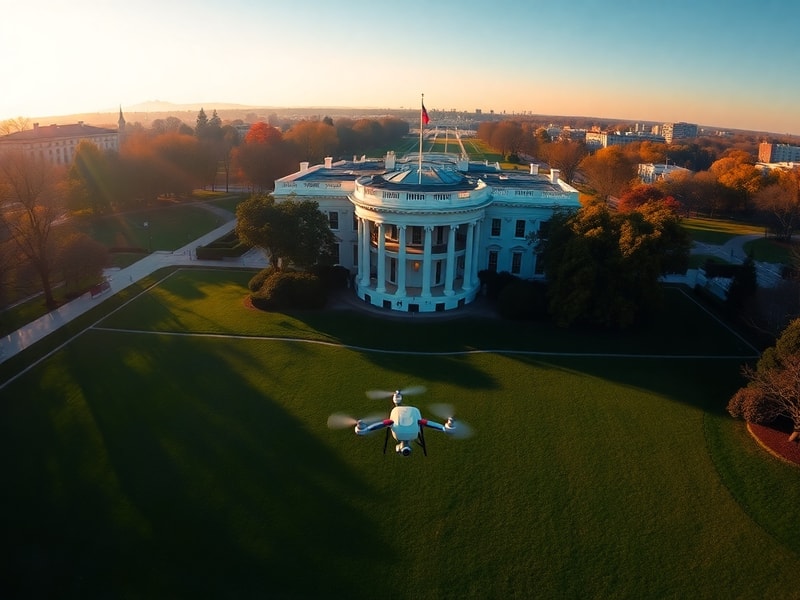
The South Lawn of the White House serves as more than just a stretch of grass—it is a stage for American democracy, a venue for historic moments, and a carefully curated landscape that balances security with public access. Unlike the more private North Lawn, which primarily hosts official arrivals and departures, the South Lawn is designed for public events, ceremonies, and national celebrations. Its layout and features reflect both its symbolic importance and its practical role in American civic life.
The Design and Symbolism of the South Lawn
The South Lawn was not part of the original 1800 design by James Hoban, who envisioned a more symmetrical arrangement for the White House. It was only in the mid-19th century that the area began to take shape as we recognize it today. The lawn was expanded and landscaped during the administration of President Franklin Pierce, who sought to create a more open and inviting space. Today, the South Lawn is framed by the South Portico—a grand entrance added in 1824—and the White House colonnade, which connects the residence to the East and West Wings.
The design of the South Lawn is deliberate. Its gently sloping terrain and open expanse allow for large gatherings, from the annual Easter Egg Roll to military welcome ceremonies. The layout also incorporates mature trees, including magnolias planted by President Andrew Jackson, which add to the lawn’s historic ambiance. These elements combine to create a space that feels both grand and accessible—a rare quality in a building as symbolically weighty as the White House.
Key Features of the South Lawn
- South Portico: The grand entrance added in 1824, featuring six Corinthian columns and a pediment. It is often used for major announcements and speeches.
- Colonnade: A covered walkway connecting the residence to the East and West Wings, designed by President Thomas Jefferson to shield visitors from inclement weather.
- Magnolia Trees: Two historic Southern magnolias, known as the “Jackson Magnolias,” were planted by President Andrew Jackson in the 1830s and remain standing today.
- Rose Garden: Located adjacent to the South Lawn, the Rose Garden is a ceremonial space used for press briefings, meetings, and small gatherings.
Historic Moments on the South Lawn
The South Lawn has been the backdrop for some of the most iconic moments in American history. These events are not merely ceremonial; they often carry deep symbolic weight, reinforcing the ideals of democracy, unity, and leadership. From wartime addresses to cultural milestones, the South Lawn has witnessed it all.
One of the most memorable events took place on November 9, 2016, when then-President-elect Donald Trump addressed the nation from the South Portico following his election victory. The scene—Trump standing before the White House with his family—symbolized the peaceful transfer of power, a cornerstone of American democracy. Similarly, the South Lawn has hosted moments of national mourning, such as the arrival of President George H.W. Bush’s casket in 2018, where dignitaries and the public paid their respects.
Cultural milestones have also unfolded on the South Lawn. In 1961, President John F. Kennedy and First Lady Jacqueline Kennedy hosted a groundbreaking concert featuring the great cellist Pablo Casals. The performance was broadcast to millions, showcasing the White House as a platform for the arts. More recently, the lawn has become a stage for music, with artists like Beyoncé and Bruno Mars performing for military families and the public.
Notable Events on the South Lawn
- 1961: President John F. Kennedy hosts a concert featuring Pablo Casals, marking a cultural milestone.
- 1981: The South Lawn hosts the first-ever White House Easter Egg Roll open to the public.
- 2009: President Barack Obama and First Lady Michelle Obama host the first White House music concert, featuring artists like Mary J. Blige and will.i.am.
- 2016: President-elect Donald Trump delivers his victory speech from the South Portico.
- 2020: The South Lawn becomes a site for the “Hamilton” cast performance, honoring frontline workers during the COVID-19 pandemic.
The South Lawn as a Venue for Public Engagement
While the South Lawn is often associated with high-profile events, it also plays a crucial role in public engagement. The annual Easter Egg Roll, a tradition dating back to 1878, attracts thousands of families to the lawn each year. The event includes egg rolls, storytelling, and performances, making the White House accessible to children and families across the country. Similarly, the White House Christmas Tree lighting ceremony and the Passover Seder hosted by the Obamas have used the South Lawn to bring Americans together in celebration and reflection.
The South Lawn’s role in public engagement extends beyond holidays. During the summer months, the White House often hosts outdoor screenings of films, concerts, and even yoga classes. These events are designed to foster a sense of connection between the presidency and the American people. However, the balance between openness and security is delicate. The South Lawn is a secure area, and access is tightly controlled, particularly during events involving high-ranking officials or dignitaries.
Public Events Hosted on the South Lawn
- Easter Egg Roll: A tradition dating back to 1878, featuring egg rolls, live music, and storytelling for children.
- White House Christmas Tree Lighting: A ceremony marking the start of the holiday season, attended by thousands.
- Military Welcome Ceremonies: Honoring troops returning from deployment or visiting foreign dignitaries.
- Outdoor Concerts and Screenings: Featuring artists like the Foo Fighters and films like “Top Gun: Maverick” for military families.
Challenges and Controversies
The South Lawn is not without its challenges. The most pressing issue is balancing public access with security. After the September 11 attacks, security measures around the White House were significantly tightened. The South Lawn, once a more open space, now requires strict screening for anyone entering during events. This has led to criticism that the lawn, once a symbol of openness, has become increasingly inaccessible to the public.
Another controversy arose in 2020 when the Trump administration used the South Lawn for a controversial photo opportunity with then-President Donald Trump holding a Bible outside St. John’s Episcopal Church. The event followed the clearing of peaceful protesters from Lafayette Square, sparking accusations that the lawn was being used for political purposes. The incident raised questions about the appropriateness of using the South Lawn for partisan displays.
Despite these challenges, the South Lawn remains a powerful symbol of American democracy. Its ability to adapt to changing times while preserving its historic significance is a testament to its enduring importance. Whether hosting a celebration, a memorial, or a moment of national reflection, the South Lawn continues to play a vital role in the life of the White House and the nation.
Security and Accessibility Issues
Security concerns have led to several changes in how the South Lawn is used. For example, the annual Easter Egg Roll, once open to the public with minimal restrictions, now requires advance registration and security screening. The White House fence, which once stood at a discreet distance from the lawn, has been moved closer, reducing the open space available for gatherings.
These changes reflect broader tensions between openness and security in the modern presidency. While the South Lawn remains a place for public engagement, its accessibility is increasingly limited by the realities of the 21st century. However, efforts to balance these concerns—such as hosting virtual events or live streams—have allowed the White House to maintain a connection with the public.
Conclusion
The South Lawn of the White House is more than just a patch of grass—it is a living symbol of American democracy, a stage for historic moments, and a space for public engagement. Its design, features, and events reflect the ideals and challenges of the presidency, from its early days to the present. While security concerns and controversies have shaped its use, the South Lawn remains a powerful reminder of the connection between the White House and the American people.
As the nation continues to evolve, so too will the role of the South Lawn. Whether through traditional ceremonies, cultural milestones, or moments of national reflection, it will remain a vital part of the White House’s identity. For those who visit or watch from afar, the South Lawn stands as a testament to the enduring power of democracy and the importance of public engagement in leadership.
For more insights into the history and culture of the White House, explore our Politics and History category pages on Dave’s Locker.