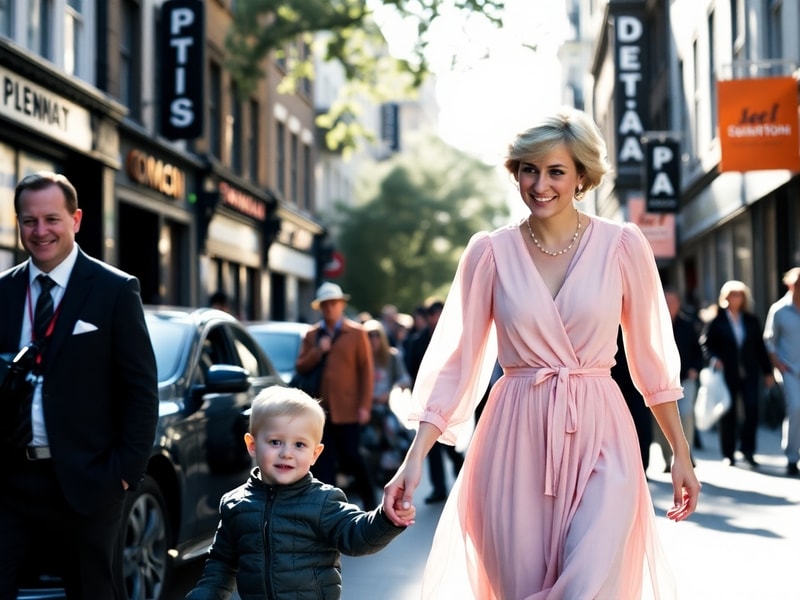
Diana, Princess of Wales: The Icon Who Changed the Monarchy Forever
“`html
Diana’s Early Life and the Making of a Princess
Born Diana Frances Spencer on July 1, 1961, in Sandringham, England, Diana grew up in a family with deep ties to the British aristocracy. Her lineage traced back to King Charles II, and her upbringing in Park House—an estate owned by Queen Elizabeth II’s family—immersed her in royal circles from childhood. Despite this privileged background, Diana’s early years were marked by personal challenges, including her parents’ divorce when she was eight years old. These experiences shaped her into a compassionate and resilient individual, qualities that would later define her public persona.
The turning point in Diana’s life came in 1980 when she was introduced to Prince Charles, the heir to the British throne. Their courtship captivated the media, culminating in a globally televised wedding on July 29, 1981. The ceremony, watched by an estimated 750 million people worldwide, transformed Diana from a shy nursery teacher into the world’s most photographed woman overnight. Yet, beneath the glamour, she faced the rigid expectations of royal life, which often clashed with her desire for authenticity.
A New Kind of Royal: Diana’s Humanitarian Legacy
Diana’s impact extended far beyond her royal duties. She redefined the role of a princess by prioritizing humanitarian work over traditional ceremonial obligations. In an era when royal figures were expected to remain discreet, Diana embraced visibility as a tool for change. Her campaigns against landmines, her work with HIV/AIDS patients, and her advocacy for mental health awareness broke conventions and brought global attention to marginalized communities.
One of her most iconic moments came in 1987 when she shook hands with an AIDS patient without wearing gloves, challenging the stigma that the disease was spread by touch. Her visit to Angola in 1997, where she walked through a minefield to highlight the dangers of landmines, further cemented her legacy as a fearless advocate. These acts of courage earned her the nickname “the people’s princess,” a title that reflected her connection with ordinary citizens across the globe.
Diana’s humanitarian efforts were not without controversy. Critics argued that her involvement in political issues overstepped royal boundaries. Yet, her ability to humanize the monarchy and inspire collective action remains unparalleled. Her legacy persists in organizations like the Mental Health Foundation and the HALO Trust, which continue to benefit from her advocacy.
Key Causes Diana Championed
- HIV/AIDS Awareness: She challenged misconceptions by touching patients without gloves and visiting hospices.
- Landmine Eradication: Her work with the HALO Trust led to international support for the Ottawa Treaty.
- Homelessness: She visited shelters and used her platform to raise awareness about poverty in Britain.
- Mental Health: Diana spoke openly about her own struggles, helping to destigmatize conditions like depression and bulimia.
The Media’s Obsession and Diana’s Personal Struggles
Diana’s life was scrutinized like no other royal before her. The paparazzi’s relentless pursuit of her—both in public and private moments—became a defining aspect of her existence. While the media initially celebrated her as a fairy-tale princess, their focus soon shifted to her marital troubles. The breakdown of her marriage to Prince Charles, widely publicized in 1992, exposed the fractures in their relationship and intensified media scrutiny.
Diana’s 1995 interview with Martin Bashir for the BBC remains one of the most watched and debated moments in royal history. In it, she candidly discussed her struggles with bulimia, depression, and the pressures of royal life. The interview, watched by millions, humanized her in ways that tabloid headlines never could. Yet, it also fueled the media’s obsession with her personal life, creating a cycle of fascination and intrusion that ultimately contributed to her tragic death.
Diana’s Enduring Influence on Modern Royalty
Diana’s death on August 31, 1997, in a Paris car crash while being pursued by paparazzi shocked the world. The outpouring of grief that followed was unprecedented, with millions of people lining the streets to pay their respects. Her funeral, broadcast globally, became a defining moment in modern history, watched by an estimated 2.5 billion people. The ceremony, attended by world leaders and dignitaries, underscored her global significance.
In the years since her death, Diana’s legacy has continued to shape the British monarchy. Her sons, Prince William and Prince Harry, have carried forward her humanitarian values, founding their own charitable organizations. William’s work with Heads Together, a mental health initiative, and Harry’s advocacy for veterans and environmental causes reflect their mother’s enduring influence.
Diana’s life also set a precedent for royal figures engaging with the public on social issues. Today, royals like Princess Kate Middleton and Meghan Markle have followed her example, using their platforms to address topics like homelessness and gender equality. While the monarchy has evolved, Diana’s spirit remains a touchstone for how modern royalty can connect with the world.
The Cultural Impact of Diana, Princess of Wales
Beyond her humanitarian work, Diana’s influence extended to fashion, media, and popular culture. She became a style icon, known for her elegant yet accessible wardrobe. Designers like Versace and Dior sought her patronage, while her “revenge dress”—worn the night Prince Charles admitted to infidelity—became a symbol of her defiance and resilience.
Diana’s life also inspired countless books, films, and documentaries, including the 2017 biopic Diana: Her Story and the 2019 Netflix series The Crown, which dedicated an entire season to her life and legacy. These portrayals have kept her story alive in the public imagination, ensuring that new generations learn about her impact.
Conclusion: Why Diana’s Legacy Still Matters
Diana, Princess of Wales, was more than a royal figurehead. She was a symbol of compassion, courage, and authenticity in an era when such qualities were often overshadowed by tradition. Her work with marginalized communities, her defiance of media intrusion, and her ability to connect with people on a personal level set her apart. While her life was tragically cut short, her legacy endures in the causes she championed and the royals who continue her work.
Diana’s story reminds us that true influence comes from using one’s platform for good. In an age where public figures are often reduced to soundbites and scandals, her life serves as a powerful example of how compassion and authenticity can change the world. As we reflect on her legacy, it is clear that Diana’s impact will continue to resonate for generations to come.