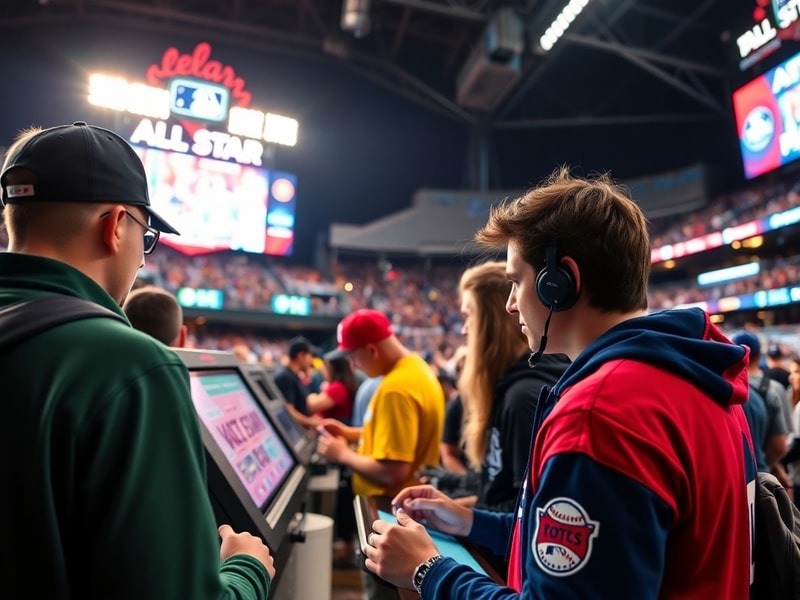
The MLB All-Star Game isn’t just a midseason exhibition—it’s a celebration of baseball’s brightest stars, chosen through a process that blends fan passion with statistical performance. Voting for the Midsummer Classic has evolved significantly since its inception in 1933, transforming from a simple ballot box system into a digital, data-driven spectacle that engages millions of fans worldwide. This year’s voting cycle once again highlights how fan engagement has become a driving force in determining which players wear the iconic All-Star uniforms.
The stakes are high. Securing an All-Star selection boosts a player’s visibility, marketability, and legacy. For franchises, it’s an opportunity to showcase talent and energize fan bases. But the process isn’t without controversy. Fans don’t always vote based on merit alone. Strategic campaigns, social media influence, and even regional loyalties can sway results. As the league prepares for another All-Star Weekend, it’s worth examining how voting works, why it matters, and what it reveals about modern baseball culture.
The Mechanics of All-Star Voting: From Paper to Pixels
MLB’s All-Star voting system has undergone dramatic changes over the decades. In the early years, ballots were printed in newspapers and fans mailed them in. By the 1970s, electronic voting systems were introduced in stadiums, and by the late 1990s, MLB launched its first official online voting platform. Today, fans can vote multiple times through MLB’s website and partner platforms, including social media integrations and even voice assistants.
Voting is divided into two phases. First, fans select the starters for each position through a weighted ballot that prioritizes their choices. Then, the league’s office tallies the results and announces the top vote-getters. The remaining roster spots are filled by the All-Star managers, players, and a final selection by the commissioner’s office. This hybrid approach attempts to balance fan enthusiasm with performance metrics.
However, the system isn’t perfect. Critics argue that frequent voting opportunities can lead to ballot stuffing, where fans or teams manipulate the process through organized campaigns. Others point out that certain positions—especially those with less glamorous roles like catcher or utility infielder—often get overlooked unless they have high statistical profiles or compelling narratives.
Key Features of the Modern All-Star Voting Process
- Multi-platform access: Fans can vote via MLB.com, the official MLB app, social media platforms, and even at ballparks using kiosks.
- Weighted voting: Each ballot allows fans to select up to nine players, with the first choice receiving more weight than the ninth.
- Expanded rosters: Since 2020, the All-Star Game includes 32–34 players per league, up from the traditional 30, allowing more representation from smaller markets and emerging talent.
- Tiebreakers and final selections: When vote totals are close, MLB uses a tiebreaker system that considers performance metrics like WAR (Wins Above Replacement) and on-field statistics.
This structure ensures a mix of fan favorites and statistically deserving players, though it still leaves room for debate. For example, in 2023, a reliever from a non-contending team nearly edged out a starting shortstop from a division-leading club based on fan passion alone. The league intervened to maintain competitive balance, sparking renewed discussion about how to fairly weight fan passion against objective performance.
Why All-Star Voting Matters Beyond the Game
The All-Star voting process is more than a popularity contest—it’s a reflection of baseball’s cultural and economic landscape. Player selections influence everything from jersey sales and endorsement deals to Hall of Fame discussions decades later. A strong All-Star showing can redefine a player’s career, turning a solid performer into a household name.
For teams, All-Star recognition serves as a powerful marketing tool. Cities hosting the All-Star Game often see spikes in tourism, local business revenue, and youth participation in baseball programs. The league itself benefits from increased viewership and sponsorship opportunities during the All-Star Weekend festivities, which include the Home Run Derby, celebrity softball games, and fan festivals.
On a broader level, All-Star voting highlights baseball’s unique connection to its fans. Unlike in the NFL or NBA, where star power often dominates fan ballots, MLB’s voting process gives underdogs a chance to shine. A journeyman utility player or a rookie sensation can leapfrog established veterans through sheer fan devotion. This accessibility is part of what makes baseball’s All-Star Game feel personal—it’s not just about the superstars, but about celebrating the game at all levels.
The Controversies and Challenges of Fan-Driven Selection
Despite its strengths, the fan-driven voting system has faced persistent criticism. One of the most common complaints is the “write-in phenomenon,” where players with minimal on-field credentials gain traction through social media campaigns or regional pride. In 2015, Kansas City Royals’ fan favorite Salvador Perez led all vote-getters at catcher despite being a below-average hitter that season. His selection was seen as a nod to his leadership and fan appeal rather than his offensive output.
Another issue is the geographic skew. Players from large-market teams or historically successful franchises often receive disproportionate support. This can marginalize players from smaller markets or international leagues, even if they have superior statistics. In response, MLB has experimented with rule changes, such as adding a “Final Vote” component that allows fans to choose between five deserving candidates, often from overlooked teams.
There’s also the matter of integrity. In 2018, MLB suspended a voter for sending in 14,000 fraudulent ballots from a single IP address. The league has since implemented stricter monitoring and required email verification to prevent ballot stuffing. Still, concerns persist about whether the process can ever be fully transparent.
Ongoing Reforms and Future Directions
MLB continues to refine the All-Star voting process. Recent discussions have included:
- Incorporating advanced metrics: While fans still drive the initial vote, there’s growing support for giving more weight to metrics like WAR, OPS+, and defensive runs saved in final roster decisions.
- Limiting multiple votes: Some advocate for restricting fans to a single vote per account to reduce ballot stuffing while still allowing high engagement.
- Expanding international voting: With baseball’s growing global footprint, MLB is exploring ways to better integrate international fan voices, especially in markets like Japan, South Korea, and Latin America.
- Including minor league players: A radical but intriguing idea is to allow fans to vote for top prospects in the minors, giving rising stars early All-Star exposure.
These changes aim to preserve the magic of fan-driven voting while addressing its flaws. The goal isn’t to eliminate passion but to channel it more equitably.
What This Year’s Voting Reveals About Baseball’s Future
This season’s All-Star voting cycle reflects broader trends in sports fandom. Social media has amplified player visibility, with viral moments and highlight reels driving fan interest. Players like Shohei Ohtani and Aaron Judge have become global icons, their All-Star campaigns fueled by both performance and persona. Meanwhile, younger, analytics-savvy fans are pushing for greater transparency in how players are selected, demanding that the league justify its decisions with data as well as drama.
The All-Star Game itself has also evolved into a spectacle that blends tradition with innovation. The Home Run Derby now features robot pitching machines and fantasy-style drafts, while the game’s format includes rule changes aimed at speeding up play and increasing excitement. These tweaks reflect a league that’s trying to stay relevant in an era of shorter attention spans and competing entertainment options.
Yet, at its core, the All-Star Game remains a celebration of the fans. It’s a moment when the entire baseball community—players, teams, and spectators—comes together to honor the game’s past, present, and future. Whether through a Hall of Famer’s final appearance or a rookie’s first taste of All-Star glory, the voting process ensures that every fan has a voice in shaping this iconic event.
As MLB looks to the future, the challenge will be balancing that fan connection with the growing demands for fairness and transparency. The All-Star Game isn’t just about who deserves to be there—it’s about who the fans believe deserves to be there. And in baseball, that distinction still matters.
Conclusion
MLB’s All-Star voting process is a microcosm of the sport itself: passionate, imperfect, and constantly evolving. It gives fans a direct role in the game’s biggest showcase, forging a deeper connection between players and audiences. While the system has flaws—from ballot stuffing to geographic biases—it also fosters inclusivity, allowing underdogs to rise and small-market players to shine.
As baseball continues to adapt to new technologies and cultural shifts, the All-Star Game will likely undergo further changes. But one thing is certain: the heart of the process will always be the fans. Their votes, their voices, and their devotion shape the Midsummer Classic in ways that no statistic or algorithm ever could. In that sense, the All-Star Game isn’t just a game. It’s a tradition—and a testament to the enduring power of baseball’s connection to its fans.
Explore more sports coverage on Dave’s Locker for in-depth analysis, player profiles, and league updates.
Read expert analysis on Dave’s Locker to dive deeper into the trends shaping modern baseball.