For over four decades, Peabo Bryson has been a cornerstone of American soul, R&B, and pop music. His velvety tenor and impeccable phrasing have left an indelible mark on the musical landscape. From his early days as a teenager winning talent shows to his Grammy-winning duets with legends like Roberta Flack, Bryson’s career is a testament to versatility and timeless artistry.
The Early Years: A Star is Born
Born Robert Peabo Bryson on April 13, 1951, in Greenville, South Carolina, his musical journey began at an early age. By the time he was 14, he was performing in local clubs and talent shows, honing a style that blended gospel, jazz, and R&B. His breakout moment arrived in 1970 when he won a local talent contest, earning him a recording contract with Atlanta-based label, Bourbon Street Records.
His debut album, Peabo, released in 1976, introduced audiences to his distinctive sound. Tracks like Feel the Fire and I’m So Into You showcased his ability to merge soulful intensity with pop sensibilities. Critics took notice, but it was his 1978 collaboration with Roberta Flack, Tonight, I Celebrate My Love, that catapulted him into the mainstream. The song became a massive hit, reaching No. 2 on the Billboard Hot 100 and cementing Bryson’s reputation as a formidable vocalist.
The Art of Collaboration: Duets That Transcended Genres
Bryson’s knack for collaboration set him apart in an era dominated by solo acts. His chemistry with Roberta Flack was undeniable, producing not only Tonight, I Celebrate My Love but also the Oscar-winning ballad The Last Time I Felt Like This from the 1980 film Same Time, Next Year.
Beyond Flack, Bryson lent his voice to some of the most iconic duets of the 1980s and 1990s. His work with Celine Dion on Beauty and the Beast (1991) earned him a Grammy Award for Best Pop Performance by a Duo or Group with Vocal. The song, from Disney’s animated classic, became a cultural touchstone, proving Bryson’s ability to bridge pop and Broadway styles.
- Roberta Flack collaborations: Tonight, I Celebrate My Love, The Last Time I Felt Like This
- Disney legend status: Beauty and the Beast with Celine Dion, A Whole New World with Regina Belle
- Broadway crossover: The Prince of Egypt soundtrack, Chicago revival performances
- Pop-R&B fusion: If Ever You’re in My Arms Again, Can You Stop the Rain
The Sound of a Generation: Musical Style and Legacy
Bryson’s voice is instantly recognizable—a rich, warm baritone with a smooth, almost velvety texture. Unlike many of his contemporaries who leaned heavily into funk or disco, Bryson maintained a classic soul sensibility, drawing from Sam Cooke, Donny Hathaway, and Nat King Cole. His phrasing was deliberate, each note delivered with precision and emotional depth.
This approach allowed him to navigate multiple genres seamlessly. Whether performing a heartfelt ballad like Light the World or a mid-tempo groove like We’re Still Family, Bryson’s versatility was unmatched. His 1990s work, including the Grammy-nominated Can You Stop the Rain, demonstrated his ability to stay relevant while staying true to his roots.
The broader implications of Bryson’s career extend beyond his chart success. He represents a bridge between the golden era of soul and the polished pop of the 1980s and 1990s. In an industry often obsessed with fleeting trends, Bryson’s longevity is a reminder of the enduring power of authenticity. His influence can be heard in artists like John Legend, who has cited Bryson as a key inspiration in blending soulful vocals with contemporary production.
The Man Behind the Music: Personal Life and Philanthropy
Despite his public success, Bryson has maintained a relatively private personal life. Married to his wife, Tawatha Agee (a vocalist best known for her work with the band Mtume), the couple has kept their family life out of the spotlight. Bryson’s commitment to community service, however, has been well-documented. He has performed at countless charity events, including benefits for education and children’s hospitals.
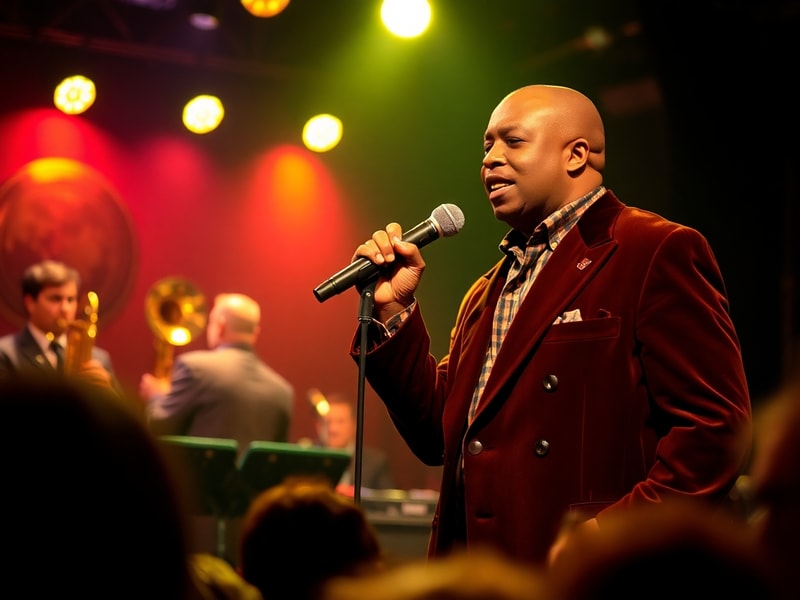
In recent years, Bryson has continued to perform, though he has slowed his recording output. His live shows remain a testament to his enduring vocal prowess, drawing crowds who appreciate both his classic hits and his lesser-known gems. In 2021, he was inducted into the South Carolina Music Hall of Fame, a fitting honor for a man who has given so much to the world of music.
Looking back, Peabo Bryson’s career is more than just a collection of hit songs. It’s a blueprint for how to evolve without losing one’s identity. In an era where artists often chase trends, Bryson’s discography stands as a reminder that substance and sincerity will always resonate.
The Future of His Legacy
As streaming platforms reintroduce classic artists to new generations, Bryson’s catalog has found a second life. His duets with Flack and Dion are frequently featured in playlists, while his solo work is being rediscovered by younger audiences. The 2020s have seen a resurgence of interest in 1980s and 1990s R&B, and Bryson’s music is perfectly positioned to thrive in this renewed appreciation for vintage soul.
For aspiring musicians, Bryson’s career offers invaluable lessons. His ability to collaborate without overshadowing his partners, his commitment to musical integrity, and his adaptability across genres are qualities that transcend time. As the music industry continues to evolve, Peabo Bryson remains a touchstone—a reminder of what it means to create art that endures.
Explore more about classic R&B and soul music on Dave’s Locker Music.
Discover other legendary voices in the Entertainment section.