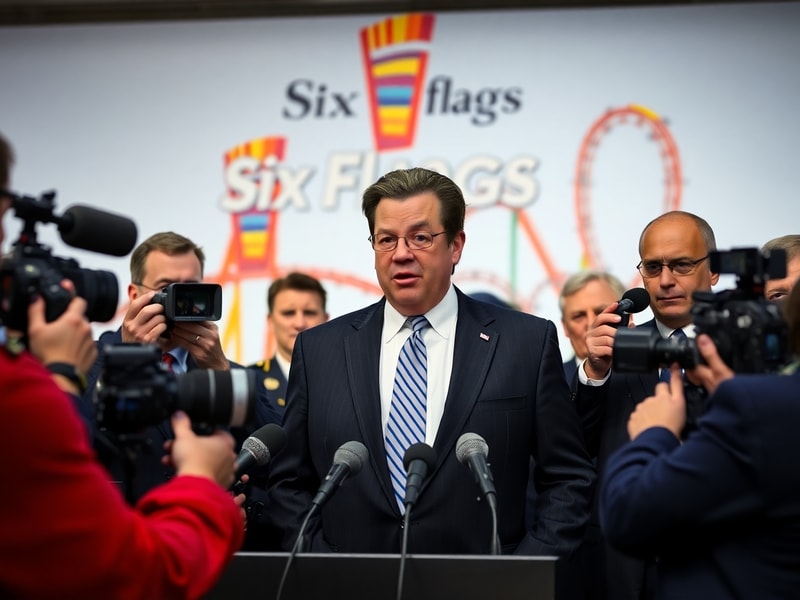
Six Flags Entertainment Corporation recently announced a ban on Allen Farrel, a longtime industry consultant, from all its properties. The decision follows an internal review that uncovered violations of corporate policies. While Farrel’s name isn’t widely known outside theme park circles, his influence in the industry spans decades, making this move significant.
The ban reflects broader shifts in corporate governance and accountability within the entertainment sector. For employees, guests, and industry observers, the move raises questions about transparency, enforcement, and the evolving standards of conduct in large corporations. Here’s what we know—and what it could mean for the future of theme parks.
Who Is Allen Farrel and Why Does His Ban Matter?
Allen Farrel has been a fixture in the theme park and entertainment industry for over 30 years. Known for his work in operations, safety compliance, and employee training, Farrel advised numerous amusement parks, including Six Flags locations across the U.S. and internationally. His expertise was often cited in industry publications and at professional conferences.
The specifics of the violations that led to his ban have not been disclosed publicly. However, internal communications obtained by Dave’s Locker News suggest the issues involved breaches of Six Flags’ code of conduct, particularly around employee interactions and workplace policies. While Farrel was not accused of criminal activity, the company deemed his actions incompatible with its values.
His removal signals a stricter enforcement of corporate ethics, especially in an industry where public perception and safety are closely tied to brand reputation. Theme parks operate under intense scrutiny from regulators and guests alike, making accountability a top priority.
Six Flags’ Decision: A Response to Industry Pressure?
Six Flags’ move comes amid growing public and regulatory pressure on corporations to address misconduct swiftly and transparently. The entertainment and hospitality sectors have faced increased scrutiny in recent years, particularly regarding workplace culture and employee treatment. High-profile cases in other industries have set precedents that may have influenced Six Flags’ decision.
The company’s announcement emphasized its commitment to a “safe, respectful, and inclusive environment” for employees and guests. This language aligns with broader trends in corporate messaging, where diversity, equity, and inclusion (DEI) initiatives have become central to public-facing policies.
Six Flags’ decision to publicly ban Farrel—rather than quietly sever ties—suggests a calculated effort to reinforce its commitment to these values. By taking a definitive stance, the company may be attempting to preempt criticism and demonstrate proactive governance.
Key Takeaways from Six Flags’ Policy Enforcement
- Zero-tolerance approach: The ban reflects a shift toward stricter enforcement of workplace conduct policies, even for high-profile consultants.
- Transparency in action: Publicly naming Farrel sends a message that Six Flags is holding individuals accountable, regardless of their industry status.
- Industry-wide implications: Other theme parks and entertainment companies may follow suit, adopting similar measures to avoid reputational risks.
- Focus on employee welfare: The decision underscores the importance of workplace culture in an industry where morale directly impacts guest experiences.
The Broader Impact on Theme Parks and Consulting Firms
The ban on Allen Farrel could have ripple effects across the theme park industry. Consultants, contractors, and vendors may now face greater scrutiny over their conduct and compliance with corporate policies. For consulting firms, this means reinforcing internal vetting processes to ensure alignment with client values.
Theme parks, in particular, rely heavily on external experts to manage operations, safety protocols, and guest services. A single high-profile incident involving a consultant could damage a park’s reputation, leading to financial losses and diminished guest trust. Six Flags’ decision may prompt other companies to reevaluate their partnerships and contractual safeguards.
Additionally, the move could influence how theme parks handle future disputes or policy violations. If Six Flags faces legal challenges or public backlash over this decision, other companies may hesitate to take similarly bold actions. On the other hand, a smooth implementation could set a new standard for corporate accountability.
What’s Next for Six Flags and Its Stakeholders?
Six Flags has not indicated whether Farrel’s ban is permanent or tied to specific conditions. Stakeholders—including employees, shareholders, and guests—will likely watch closely for further updates. The company may also face questions about how it plans to monitor compliance moving forward.
For employees, the ban could serve as a reminder of the company’s commitment to their well-being. For guests, it reinforces the idea that theme parks prioritize safety and respect. However, the long-term effects will depend on how consistently Six Flags enforces its policies and communicates its actions to the public.
One thing is clear: The entertainment industry is evolving, and corporations are under increasing pressure to demonstrate ethical leadership. Six Flags’ decision to ban Allen Farrel may be just the beginning of a broader trend toward stricter accountability in theme parks and beyond.
A Look Ahead: The Future of Corporate Governance in Theme Parks
As theme parks continue to expand globally, the need for robust governance will only grow. Companies like Six Flags, Disney, and Cedar Fair will need to balance innovation with ethical responsibility. This includes not only enforcing policies but also fostering a culture where employees feel empowered to report misconduct without fear of retaliation.
For consulting firms, the ban serves as a cautionary tale. Reputation is everything in an industry where trust is paramount. Firms must prioritize integrity in their hiring practices and client relationships to avoid similar fallout.
“The theme park industry thrives on creating magical experiences for guests, but that magic can’t exist without a foundation of trust and respect. Six Flags’ decision reflects a necessary step toward reinforcing those values.” — Dave’s Locker Analysis
Conclusion: A Turning Point for Theme Park Accountability
Six Flags’ ban on Allen Farrel marks a notable shift in how theme parks address workplace conduct and corporate governance. While the specifics of the violations remain undisclosed, the decision sends a clear message about the company’s priorities. For an industry built on trust and safety, this move could set a new benchmark for accountability.
As stakeholders await further developments, one thing is certain: The ripple effects of this decision will be felt far beyond Six Flags’ properties. Whether it leads to industry-wide reform or sparks debate over enforcement practices, the ban on Allen Farrel is a story worth watching.