London’s transport network is one of the most complex urban systems in the world, serving over 2 billion passengers annually. At its core is Transport for London (TfL), the public authority responsible for managing the city’s buses, Underground, trams, DLR, and most of its cycling infrastructure. For visitors and locals alike, TfL status isn’t just a technical detail—it’s a daily reality that shapes how people move through one of the world’s most dynamic cities.
The system’s reputation for efficiency and scale is matched by its challenges: aging infrastructure, funding pressures, and the post-pandemic shift in commuting patterns. Understanding TfL status means recognizing not just the operational updates but the broader context of urban mobility in a global city where public transport is not a luxury, but a necessity.
How TfL Status Works: Real-Time, Real Impact
TfL status refers to the real-time operational condition of the transport network. This includes service disruptions, delays, planned engineering works, and accessibility changes. Unlike static schedules, TfL status is dynamic—updated every few minutes through a combination of automated sensors, staff reports, and predictive analytics.
The system relies on several data sources:
- Automatic Vehicle Location (AVL): GPS and signaling systems track trains and buses in real time.
- Customer feedback: Reports from apps, social media, and hotlines feed into status updates.
- Predictive modeling: AI forecasts congestion and suggests alternate routes before problems escalate.
- Third-party integrations: Platforms like Citymapper and Google Maps pull TfL data to power their own journey planners.
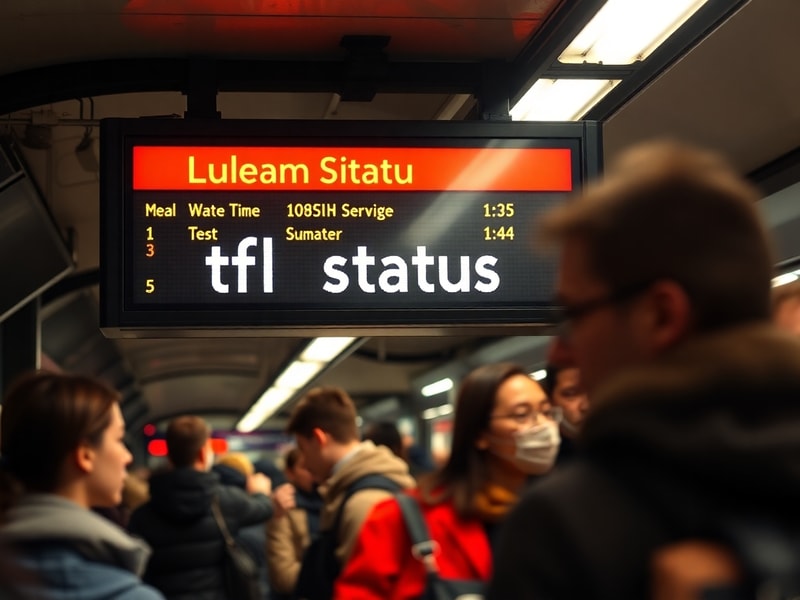
This data is then displayed across multiple channels—from the iconic TfL status boards in stations to the official website and mobile app. The transparency is intentional. In a city where millions of people make multiple journeys daily, even minor disruptions can have cascading effects. A signal failure on the Piccadilly line, for example, can ripple across the network, delaying connections on the Victoria or Central lines.
The Global Context: Public Transport as Urban Lifeline
London’s approach to TfL status reflects a broader global trend: cities are prioritizing real-time public transport data as essential infrastructure. In Tokyo, the JR East app provides hyper-local train status updates with crowding predictions. In Berlin, BVG’s app integrates bike-sharing and e-scooter availability. In New York, the MTA’s Subway Time tool offers countdown-style predictions for every line.
Across these cities, the goal is the same: reduce uncertainty and encourage ridership. Public transport is not just about moving people—it’s about reducing carbon emissions, alleviating road congestion, and supporting equitable access to opportunity. But this vision depends on trust. When TfL status is unreliable, riders may opt for private vehicles, worsening pollution and inequality.
In emerging economies, the stakes are even higher. Cities like Bogotá and Jakarta are rapidly expanding metro systems, but lack the data sophistication of London. TfL’s open-data policy—where real-time feeds are freely available to developers—has become a model for transparency. It shows how public agencies can collaborate with the tech sector to improve urban life.
Challenges and Criticisms: Why TfL Status Isn’t Perfect
Despite its sophistication, TfL status faces persistent challenges. One major issue is over-reliance on digital tools. While 90% of Londoners own smartphones, not everyone can access real-time updates. Elderly residents, low-income commuters, and tourists often rely on static timetables or word-of-mouth information—leaving them vulnerable to last-minute changes.
Another concern is communication. During major disruptions—such as the 2023 strike over pay disputes—TfL status updates were criticized for being slow, inconsistent, or overly technical. Passengers reported confusion over alternative routes, leading to overcrowding on buses and the Underground’s less affected lines.
There’s also the issue of “ghost delays”—situations where a train is delayed by just a few minutes, but the status board shows a full-blown disruption. These minor inaccuracies can distort expectations and lead to unnecessary overcrowding at stations.
Finally, funding remains a chronic problem. TfL’s budget relies heavily on fares, advertising, and government grants. Post-pandemic ridership has not fully recovered, and inflation has increased operating costs. Without sustainable funding, TfL may struggle to maintain the high-tech systems that power its status updates.
Looking Ahead: The Future of TfL Status and Smart Cities
The future of TfL status lies in integration. The next generation of systems will likely blend real-time data with predictive tools, using machine learning to anticipate disruptions before they happen. Imagine a TfL app that not only tells you a train is delayed but also suggests the fastest alternative route based on live foot traffic, weather, and historical patterns.
There’s also growing interest in multimodal integration. Future TfL status could include real-time updates for Santander Cycles, river buses, and even e-scooter zones—creating a truly unified mobility network. This aligns with London’s goal of becoming a “20-minute city,” where essential services are accessible within a short walk or ride.
For the tech industry, TfL’s open data has spawned a thriving ecosystem of apps and services. Developers are building tools that help people with disabilities navigate stations, while others focus on accessibility for neurodivergent travelers. These innovations show how public data can drive social impact.
Yet, technology alone won’t solve London’s transport challenges. As the city grows—projected to reach 10 million residents by 2030—infrastructure upgrades must keep pace. Crossrail (Elizabeth line), despite delays, promises to redistribute passenger flows and reduce congestion on older lines. Meanwhile, night Tube services and expanded bus lanes reflect a city that never sleeps.
TfL status is more than a digital dashboard. It’s a window into how a global city manages complexity, balances innovation with equity, and adapts to constant change. For travelers and residents, understanding it isn’t just practical—it’s a civic responsibility.
Whether you’re a tourist navigating the Tube for the first time or a daily commuter checking the app before leaving home, TfL status is a reminder: in a city of 8.8 million voices, mobility is how we all stay connected.