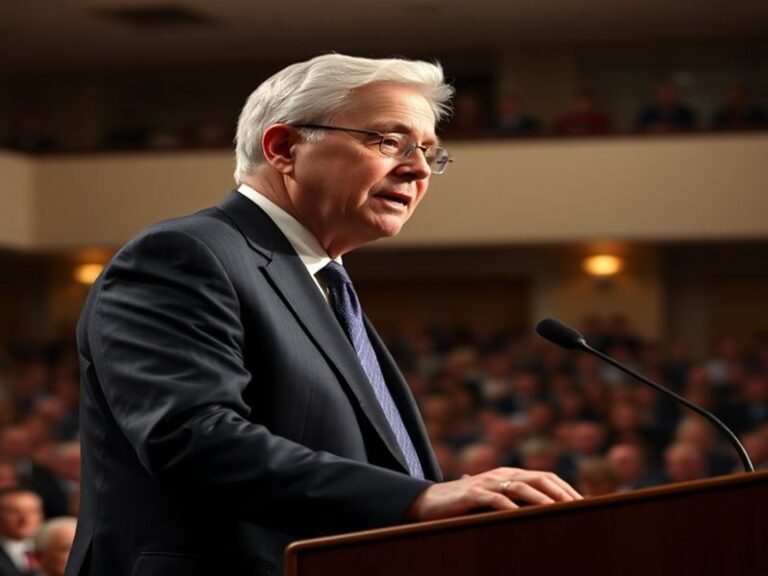
disclosure
“`html
Understanding Disclosure: Why Transparency Matters in Business and Media
Disclosure isn’t just a buzzword—it’s a foundational principle that shapes trust, accountability, and credibility in business, media, and public life. Whether it’s financial reporting, influencer marketing, or corporate governance, disclosure ensures that information reaches the right audiences at the right time. Without it, misinformation spreads, conflicts of interest fester, and public trust erodes. This article explores the significance of disclosure across different sectors, its legal underpinnings, and how it influences decision-making in an increasingly complex world.
The Legal and Ethical Foundations of Disclosure
Disclosure requirements are deeply embedded in legal and ethical frameworks because they protect stakeholders from harm. In corporate law, for instance, public companies must disclose financial performance, risks, and governance practices to investors under regulations like the Securities and Exchange Commission (SEC) rules. These disclosures prevent insider trading and ensure markets operate fairly. Similarly, in media ethics, journalists adhere to standards that require transparency about sources, conflicts, and potential biases. Failure to disclose can result in legal penalties, reputational damage, or loss of credibility.
Ethically, disclosure aligns with the principle of informed consent. Companies and individuals must reveal information that could reasonably influence decisions. For example, pharmaceutical companies disclose side effects of medications not just because the law demands it, but because patients deserve to know the risks before making medical choices. This ethical dimension elevates disclosure from a legal obligation to a moral responsibility.
Key Disclosure Requirements Across Sectors
- Corporate Finance: Public companies must file annual reports (10-K), quarterly reports (10-Q), and current reports (8-K) with the SEC to inform shareholders and the public.
- Influencer Marketing: The Federal Trade Commission (FTC) mandates that influencers clearly disclose sponsored content using hashtags like #ad or #sponsored to avoid misleading audiences.
- Healthcare: Medical professionals must disclose financial ties to pharmaceutical companies to prevent conflicts of interest in treatment recommendations.
- Journalism: Ethical codes, such as those from the Society of Professional Journalists, require journalists to disclose relationships that could compromise objectivity.
Disclosure in the Digital Age: Challenges and Innovations
The rise of digital platforms has complicated disclosure in unprecedented ways. Social media influencers, for example, often blur the line between personal opinion and paid promotion. While the FTC provides guidelines, enforcement remains inconsistent, and many creators find loopholes by using vague disclaimers. This has led to a rise in “stealth marketing,” where paid promotions masquerade as organic content. Platforms like Instagram and TikTok have responded by introducing features like “Paid partnership” tags, but compliance still varies widely.
Another challenge lies in algorithmic transparency. Tech companies like Google and Facebook disclose data collection practices in privacy policies, but the sheer complexity of these documents makes them inaccessible to the average user. Initiatives like the General Data Protection Regulation (GDPR) in Europe aim to simplify disclosures, requiring companies to provide clear, concise explanations of how user data is used. Yet, even these efforts face criticism for being too technical or overly broad.
How Disclosure Shapes Consumer Trust
Trust is the currency of modern commerce and media. Studies show that consumers are more likely to support brands that are transparent about their practices. For instance, Patagonia’s detailed supply chain disclosures have strengthened its reputation as an ethical company. Similarly, news organizations that openly correct errors and disclose corrections build credibility with their audiences. In contrast, brands that hide information—whether about labor practices or environmental impact—face backlash and boycotts.
The psychology behind disclosure is equally compelling. Research from the Journal of Consumer Psychology suggests that people perceive disclosed conflicts of interest as less damaging than hidden ones, even if the disclosure itself doesn’t eliminate the bias. This highlights the power of disclosure as a risk mitigation tool. When done transparently, it can preemptively address concerns before they escalate.
Case Studies: When Disclosure Works—and When It Fails
Examining real-world examples reveals the tangible impact of disclosure. In 2018, Facebook’s Cambridge Analytica scandal exposed how the company failed to disclose the extent of third-party data sharing. The fallout led to congressional hearings, regulatory fines, and a loss of user trust that persists today. Contrast this with Microsoft’s approach to AI transparency, where the company openly discusses the limitations and biases of its AI tools. Such disclosures have positioned Microsoft as a leader in ethical AI development.
In the entertainment industry, disclosure has played a pivotal role in accountability. The #MeToo movement gained momentum after survivors disclosed years of abuse by powerful figures in Hollywood. These disclosures not only brought perpetrators to justice but also prompted studios to implement stricter reporting mechanisms for misconduct. Similarly, in gaming, companies like Ubisoft have faced scrutiny for failing to disclose workplace culture issues, leading to public apologies and policy reforms.
Lessons from High-Profile Disclosure Failures
- Boeing’s 737 MAX Crashes: The company was criticized for not disclosing critical flaws in the aircraft’s flight control system, which contributed to two fatal crashes in 2018 and 2019.
- Theranos Fraud: Elizabeth Holmes and her company, Theranos, failed to disclose the inaccuracy of their blood-testing technology, leading to criminal charges and a $700 million settlement.
- NFL Concussion Protocol: The league initially downplayed the risks of concussions, only disclosing the link between football and chronic traumatic encephalopathy (CTE) after years of public pressure.
The Future of Disclosure: Trends and Predictions
As technology evolves, so too will the mechanisms for disclosure. Artificial intelligence is poised to play a significant role in automating transparency. For example, AI could analyze corporate reports in real time to flag inconsistencies or highlight missing disclosures. Blockchain technology offers another frontier, enabling immutable records of transactions that can be audited by regulators and the public. These innovations could make disclosure more efficient and verifiable.
Regulatory bodies are also adapting. The SEC has proposed new rules requiring companies to disclose climate-related risks, reflecting growing investor demand for environmental transparency. Meanwhile, the European Union’s Digital Services Act mandates that platforms disclose how algorithms prioritize content, a move aimed at combating misinformation. These trends suggest that disclosure will become more granular, real-time, and interactive.
Yet, challenges remain. The proliferation of “greenwashing” and “purpose-washing” shows how some companies exploit disclosure frameworks to appear ethical without making meaningful changes. To counter this, stakeholders are calling for standardized disclosure metrics, third-party audits, and public databases where disclosures can be easily accessed and compared.
What Individuals Can Do to Demand Better Disclosure
While systemic change requires regulatory action, individuals can advocate for better disclosure practices. Consumers can support brands that prioritize transparency by checking sustainability reports, ingredient lists, and labor practices. Journalists can hold institutions accountable by requesting documents through public records requests. And in personal finance, investors can use tools like the SEC’s EDGAR database to research companies before making decisions.
The collective push for disclosure is not just about compliance—it’s about building a fairer and more informed society. When done right, disclosure empowers people to make better choices, holds powerful entities accountable, and fosters a culture of honesty. As we navigate an era of information overload and deepfake scandals, the need for clear, accessible, and truthful disclosure has never been greater.
Conclusion: Disclosure as a Pillar of Trust
Disclosure is more than a legal checkbox; it’s a cornerstone of trust in business, media, and public life. From corporate earnings reports to influencer advertisements, transparent communication builds credibility and protects stakeholders. Yet, the digital age has introduced new complexities, demanding innovative solutions and stricter enforcement. As regulations evolve and technology advances, the future of disclosure will likely be defined by real-time transparency, automated verification, and greater public access to information.
For individuals, the call to action is clear: demand better disclosure from the institutions and influencers you engage with. Whether through supporting ethical brands, questioning opaque practices, or advocating for stronger regulations, everyone has a role to play in fostering a culture of honesty. In an era where misinformation spreads faster than truth, disclosure isn’t just a best practice—it’s a necessity for a functioning society.
—
METADATA
{
“title”: “Why Disclosure Matters: Transparency in Business, Media, and Beyond”,
“metaDescription”: “Disclosure builds trust in business and media. Learn its legal, ethical, and digital impacts, plus how transparency shapes consumer decisions.”,
“categories”: [“Analysis”, “Business”],
“tags”: [“SEC regulations”, “influencer transparency”, “corporate accountability”, “FTC guidelines”, “ethical disclosure”],
“imageDescription”: “A split-image design: on one side, a corporate boardroom with glass walls displaying financial data; on the other, a social media influencer with a subtle ‘Ad’ label on a post. The setting is modern and professional, with a neutral color palette emphasizing clarity and transparency.”
}
—END METADATA—
“`