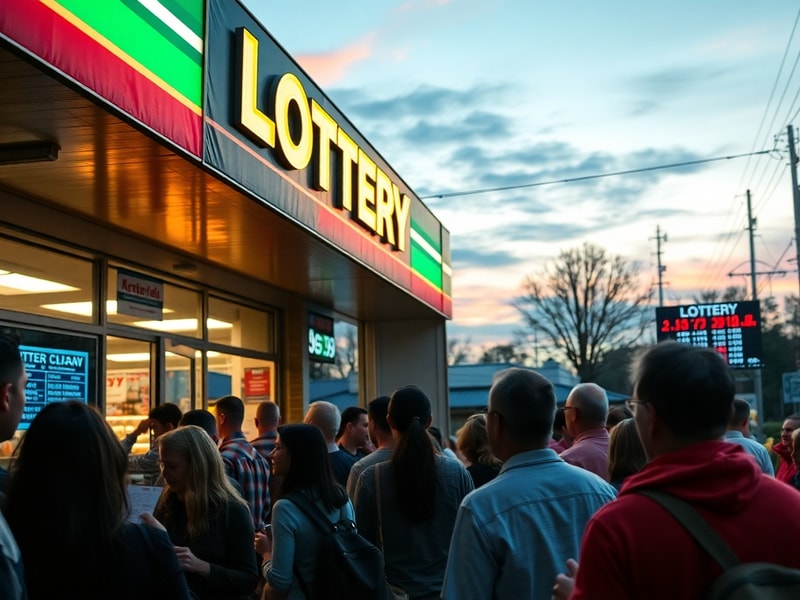
The national lottery stands as one of the most recognizable institutions in modern society—a paradox where hope, mathematics, and public policy intersect. Since its inception in various forms around the world, the lottery has evolved from a simple fundraising mechanism to a cultural touchstone that reflects societal attitudes toward risk, luck, and collective dreaming. While some view it as a harmless pastime or a civic duty, others critique it as a regressive tax on the vulnerable. This article examines the lottery’s global footprint, its cultural significance, and the debates it continues to provoke.
A Brief History of the Lottery Around the World
The concept of lotteries dates back centuries, with early iterations appearing in ancient China and Rome. However, the modern national lottery as we know it began to take shape in the 20th century. The United Kingdom launched its first state-run lottery in 1994, following decades of debate about whether gambling should be state-sanctioned for public benefit. Similarly, the United States has a patchwork of state lotteries, with New Hampshire establishing the first in 1964. Across Europe, lotteries like Spain’s Lotería Nacional or Italy’s Lotto have become embedded in national identity, often tied to holidays and traditions.
In many countries, lotteries serve dual purposes: funding public services and providing entertainment. For example, the UK’s National Lottery has contributed over £40 billion to good causes since its launch, supporting everything from sports facilities to heritage projects. In India, lotteries are operated by state governments and contribute to local development, though they remain controversial due to concerns about addiction. Meanwhile, Japan’s Takarakuji is a cultural institution, with drawings broadcast live on television and tickets sold at convenience stores nationwide.
Key Milestones in Lottery History
- 1934: Puerto Rico establishes the first U.S. territory lottery.
- 1956: Sweden introduces Lotto, one of Europe’s oldest continuous lotteries.
- 1986: The UK’s National Lottery begins under the National Lottery Act.
- 2004: The European Lotteries Association is founded to promote responsible gaming.
Cultural Significance: More Than Just Numbers
The lottery is far more than a financial transaction; it is a cultural phenomenon that shapes how societies view luck and aspiration. In many cultures, lotteries are tied to rituals and traditions. In Spain, the El Gordo draw during Christmas is a national event, with families pooling tickets and sharing the excitement. In the U.S., lotteries like Powerball have become pop culture references, often highlighted in films and television as symbols of sudden wealth—or the dangers of unchecked ambition.
Lotteries also reflect societal values. In Japan, where saving face and community harmony are prioritized, lotteries offer a socially sanctioned way to dream of escape without disrupting the status quo. Conversely, in countries like the Philippines, where lotteries are widespread, they are often criticized for exploiting the poor, who spend disproportionate amounts on tickets despite slim odds. This duality underscores the lottery’s role as both a unifier and a divisive force.
Art and literature have long explored the lottery’s themes. Shirley Jackson’s short story The Lottery uses the concept to critique blind adherence to tradition, while films like Slumdog Millionaire juxtapose luck with systemic inequality. These narratives reveal how lotteries serve as mirrors to societal hopes and fears.
The Economics and Ethics of Lotteries
Lotteries are big business. Globally, they generate hundreds of billions in revenue annually, with a significant portion allocated to public funds. In the UK, for instance, lottery proceeds fund everything from the arts to emergency services. Yet the economic benefits are hotly debated. Critics argue that lotteries function as a regressive tax, disproportionately affecting low-income individuals who spend a larger share of their income on tickets.
Studies show that lottery participation correlates with economic hardship. A 2018 study by the University of Buffalo found that households with incomes under $20,000 annually spend, on average, 13% of their earnings on lottery tickets. This has led to calls for stricter regulation, such as advertising bans or mandatory disclosures about odds. Meanwhile, supporters counter that lotteries provide essential revenue without raising taxes, making them a necessary evil.
The ethics of lotteries also extend to their marketing. Bright, colorful advertisements promising life-changing wealth can be misleading, particularly when juxtaposed with the astronomical odds of winning. Some countries have responded by requiring advertisements to display winning probabilities prominently. Others, like Finland, have introduced tools to help players set spending limits, aiming to mitigate addiction.
How Lotteries Compare Across Regions
| Region | Lottery Name | Revenue Allocation | Key Features |
|---|---|---|---|
| UK | National Lottery | Good causes (50%), prizes (28%), operators (22%) | Broadcast draws, scratch cards, EuroMillions |
| USA | Powerball | Public funds, state programs | Multi-state, large jackpots, frequent drawings |
| Italy | Lotto | Social projects, infrastructure | Weekly draws, local pride, superstitions |
| Japan | Takarakuji | Public welfare, sports funding | TV broadcasts, convenience store sales, seasonal draws |
The Future of Lotteries: Innovation and Regulation
The lottery industry is undergoing rapid transformation, driven by technology and shifting consumer behaviors. Online platforms have made lotteries more accessible than ever, with digital tickets and mobile apps reducing the need for physical purchases. This shift has also introduced new challenges, such as the rise of unregulated offshore gambling sites that target vulnerable players.
Blockchain technology is another frontier. Some lotteries, like those in Europe, are experimenting with blockchain-based draws to enhance transparency and trust. Meanwhile, cryptocurrency lotteries have emerged, offering decentralized and anonymous participation. However, these innovations raise concerns about fraud and consumer protection, prompting calls for updated regulations.
Regulation remains a contentious issue. The European Union has taken steps to harmonize lottery laws, but enforcement varies widely. In the U.S., lotteries are managed at the state level, leading to disparities in age restrictions, prize structures, and advertising practices. As lotteries expand globally, the need for international cooperation on ethical standards becomes increasingly urgent.
Looking ahead, lotteries will likely continue to evolve in response to technological and cultural shifts. Whether through virtual reality draws or AI-driven personalized marketing, the industry will need to balance innovation with responsibility. For now, the lottery remains a powerful symbol of hope—a fleeting chance to rewrite one’s destiny, even if the odds are forever against it.
Conclusion: A Reflection of Society
The national lottery is more than a game of chance; it is a microcosm of society’s relationship with luck, risk, and collective aspiration. It funds public goods while exposing societal inequalities. It entertains millions while fueling addiction for some. It reflects cultural values, from Japan’s communal harmony to America’s individualism. As lotteries adapt to the digital age, their role in society will continue to be scrutinized, debated, and redefined. One thing is certain: the lottery’s enduring appeal lies in its promise—a promise that, against all odds, today might be your lucky day.