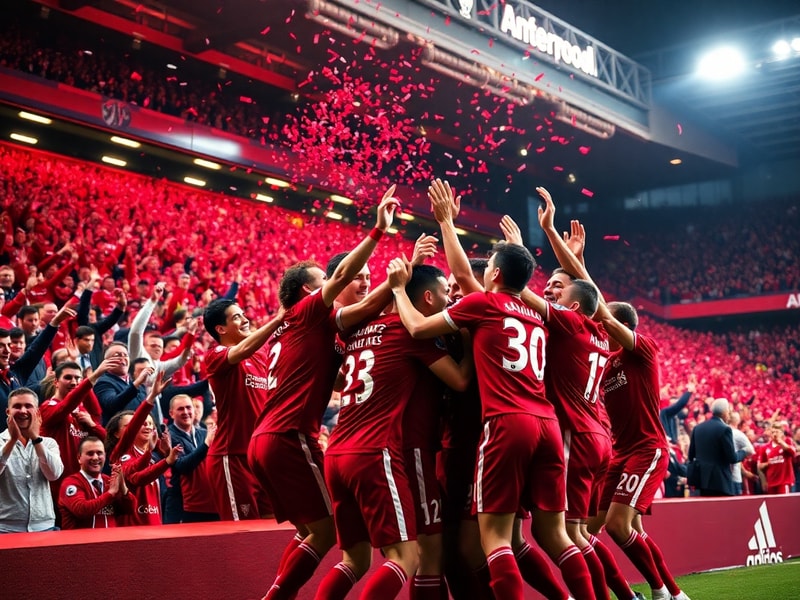
Few institutions in world football carry the weight of history, tradition, and ambition like Liverpool Football Club. Founded in 1892 following a dispute with Everton over lease terms at Anfield, the Reds have grown into a global brand synonymous with resilience, passion, and unrelenting pursuit of excellence. More than just a football club, Liverpool FC has become a cultural touchstone for millions, blending working-class roots with modern commercial success.
The club’s identity has always been rooted in its community. From the Kop’s iconic anthem “You’ll Never Walk Alone” to the relentless pressing style under managers like Bill Shankly and Bob Paisley, Liverpool’s ethos transcends sport. It’s a philosophy that has shaped generations of players, managers, and fans alike. Today, under the ownership of Fenway Sports Group (FSG) and the leadership of Jürgen Klopp, the club continues to redefine what it means to be both historically significant and forward-thinking.
The Anfield Experience: More Than Just a Stadium
Anfield is more than a football ground—it is a cathedral of footballing worship. With a capacity of over 53,000, the stadium’s atmosphere is legendary, particularly in the historic Spion Kop stand, where generations of fans have sung in unison for over a century. The stadium’s redevelopment under FSG transformed it into a modern, safe, and accessible venue while preserving its soul. The addition of the Main Stand in 2016 increased capacity and improved facilities, but the essence of Anfield remains unchanged.
The stadium is also a museum of memories. From the 1977 European Cup triumph to the dramatic 2005 Champions League comeback against AC Milan, Anfield has been the stage for some of football’s most iconic moments. The club’s commitment to preserving its heritage is evident in the Hillsborough Memorial and the Shankly Gates, which serve as constant reminders of both triumph and tragedy. These elements combine to create an unmatched sense of belonging among supporters.
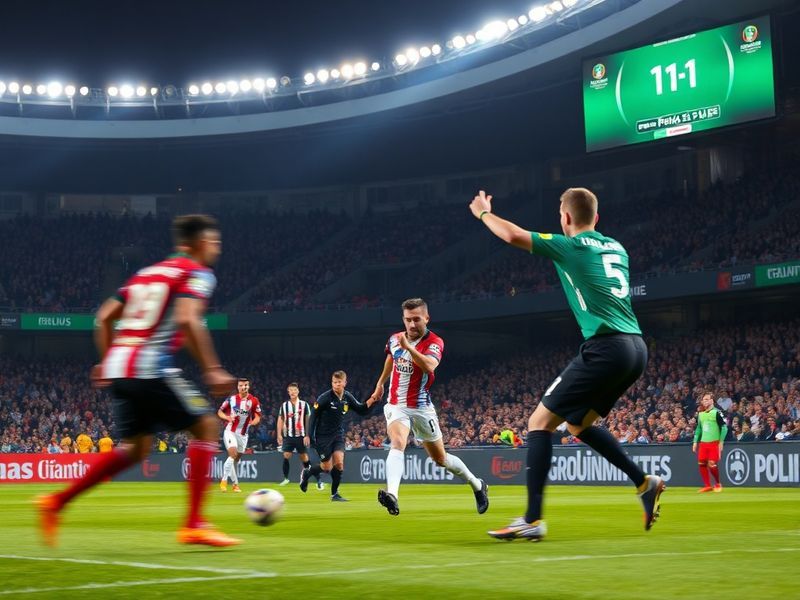
The matchday experience at Anfield is a ritual. Fans arrive hours before kickoff, congregating around the stadium, singing in the pubs of Walton and Anfield, and creating an electric atmosphere that few stadiums in the world can replicate. This communal spirit is central to Liverpool’s global appeal and has helped the club build a fanbase that stretches from Sydney to Seattle.
Jürgen Klopp and the Philosophy of “Heavy Metal Football”
When Jürgen Klopp arrived at Liverpool in October 2015, he inherited a club in transition. The Reds had not won a league title since 1990 and had struggled to compete consistently in the Premier League. What followed was nothing short of a revolution. Klopp’s high-energy, gegenpressing style—dubbed “heavy metal football” by pundits—rejuvenated the squad and captivated neutrals. His charisma, tactical innovation, and man-management turned Liverpool into an attacking force.
The 2017-18 season marked the turning point. Liverpool reached the UEFA Champions League final, losing to Real Madrid, but the campaign showcased the potential of Klopp’s project. The following year, the Reds secured a runners-up finish in the Premier League, falling just one point short of Manchester City. In 2019-20, they delivered on the promise, winning the Premier League title for the first time in 30 years in a campaign defined by relentless intensity and tactical flexibility.
Klopp’s success is not just measured in trophies. His ability to build a cohesive team from diverse personalities—from the leadership of Jordan Henderson to the flair of Mohamed Salah—demonstrates his man-management skills. The German coach has also fostered a culture of empathy and connection with the fanbase, often referencing the club’s working-class roots and the importance of authenticity. This approach has resonated deeply in an era where football is increasingly dominated by financial power rather than human values.
Key Elements of Klopp’s Liverpool
- Gegenpressing: Winning the ball back high up the pitch, often within seconds of losing it, to create scoring opportunities.
- High Pressing Intensity: The team’s collective work rate and positional discipline force opponents into errors.
- Squad Depth: Klopp has masterfully rotated his squad, ensuring fitness and freshness across competitions.
- Fan Engagement: Klopp’s accessibility and emotional connection with supporters have strengthened the club’s identity.
- Adaptability: Liverpool’s ability to switch formations and tactics mid-game has made them unpredictable and dangerous.
Global Reach and Commercial Evolution
Liverpool FC is no longer just a football club—it is a global brand. Under FSG’s ownership, the club has undergone a commercial transformation while maintaining its core values. The club’s revenue has grown exponentially, driven by lucrative sponsorship deals, merchandise sales, and international tours. Partnerships with Standard Chartered, Nike, and more recently, YouTube, have expanded Liverpool’s reach beyond traditional football markets.
The club’s digital presence has also evolved. Liverpool’s social media platforms boast hundreds of millions of followers, with engaging content that blends nostalgia, humor, and behind-the-scenes access. The club’s official YouTube channel, for example, features documentaries, match highlights, and fan interactions, creating a 24/7 connection with supporters worldwide.
This global expansion has not come at the expense of the club’s local identity. Liverpool’s community initiatives, such as the Red Neighbours program and the Liverpool FC Foundation, continue to support education, health, and social inclusion in Merseyside. The club’s commitment to social responsibility is a testament to its belief in using football as a force for good.
The club’s commercial success has also enabled it to compete financially with Europe’s elite. While it may not have the resources of clubs like Manchester City or Real Madrid, Liverpool’s smart investments in player recruitment and infrastructure have allowed it to punch above its weight. The signings of Virgil van Dijk, Alisson Becker, and Diogo Jota, among others, demonstrate the club’s ability to identify and acquire world-class talent.
The Future: Sustainability and the Next Generation
As Liverpool looks to the future, the club faces both opportunities and challenges. The retirement of Klopp in 2024 marked the end of an era, but it also opened the door for a new leader to carry the torch. The appointment of Arne Slot, a disciple of Klopp’s high-pressing philosophy, signals continuity, but the transition will not be without scrutiny.
The club’s focus on sustainability is another critical aspect of its future. Liverpool has committed to becoming a net-zero carbon club by 2030, investing in renewable energy and sustainable stadium operations. This commitment aligns with the growing demand for environmental responsibility in sports and reflects the club’s broader ethos of responsibility.
On the pitch, the next generation of Liverpool players will be crucial. The development of academy graduates like Curtis Jones and Harvey Elliott, alongside the integration of young talents from overseas, will determine the club’s long-term success. The club’s investment in its Academy, which has produced players like Trent Alexander-Arnold and Ben Woodburn, underscores its commitment to homegrown talent.
Financially, Liverpool must navigate the evolving landscape of football economics. The introduction of the UEFA Financial Sustainability Regulations (FSR) and the Premier League’s profit-and-sustainability rules will require careful management. The club’s ability to balance ambition with fiscal responsibility will be key to maintaining its competitive edge.
What’s Next for Liverpool FC?
- Tactical Evolution: The club must adapt to the post-Klopp era while maintaining its pressing identity.
- Squad Renewal: Strengthening the squad with intelligent signings will be essential to sustain success.
- Infrastructure Growth: Continued investment in training facilities and youth development will secure long-term stability.
- Global Expansion: Leveraging its international fanbase to grow commercial revenue and brand value.
- Sustainability Leadership: Setting an example for other clubs in environmental and social responsibility.
Liverpool FC’s journey is far from over. From its humble beginnings in 1892 to its status as a global footballing powerhouse, the club has consistently demonstrated the power of resilience, innovation, and community. As it enters a new chapter, Liverpool remains a beacon of authenticity in an era of football increasingly dominated by financial might.
For supporters and neutrals alike, Liverpool FC represents more than just a team—it is a symbol of hope, perseverance, and the belief that greatness is earned, not given. In a world where football often feels detached from its roots, Liverpool stands as a reminder of what makes the sport truly special.
For more insights into football culture and club histories, visit Dave’s Locker Sports and Dave’s Locker Analysis.