Once a modest Welsh football club with a loyal local following, Wrexham AFC has transformed into one of the most recognizable names in global football. The club’s journey—marked by financial struggles, passionate ownership, and unexpected fame—reflects broader trends in modern sports culture.
The Early Years: A Club Born in Crisis
Wrexham AFC was founded in 1864, making it one of the oldest football clubs in the world. Its early years were defined by local competition and modest success in the Welsh leagues. By the mid-20th century, the club had earned a reputation as a competitive side in English football, even reaching the quarter-finals of the FA Cup in 1957.
The late 20th century, however, brought financial instability. Like many lower-league clubs, Wrexham struggled with funding, stadium maintenance, and fluctuating fan support. The club was relegated from the Football League in 2008, a low point that nearly led to its collapse. Local businessman Neville Dickens took over in 2011, attempting to stabilize the club, but financial troubles persisted.
These challenges were not unique to Wrexham. Many historic clubs faced similar struggles during this era, reflecting broader economic pressures on traditional football institutions. Wrexham’s survival often hinged on the dedication of its supporters, who kept the club alive through difficult times.
The Ryan Reynolds and Rob McElhenney Effect
The club’s fortunes changed dramatically in February 2021 when Hollywood actors Ryan Reynolds and Rob McElhenney, along with Reynolds’ Wrexham AFC LLC, purchased a majority stake in the club. The deal was not just a financial investment—it was a cultural moment. Reynolds and McElhenney, known for their wit and charisma, brought a new level of visibility to the club.
Their ownership strategy blended entertainment with traditional football management. They leveraged social media, particularly Reynolds’ massive Twitter following, to promote the club globally. The documentary series Welcome to Wrexham, produced by FX and Disney+, further amplified the club’s profile, turning its story into must-watch content.
Under their leadership, Wrexham achieved promotion from the National League to League Two in 2023, ending a 15-year absence from the Football League. The club’s average attendance also surged, reflecting renewed local and international interest. This success story has sparked conversations about the role of celebrity ownership in football and whether such models can sustain long-term growth.
Key Achievements Under New Ownership
- Promotion to League Two (2023)
- Record-breaking average attendance (over 10,000 per match)
- Expanded global fanbase, particularly in North America and Asia
- New commercial partnerships and sponsorship deals
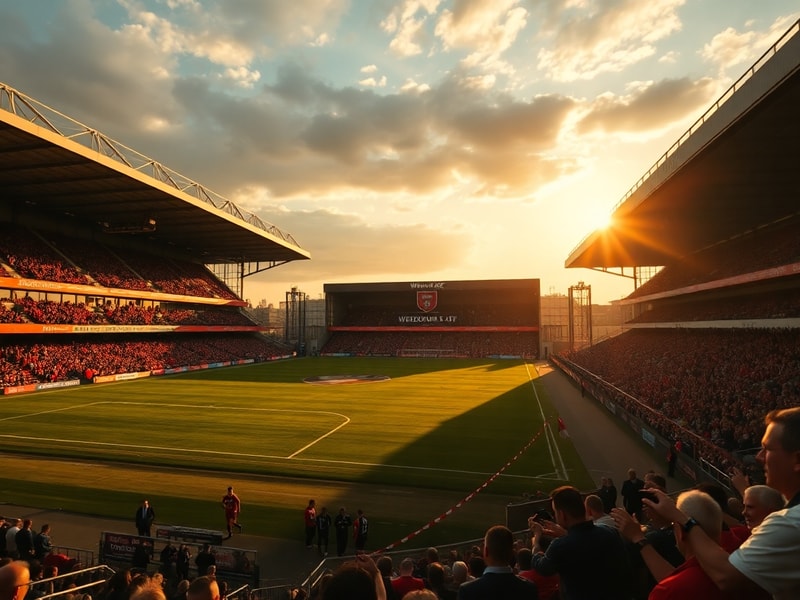
- Renovation of the Racecourse Ground stadium
Broader Implications: Lessons for Football Clubs Worldwide
Wrexham’s revival offers several insights for football clubs at all levels. First, it demonstrates the power of storytelling in modern sports. The club’s narrative—rooted in history, struggle, and redemption—resonates with audiences far beyond its traditional fanbase. This aligns with a growing trend where clubs prioritize emotional connections with supporters to drive engagement.
Second, Wrexham’s success highlights the potential of celebrity ownership. While critics argue that such arrangements can overshadow sporting priorities, Reynolds and McElhenney have shown that charismatic leaders can elevate a club’s profile without alienating its core fanbase. This model may inspire other clubs to seek unconventional partnerships.
Finally, the club’s story underscores the importance of community. Despite its global fame, Wrexham remains deeply tied to its Welsh roots. The owners have emphasized local engagement, from supporting grassroots football to investing in the Racecourse Ground. This balance between global appeal and local identity is a lesson for clubs navigating the complexities of modern football.
The Future of Wrexham AFC
The club’s immediate goals include securing a stable place in League Two and continuing its push toward League One. Long-term ambitions may involve further stadium expansions or even targeting the Championship. However, the biggest challenge will be maintaining the delicate balance between growth and authenticity.
Wrexham’s global fanbase presents opportunities for commercial partnerships, but it also raises questions about the club’s identity. Will it remain a community-focused club, or will it evolve into a global brand? The answer may define its next chapter.
For now, Wrexham AFC stands as a testament to the unpredictable nature of football. Its journey—from financial crisis to global fame—reflects the sport’s ability to reinvent itself. Whether this model can be replicated elsewhere remains to be seen, but Wrexham has already proven that football’s future may be as much about storytelling as it is about sport.
For more on the intersection of sports and culture, visit Dave’s Locker Sports or explore Entertainment for similar stories.