Griffin Canning has emerged as one of Major League Baseball’s most promising pitchers in recent years. Drafted by the Los Angeles Angels in 2017, Canning has steadily developed into a reliable starter, combining precision pitching with an adaptable skill set. His journey from a highly touted college prospect to an established MLB arm reflects both personal growth and the evolving demands of modern pitching.
The Early Years and College Dominance
Born on May 16, 1996, in Mission Viejo, California, Griffin Canning attended the University of California, Los Angeles (UCLA), where he quickly became a standout pitcher. As a freshman in 2015, he posted a 6-3 record with a 3.18 ERA and 82 strikeouts in 70.2 innings. His sophomore season in 2016 solidified his status as an elite prospect, as he went 11-3 with a 2.34 ERA and 140 strikeouts in 103.1 innings, earning First-Team All-Pac-12 honors.
Canning’s ability to mix fastballs with a sharp curveball and a developing changeup made him a difficult matchup for college hitters. His poise on the mound and ability to work deep into games caught the attention of scouts. By the time he declared for the MLB Draft in 2017, he was considered one of the top collegiate pitchers available.
Professional Debut and Early MLB Challenges
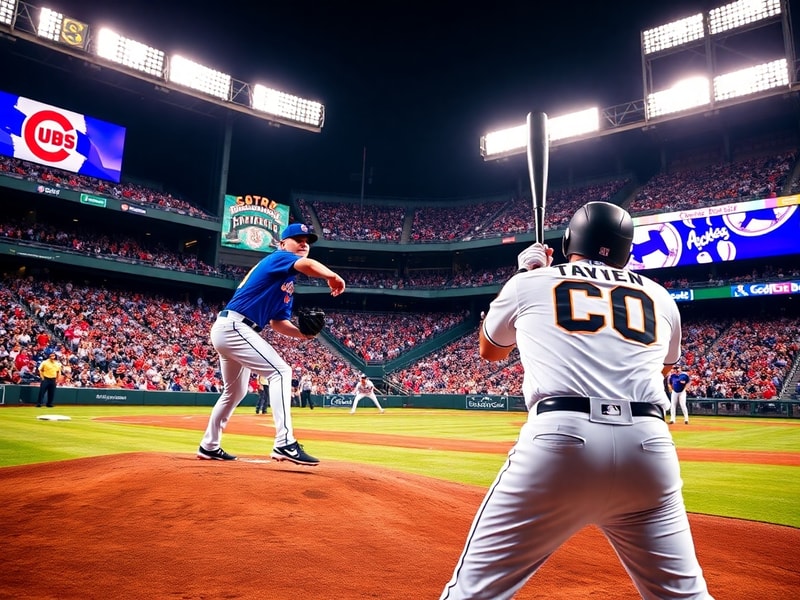
Selected by the Angels with the 47th overall pick in the 2017 MLB Draft, Canning signed quickly and was promoted to the majors in 2019. He made his debut on June 5 against the Seattle Mariners, tossing five innings while allowing three runs. Despite a shaky start to his rookie campaign, Canning showed flashes of brilliance, including a 10-strikeout performance against the Texas Rangers in July.
However, his first full season in 2020 was disrupted by injuries. A strained oblique muscle limited him to just six appearances, and he struggled with consistency when healthy. The setback forced him to refine his mechanics and strengthen his conditioning program. Observers noted that his fastball velocity had fluctuated, a trend that would become a focal point in his development.
Pitching Arsenal and Mechanical Adjustments
Canning’s pitching repertoire has evolved significantly since his college days. He relies primarily on a four-seam fastball that averages 92-94 mph, complemented by a two-seam sinker in the low 90s. His secondary offerings include a sharp curveball and an improving changeup, which he uses to keep hitters off balance. In recent seasons, he has also incorporated a cutter to enhance his ability to jam right-handed hitters.
One of the most notable changes in Canning’s approach has been his emphasis on command over pure velocity. After working extensively with the Angels’ pitching staff under coaches like Mickey Callaway and newly hired pitching coach Barry Enright, Canning began to focus more on location and sequencing rather than max effort. This shift has resulted in fewer walks and more ground-ball opportunities, particularly with his sinker.
Breakout Season and National Recognition
The 2023 season marked a turning point in Canning’s career. He posted a 3.14 ERA across 30 starts, striking out 157 batters in 174.2 innings while walking just 53. His ground-ball rate of 47.1% ranked among the top in the league, a testament to his improved ability to induce weak contact. For the first time, he received Cy Young Award consideration, finishing eighth in the American League voting.
His performance was especially impressive in high-leverage situations. Canning recorded a 3.05 ERA in the seventh inning or later, demonstrating his ability to pitch effectively under pressure. His outing against the Houston Astros on August 27, where he retired 15 of the final 16 batters, became a career highlight and solidified his reputation as a dependable arm in the Angels’ rotation.
Comparisons and Long-Term Potential
Canning has often been compared to other ground-ball-heavy right-handers like Dallas Keuchel and Julio Teheran, though he possesses a higher strikeout ceiling than both. His ability to limit home runs—just 15 allowed in 2023—further underscores his effectiveness. Scouts and analysts have praised his advanced pitch sequencing, which allows him to attack hitters in multiple quadrants of the strike zone.
Looking ahead, the key to Canning’s continued success may lie in his ability to maintain velocity deep into games. While his fastball typically sits in the low 90s, he has shown moments where it dips into the upper 80s in the later innings. Strengthening his conditioning and refining his secondary pitches could help him become a frontline starter rather than a mid-rotation workhorse.
Off the Field: Personality and Influence
Despite his on-field growth, Canning has remained relatively low-key off the diamond. Known for his quiet demeanor and professionalism, he has earned respect from teammates and coaches alike. His leadership within the Angels’ young pitching staff has been particularly notable, with several rookies citing him as a mentor.
Canning has also been active in community initiatives, including visits to children’s hospitals and participation in baseball clinics for underserved youth. His involvement reflects a growing trend among MLB players to use their platform for positive impact beyond the field.
What’s Next for Griffin Canning?
As the 2024 season approaches, all eyes will be on Canning to see if he can build on his breakout campaign. The Angels, buoyed by a resurgent Shohei Ohtani and a retooled lineup, are aiming for a playoff push. Canning’s role as the team’s number two starter behind Ohtani will be critical, especially in a competitive AL West division featuring the Texas Rangers, Houston Astros, and Seattle Mariners.
Long-term, there is speculation about Canning’s potential to reach 200 innings per season or even contend for a Cy Young Award. His development will be closely watched by both Angels fans and fantasy baseball enthusiasts, particularly as teams place increasing value on durable, high-command pitchers.
For now, Griffin Canning stands as a prime example of how patience and adaptability can transform a prospect into a star. His journey from UCLA to the Angels’ rotation is still unfolding, but the foundation has been firmly set.
Key Takeaways for Aspiring Pitchers
- Command Over Velocity: Canning’s rise highlights the importance of location and sequencing over sheer speed.
- Adaptability: His willingness to refine his pitch mix and mechanics has been crucial to his development.
- Mental Toughness: Overcoming injuries and inconsistency requires resilience, a trait Canning has demonstrated.
- Leveraging Ground Balls: A high ground-ball rate can mitigate home runs and extend a pitcher’s effectiveness.
Griffin Canning’s story is far from over. With each start, he inches closer to defining himself not just as a reliable starter, but as a potential ace. For fans of the game and aspiring athletes alike, his career offers a compelling blueprint for sustained success in professional baseball.
For more insights into emerging MLB talent, visit our Sports section. To explore deeper analysis of pitching trends, check out our Analysis category.