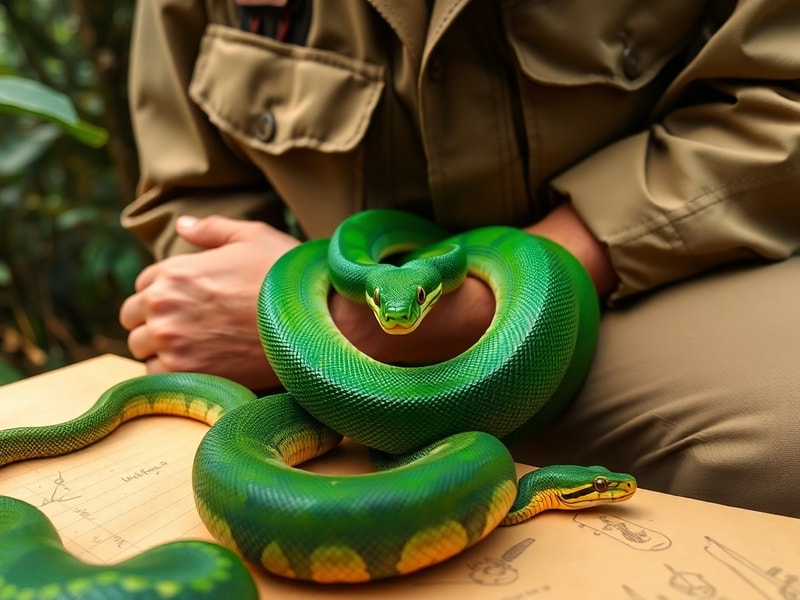
Herpetology, the branch of zoology dedicated to the study of reptiles and amphibians, offers a fascinating window into some of the planet’s most adaptable and resilient creatures. These animals, often misunderstood or overlooked, play crucial roles in ecosystems worldwide. From the venomous snakes of the Amazon to the delicate frogs of Madagascar, herpetology explores biodiversity, conservation challenges, and the intricate behaviors of species that have thrived for millions of years.
The term “herpetology” derives from the Greek word “herpeton,” meaning “creeping animal,” and reflects the slow, deliberate movements associated with many reptiles and amphibians. Yet, these animals are anything but simple. Their adaptations—whether the waterproof scales of a desert-dwelling lizard or the permeable skin of a tree frog—demonstrate remarkable evolutionary innovation. For enthusiasts and scientists alike, herpetology is more than a hobby; it’s a lifelong pursuit of knowledge about creatures that have mastered survival in some of Earth’s most extreme environments.
The Foundations of Herpetology: What Defines Reptiles and Amphibians?
Reptiles and amphibians are often grouped together due to their cold-blooded physiology, yet they belong to distinct biological classes. Reptiles, including snakes, lizards, turtles, and crocodilians, are typically covered in scales and lay leathery or hard-shelled eggs. Amphibians, such as frogs, salamanders, and caecilians, undergo metamorphosis, transitioning from aquatic larvae to terrestrial adults, and often have moist, permeable skin that aids in respiration.
One key difference lies in their reproductive strategies. Most reptiles lay eggs on land, while many amphibians return to water to reproduce. Some reptiles, like certain boas and vipers, give birth to live young, a trait known as viviparity. Amphibians, on the other hand, often rely on external fertilization, with males releasing sperm over eggs laid by females in water. These distinctions highlight the diverse evolutionary paths taken by these groups over hundreds of millions of years.
A common misconception is that reptiles and amphibians are closely related. In reality, they diverged from a common ancestor around 340 million years ago. Their similarities stem from convergent evolution, where unrelated species develop comparable traits due to similar environmental pressures. For example, both chameleons and certain frogs have independently evolved the ability to change color, though for different purposes—camouflage in reptiles and communication in amphibians.
The Role of Herpetology in Conservation and Ecology
Herpetology has become increasingly vital in the face of global biodiversity loss. Reptiles and amphibians are among the most threatened groups on Earth, with over 40% of amphibian species and 20% of reptiles at risk of extinction, according to the International Union for Conservation of Nature (IUCN). Habitat destruction, climate change, pollution, and disease—such as the deadly chytrid fungus affecting amphibians—pose existential threats to these animals.
Conservation efforts in herpetology often focus on habitat protection and restoration. Programs like the Conservation Initiatives section on Dave’s Locker highlight successful projects that have stabilized populations of endangered species. For instance, the recovery of the American alligator in the southeastern United States stands as a testament to how targeted conservation can reverse declines. Once hunted to near extinction for its skin, the alligator’s rebound was achieved through strict legal protections and habitat management.
Amphibians, in particular, serve as environmental indicators. Their permeable skin makes them highly sensitive to pollutants, and their dual aquatic-terrestrial life cycles expose them to multiple threats. Declines in amphibian populations often signal broader ecological imbalances, making them a “canary in the coal mine” for environmental health. Herpetologists work closely with ecologists to monitor these species, using their data to advocate for policies that address climate change and habitat degradation.
Key Threats to Reptiles and Amphibians
- Habitat Loss: Urbanization, agriculture, and deforestation destroy critical habitats, fragmenting populations and reducing genetic diversity.
- Climate Change: Rising temperatures and altered precipitation patterns disrupt breeding cycles and shift species’ ranges beyond their adaptive limits.
- Disease: The chytrid fungus, Batrachochytrium dendrobatidis, has devastated amphibian populations worldwide, wiping out entire species in some regions.
- Invasive Species: Predators like rats and snakes introduced to new environments often outcompete or prey upon native reptiles and amphibians.
- Pollution: Pesticides, plastics, and industrial chemicals accumulate in ecosystems, poisoning animals and degrading their habitats.
Herpetology as a Hobby: From Casual Observation to Expertise
For many, herpetology begins as a childhood fascination with lizards, frogs, or snakes. What starts as a simple curiosity can evolve into a lifelong passion, with enthusiasts advancing from casual observation to active participation in conservation and research. The accessibility of reptiles and amphibians—unlike larger or more elusive animals—makes them ideal subjects for amateur naturalists. Backyard discoveries, local field trips, and citizen science projects provide ample opportunities to engage with herpetology without extensive resources.
Keeping reptiles and amphibians in captivity is another avenue for enthusiasts. Species like leopard geckos, bearded dragons, and poison dart frogs are popular pets due to their manageable size and striking appearances. However, responsible pet ownership is critical. Many species have complex dietary, environmental, and social needs that must be met to ensure their well-being. The pet trade, when unregulated, can also contribute to the decline of wild populations through over-collection.
Online communities and local herpetological societies offer platforms for enthusiasts to share knowledge, participate in workshops, and contribute to conservation efforts. Events like reptile expos provide opportunities to network with breeders, veterinarians, and researchers. For those interested in field herpetology, organizations such as the Field Research Projects section on Dave’s Locker offer guidance on ethical fieldwork, including proper handling techniques and data collection methods.
The Future of Herpetology: Technology and Innovation
Advancements in technology are transforming herpetology, enabling researchers to gather data more efficiently and gain deeper insights into these animals’ lives. GPS tracking, for example, allows scientists to monitor the movements of elusive species like the Indochinese box turtle, providing crucial information about migration patterns and habitat use. Similarly, camera traps and drones are being used to survey remote habitats without disturbing wildlife.
Genetic research is another frontier in herpetology. DNA sequencing helps uncover evolutionary relationships between species, identify distinct populations for conservation prioritization, and even trace the origins of invasive species. For instance, genetic studies have revealed that some populations of the endangered bog turtle are genetically distinct, prompting targeted conservation efforts to protect these unique lineages.
Citizen science initiatives, such as iNaturalist and HerpMapper, empower the public to contribute to herpetological research. By uploading photos and observations, amateur naturalists help scientists track species distributions and identify trends in population health. These platforms also foster public engagement, bridging the gap between experts and enthusiasts while raising awareness about the importance of reptiles and amphibians.
Emerging Trends in Herpetological Research
- Bioacoustics: Researchers are using sound recordings to study the calls of frogs and lizards, which can reveal information about mating behaviors, territoriality, and even species identification in cryptic taxa.
- Climate Modeling: Predictive models are being developed to forecast how climate change will impact reptile and amphibian populations, helping conservationists prioritize actions in the most vulnerable regions.
- Captive Breeding Programs: Zoos and conservation organizations are increasingly turning to captive breeding to bolster populations of critically endangered species, such as the Panamanian golden frog.
- Ecotoxicology: Studies are examining the effects of emerging contaminants, like microplastics and pharmaceuticals, on reptiles and amphibians, which absorb pollutants through their skin and diet.
Conclusion: Why Herpetology Matters
Herpetology is more than the study of cold-blooded animals; it’s a discipline that illuminates the interconnectedness of life on Earth. Reptiles and amphibians are not merely survivors of ancient lineages—they are active participants in the health of ecosystems, from controlling insect populations to serving as prey for larger predators. Their decline is not just a loss for biodiversity; it’s a warning of broader environmental crises.
For those drawn to herpetology, the field offers endless opportunities for discovery, whether through hands-on fieldwork, laboratory research, or advocacy. By understanding these animals, we gain insights into the past, present, and future of our planet. Whether you’re a seasoned herpetologist or a curious beginner, the world of reptiles and amphibians invites exploration—and demands our attention.
As conservation efforts intensify and technology advances, the future of herpetology looks brighter than ever. Yet, the ultimate success of these endeavors hinges on public engagement and policy support. By fostering a deeper appreciation for these often-misunderstood creatures, we can ensure that reptiles and amphibians continue to thrive for generations to come.