How Toy Story Changed Animation and Pop Culture Forever
“`html
Toy Story: How Pixar’s Debut Redefined Animation Forever
Pixar’s Toy Story, released in 1995, wasn’t just another animated feature—it was a seismic shift in how stories could be told on screen. The first entirely computer-animated movie ever produced, it combined groundbreaking technology with emotional storytelling that resonated with audiences of all ages. More than three decades later, its legacy continues to influence animation, filmmaking, and even pop culture.
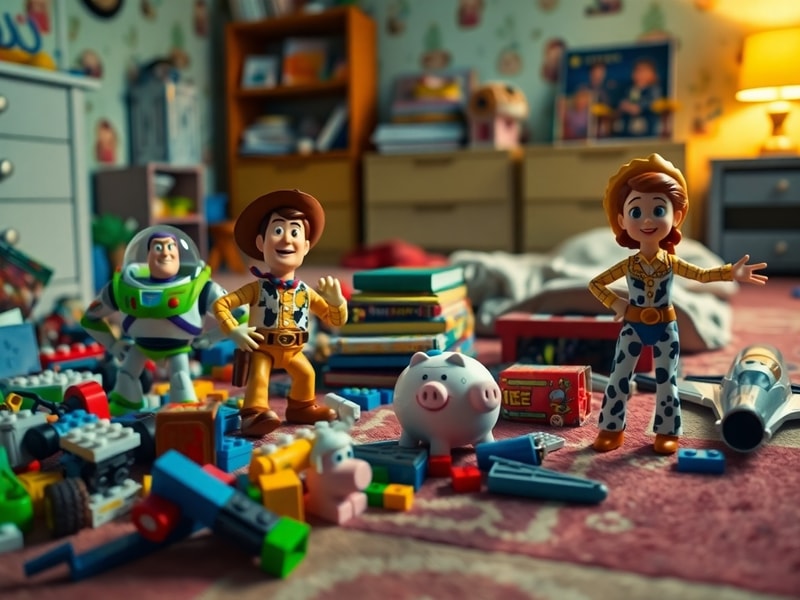
The film introduced us to Woody, a cowboy doll voiced by Tom Hanks, and Buzz Lightyear, a space ranger action figure voiced by Tim Allen. Their rivalry and eventual friendship became the emotional core of a movie that balanced humor, heart, and technical innovation. Beyond its surface appeal, Toy Story explored themes of identity, belonging, and the fear of obsolescence—topics rarely tackled in family entertainment at the time.
The Making of a Revolution: Technology Meets Storytelling
When Pixar began developing Toy Story, traditional animation dominated the industry. Disney had perfected hand-drawn techniques, and studios were skeptical about the viability of computer animation. Yet, behind the scenes, a small team of artists and engineers pushed boundaries. John Lasseter, the film’s director, had previously worked on early CGI projects at Lucasfilm and later at Pixar, where he championed the idea that technology should serve the story—not the other way around.
The transition from concept to screen was fraught with challenges. Rendering realistic textures for toys, creating believable lighting, and animating fluid movement required innovations in software and hardware. Pixar developed RenderMan, a rendering system that allowed for unprecedented detail and realism. Even the animation process itself was reimagined. Animators used a system called “armatures,” which were digital skeletons that allowed characters to move in ways traditional animators could only dream of.
These technical breakthroughs weren’t just for show. They enabled the filmmakers to tell a story that felt immersive and alive. The way Buzz Lightyear’s wings fluttered when he flew or the way Woody’s stitching subtly moved as he spoke added layers of realism that drew viewers in. This fusion of art and technology set a new standard for animation, paving the way for films like Finding Nemo, The Incredibles, and Spider-Man: Into the Spider-Verse.
Beyond the Plastic: The Emotional Depth of Toy Story
While Toy Story dazzled audiences with its visuals, its emotional depth is what solidified its place in cinema history. At its heart, the film is about what it means to matter—to be valued and remembered. Woody, the favorite toy of Andy, his young owner, faces an existential crisis when Buzz Lightyear arrives. Buzz, who genuinely believes he’s a space ranger, disrupts Woody’s status quo, leading to a journey of rivalry, jealousy, and eventual mutual respect.
The film’s exploration of identity is particularly poignant. Buzz’s journey from believing he’s a real space ranger to accepting he’s a toy mirrors the universal experience of growing up and letting go of childhood illusions. Woody’s struggle with jealousy and his eventual growth into a selfless leader reflect the complexities of human relationships. These themes resonated deeply with both children and adults, making Toy Story a film that could be enjoyed on multiple levels.
The supporting cast of toys—including Mr. Potato Head, Slinky Dog, and Hamm—each brought their own personalities to the story, creating a rich tapestry of humor and heart. The film’s ability to balance slapstick comedy with moments of genuine emotion was a testament to the writing team’s skill. Lines like Buzz’s “You are a toy! You aren’t the real Buzz Lightyear!” became iconic, blending humor with a touch of melancholy.
Cultural Impact and the Birth of a Franchise
Toy Story wasn’t just a critical darling; it was a commercial success that spawned one of the most lucrative franchises in animation history. The film grossed over $373 million worldwide, proving that audiences were hungry for stories told through this new medium. Its success helped establish Pixar as a major player in Hollywood and set the stage for future collaborations with Disney, including hits like Monsters, Inc. and Up.
The franchise’s longevity is a testament to its universal themes. Each sequel—Toy Story 2 (1999), Toy Story 3 (2010), and Toy Story 4 (2019)—delved deeper into the lives of these characters while introducing new ones. Bo Peep’s return in Toy Story 4, for example, challenged traditional gender roles, showing that toys could evolve beyond their initial roles. The films also became a vehicle for exploring aging, loss, and the passage of time, particularly in Toy Story 3, which tackled the bittersweet experience of growing up and being left behind.
Beyond the films, Toy Story became a cultural phenomenon. References to the franchise appeared in television shows, video games, and even theme park attractions. The characters became mascots for Pixar, embodying the studio’s commitment to storytelling that appeals to both children and adults. The franchise’s success also demonstrated the power of sequels done right—each installment felt necessary, expanding the world and deepening the emotional stakes.
The Legacy of Toy Story: Why It Still Matters Today
Toy Story’s influence extends far beyond its box office numbers. It redefined what animation could be, proving that CGI wasn’t just a gimmick but a powerful storytelling tool. The film’s success inspired a generation of animators and filmmakers to push the boundaries of their craft. Today, nearly every major animated film incorporates some form of CGI, a direct result of Pixar’s pioneering work.
The franchise also highlighted the importance of voice acting in animation. Tom Hanks’ performance as Woody and Tim Allen’s portrayal of Buzz Lightyear became benchmarks for how animated characters could convey depth and emotion. Their chemistry set a standard that subsequent animated films have strived to meet. Even the film’s score, composed by Randy Newman, became iconic, blending playful melodies with moments of emotional weight.
Moreover, Toy Story remains relevant because of its timeless themes. In an age where technology is constantly evolving, the film’s exploration of identity and belonging feels more pertinent than ever. Toys, like smartphones or AI assistants, are often seen as extensions of ourselves. The film’s message—that what matters most is the relationships we build and the memories we create—transcends generations.
For those interested in exploring more about the evolution of animation or Pixar’s impact on filmmaking, check out our Technology and Entertainment sections. These categories dive deeper into how storytelling and technology intersect, offering insights into the ever-changing landscape of media.
As we look back on Toy Story, it’s clear that its legacy is more than just nostalgia. It’s a reminder of the power of storytelling to connect us, challenge us, and inspire us. Whether you’re a longtime fan or discovering the film for the first time, Toy Story remains a testament to the magic of cinema—and the toys that taught us all what it means to matter.