Juneteenth 2026: A Global Celebration of Freedom and Justice
“`html
Juneteenth 2026: A Global Milestone in the Fight for Freedom
As the United States prepares to mark Juneteenth 2026, the significance of this federal holiday extends far beyond American borders. Recognized as a day of liberation, reflection, and resilience, Juneteenth—celebrated on June 19—commemorates the delayed announcement of emancipation for enslaved African Americans in Texas on June 19, 1865. Two years after the Emancipation Proclamation, this belated news underscored the slow and painful struggle for freedom. By 2026, the holiday will have evolved into a global symbol of justice, prompting nations to reflect on their own histories of oppression and the ongoing pursuit of equality.
The Evolution of Juneteenth: From Local Celebration to Worldwide Recognition
Juneteenth began as a regional observance in Galveston, Texas, where formerly enslaved people gathered to celebrate their freedom with prayer, music, and feasts. Over time, it spread across the U.S., gaining momentum during the Civil Rights Movement of the 1950s and 1960s. The holiday’s official recognition as a federal observance in 2021 marked a turning point, but its cultural and historical weight has always resonated internationally.
In 2026, Juneteenth will be observed not only in the U.S. but also in countries with histories of slavery and colonialism. Nations like Brazil, which celebrates Dia da Consciência Negra (Black Awareness Day) on November 20, and Jamaica, with its annual Emancipation Day on August 1, will join in solidarity. This global alignment highlights a shared struggle against systemic racism and a collective commitment to dismantling oppressive structures. The holiday serves as a reminder that the fight for liberation is not confined to one nation but is a universal pursuit.
Cultural Exchange and Solidarity in 2026
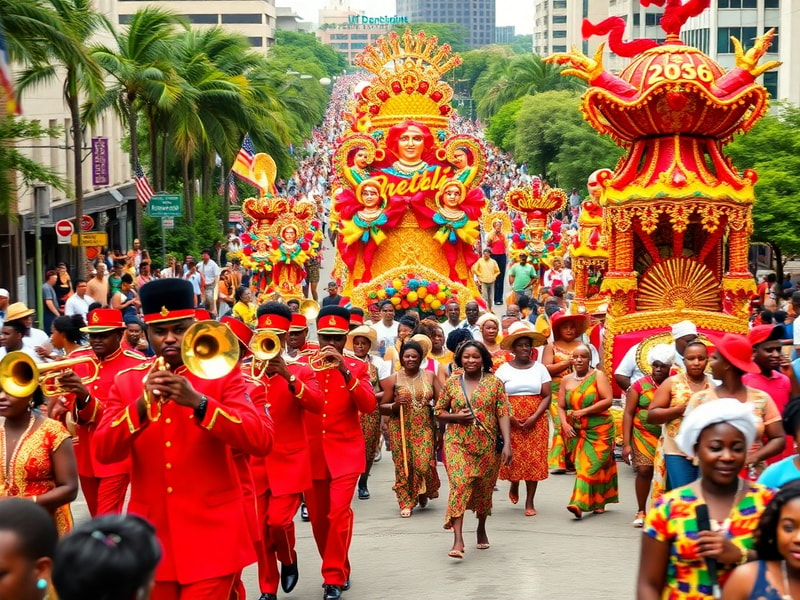
By 2026, Juneteenth celebrations will likely incorporate more international elements, blending African diasporic traditions with local customs. For example, in the Caribbean, festivals may feature Jonkonnu masquerades—a tradition with roots in West African masking ceremonies—while in the U.S., Juneteenth parades could include performances of steelpan music from Trinidad and Tobago or soca rhythms from Barbados. These exchanges foster deeper cultural connections and reinforce the idea that Black liberation is a shared heritage.
Art and literature will also play a pivotal role in shaping Juneteenth 2026. Museums and galleries worldwide may curate exhibitions exploring the transatlantic slave trade, such as the National Museum of African American History and Culture’s collections on slavery and freedom. Meanwhile, literary festivals could spotlight works by Black authors from Africa, the Americas, and Europe, emphasizing the global Black literary tradition. These cultural initiatives not only educate but also celebrate the resilience and creativity of Black communities across continents.
Economic and Political Implications of Juneteenth 2026
As Juneteenth gains global traction, its economic and political dimensions are becoming harder to ignore. In 2026, corporations and governments may face increased pressure to address racial disparities in wealth, education, and criminal justice. For instance, companies headquartered in Europe or Africa might begin to acknowledge Juneteenth as a paid holiday, following the U.S. model. This shift could signal a broader trend toward corporate accountability in matters of racial equity.
Politically, Juneteenth 2026 could serve as a catalyst for policy changes. In the U.S., discussions about reparations for descendants of enslaved people may gain renewed momentum, with advocates pointing to the holiday as a moment to confront historical injustices. Internationally, nations with colonial pasts—such as France, the United Kingdom, and Portugal—might grapple with calls for reparatory justice, particularly in former slaveholding territories. These conversations, though complex, are essential for healing and reconciliation.
Juneteenth in the Digital Age: Amplifying Voices and Preserving History
The digital landscape has transformed how Juneteenth is observed and remembered. In 2026, social media platforms will likely feature curated content, virtual events, and historical deep dives, ensuring that the holiday remains accessible to younger generations. Hashtags like #Juneteenth2026 and #EmancipationDay will trend globally, fostering conversations about racial justice and allyship. However, this digital engagement also raises questions about performative activism and the need for sustained action beyond symbolic gestures.
Preserving the history of Juneteenth in the digital age is equally critical. Archives like the Library of Congress and the Slave Voyages database provide invaluable resources for researchers and educators. In 2026, initiatives such as crowdsourced oral histories or AI-driven genealogy tools could further democratize access to this history, allowing individuals to trace their ancestry and connect with the legacy of Juneteenth in personal ways.
Looking Ahead: Juneteenth as a Beacon for Future Generations
As we approach Juneteenth 2026, the holiday stands as both a celebration of progress and a call to action. It invites reflection on how far societies have come in the fight for freedom while acknowledging the work that remains. For younger generations, Juneteenth offers an opportunity to engage with history in a way that feels relevant and empowering. Schools, community organizations, and families can use the holiday to teach the complexities of American history, including the delayed enforcement of emancipation and the ongoing struggles for civil rights.
The global observance of Juneteenth also underscores the interconnectedness of liberation movements. From the anti-apartheid struggles in South Africa to the Black Lives Matter protests worldwide, the fight against systemic racism is a shared one. Juneteenth 2026 can serve as a unifying moment, bridging cultures and generations in the pursuit of justice.
Conclusion
Juneteenth 2026 is more than a commemoration; it is a global reckoning with the past and a commitment to a more equitable future. As nations come together to honor this day, the lessons of Juneteenth—patience in the face of injustice, resilience in the face of oppression, and solidarity in the face of division—will continue to inspire. Whether through cultural exchange, political activism, or digital storytelling, the legacy of Juneteenth will endure, reminding us all that freedom is a journey, not a destination.