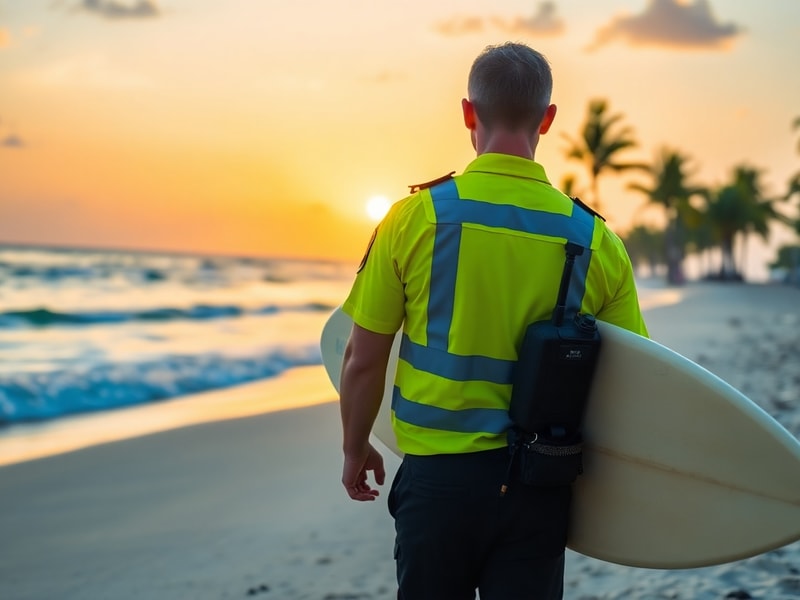
Policing Paradise: How Tourist Hotspots Balance Security and Hospitality
The golden beaches of Bali draw millions each year, its emerald rice terraces in Tuscany attract wanderers from every continent, and the neon-lit streets of Tokyo pulse with a rhythm that never sleeps. These destinations are paradise on Earth—until they’re not. Overcrowding, petty theft, and cultural clashes often follow the foot traffic. For local authorities and tourism boards, the challenge is clear: maintain the idyllic reputation of paradise while ensuring safety and order. Policing in tourist-heavy regions isn’t just about enforcing laws; it’s about preserving an experience.
This delicate balance plays out across the globe. In Santorini, Greek police patrol the narrow, whitewashed alleyways not just with batons, but with smiles. In Reykjavik, officers are more likely to hand out free hugs than fines. Meanwhile, in Barcelona, overt policing has sparked protests, revealing the tension between protection and intrusion. The question isn’t whether paradise needs policing—it’s how that policing should look.
The Global Playbook: What Works in Paradise
Tourist destinations employ a mix of strategies to keep their paradise intact. Some rely on overt presence, others on subtlety; some lean on technology, others on community. Here’s how different regions approach the challenge:
- Visible but Approachable: In Japan, police boxes known as koban are omnipresent in cities like Kyoto and Osaka. Officers stationed in these small kiosks don’t just enforce laws—they offer directions, assist lost travelers, and even help with minor emergencies. The approach fosters trust and reduces fear, turning law enforcement into a service rather than a barrier.
- Community-Led Initiatives: New Zealand’s “100% Pure” campaign isn’t just a marketing slogan. Local Māori tribes and iwi (tribes) in places like Rotorua collaborate with police to manage tourism impacts. Cultural ambassadors, often fluent in multiple languages, act as liaisons between visitors and authorities, diffusing tensions before they escalate. This model emphasizes harmony over control.
- Technology as a Silent Partner: In Dubai, smart surveillance systems and AI-driven crowd management tools monitor everything from foot traffic in the Gold Souk to traffic flow on Sheikh Zayed Road. The city’s police force also uses social media to broadcast safety tips and emergency alerts, ensuring tourists feel informed without feeling surveilled.
- Strict but Fair Enforcement: In Venice, where overtourism has reached crisis levels, fines for sitting on historic steps or feeding pigeons have become common. While controversial, these measures aim to protect the city’s fragile infrastructure and quality of life for residents. The approach is unapologetically strict, reflecting the city’s desperate need to reclaim its identity.
These strategies reveal a spectrum of policing philosophies. Some destinations prioritize hospitality; others prioritize preservation. Few manage to do both seamlessly.
The Human Cost: When Paradise Feels Like a Police State
Not all policing in paradise is benign. In some cases, the line between protection and oppression blurs. The Caribbean island of Aruba, for example, has faced criticism for its aggressive policing of Black and Latino tourists under the guise of “safety.” Reports of racial profiling and disproportionate stops have drawn comparisons to the island’s colonial past. Similarly, in the Maldives, a nation built on luxury and exclusivity, migrant workers—who form the backbone of the tourism industry—often face heavy-handed policing, while wealthy international visitors enjoy relative freedom.
These contradictions highlight a deeper issue: paradise is often a privilege reserved for a few. The policing strategies that work in one context can feel oppressive in another. In Thailand, the infamous “tourist police” are a well-intentioned but flawed solution. While they provide multilingual support, their presence also underscores the country’s history of corruption and unequal treatment of locals versus foreigners.
Cultural context matters. What feels like hospitality to a European tourist might feel like surveillance to a local resident. The challenge for authorities is to design policing models that respect both the tourist experience and the dignity of the people who call paradise home.
Lessons from the Frontlines: Can Paradise Police Itself?
Some destinations are experimenting with self-regulation. In Amsterdam, the city’s famous red-light district has implemented a “tourist tax” to fund better policing and infrastructure upgrades. The revenue helps pay for more officers, better lighting, and even public toilets—amenities that reduce crime and improve quality of life. Meanwhile, in Iceland, the government has capped Airbnb rentals in Reykjavik to prevent overcrowding and maintain housing affordability for locals, indirectly reducing the strain on police resources.
These examples suggest that policing paradise isn’t just about deploying more officers—it’s about rethinking the entire tourism ecosystem. Sustainable tourism policies, community engagement, and economic incentives can reduce the need for heavy-handed enforcement. When locals benefit from tourism, they’re more likely to support (and even participate in) policing efforts.
Yet, even the best-laid plans can falter. In Barcelona, protests erupted in 2019 after local authorities increased fines for street vendors and unlicensed tour groups. Residents argued that the crackdown targeted the wrong issues—overtourism and gentrification—while doing little to address the root causes of crime. The lesson is clear: policing alone can’t fix a broken system. It must be part of a larger strategy that includes urban planning, economic development, and cultural preservation.
For travelers, the takeaway is simple: paradise isn’t free. The pristine beaches, historic streets, and vibrant cultures we cherish come with a cost—one that’s increasingly paid in police presence, fines, and surveillance. The question isn’t whether paradise should be policed, but how that policing can be done in a way that feels fair, transparent, and inclusive.
A New Vision for Policing Paradise
As climate change and economic inequality reshape the world, the pressure on tourist hotspots will only grow. Destinations that cling to outdated policing models risk alienating both locals and visitors. Those that embrace innovation, community collaboration, and sustainability may find a path forward. The future of paradise isn’t in barbed wire and armed guards—it’s in policies that prioritize people over profits, and safety over spectacle.
For now, the world’s most coveted destinations will continue to grapple with this challenge. Some will get it right. Others will stumble. But one thing is certain: paradise can’t police itself. It needs thoughtful, adaptive, and humane strategies to survive—and thrive—in an increasingly crowded world.
For those planning their next getaway, it’s worth researching how your destination balances tourism and security. After all, the best paradises aren’t just beautiful—they’re well-policed.