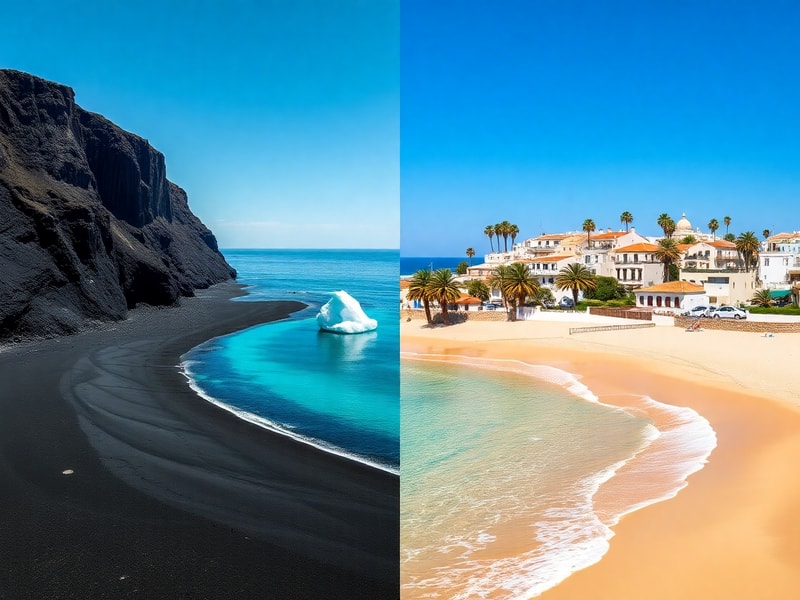
Few travel destinations offer as stark a contrast as Iceland and Spain. One is a land of fire and ice, where geysers erupt against a backdrop of glaciers and volcanic plains stretch as far as the eye can see. The other is a sun-drenched paradise of golden beaches, historic cities, and vibrant nightlife. These two European nations, though both rich in culture and natural beauty, cater to entirely different traveler desires. Whether you’re drawn to the raw, untamed wilderness or the lively rhythm of Mediterranean life, the choice between Iceland and Spain ultimately comes down to what kind of experience you seek.
The Natural Wonders: Where Earth’s Forces Shape the Landscape
Iceland is a geological marvel, a place where the Earth’s inner workings are laid bare. The island sits on the Mid-Atlantic Ridge, where the North American and Eurasian tectonic plates drift apart at a rate of about 2.5 centimeters per year. This constant movement creates dramatic landscapes—fissures, hot springs, and volcanoes that have shaped the country’s identity. The volcanic landscapes of Iceland are unlike anywhere else on Earth, with sites like the Reykjanes Peninsula offering a moon-like terrain of black lava fields and steaming vents.
Spain, by contrast, boasts a diversity of landscapes that range from the snow-capped peaks of the Pyrenees to the arid plains of La Mancha. The country’s geography is defined by its Mediterranean climate, which nurtures olive groves, citrus orchards, and vineyards that produce some of the world’s finest wines. While Spain lacks the dramatic volcanic activity of Iceland, its natural beauty lies in its variety—stretching from the rugged cliffs of Costa Brava to the serene wetlands of Doñana National Park. The contrast between these two nations highlights how geography shapes not just scenery, but also culture and lifestyle.
- Iceland’s Geological Highlights: Geysers like Strokkur, the Blue Lagoon, and the glaciers of Vatnajökull National Park.
- Spain’s Natural Diversity: The Sierra Nevada mountains, the beaches of the Balearic Islands, and the volcanic islands of the Canary archipelago.
Cultural Experiences: From Quiet Reflection to Festive Celebration
The cultural experiences in Iceland and Spain could hardly be more different. Iceland’s culture is deeply rooted in its Viking heritage, with a strong emphasis on storytelling, folklore, and a connection to the natural world. The country’s small population—just over 376,000 people—fosters a sense of intimacy and community, where neighbors often know each other by name. Visitors to Iceland often leave with stories of Northern Lights displays that feel like a private showing or hot spring soaks in the middle of nowhere, where the only sounds are the crackling of geothermal activity.
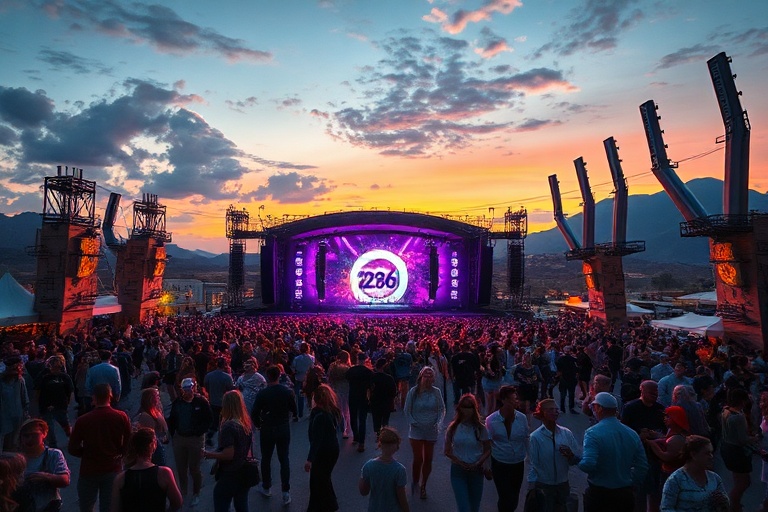
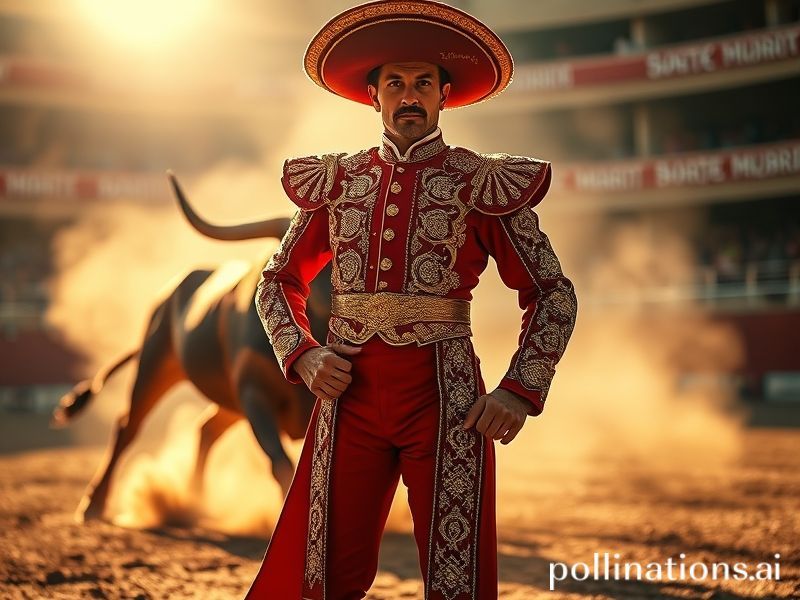
Spain, on the other hand, is a country that thrives on social connection and celebration. From the flamenco performances of Andalusia to the vibrant street festivals like La Tomatina and Running of the Bulls, Spain’s culture is loud, colorful, and deeply communal. Meals in Spain are a social event, often stretching for hours as friends and family linger over tapas and wine. The Spanish siesta tradition, though waning in big cities, still reflects a slower, more relaxed pace of life compared to the fast-paced energy of many European destinations.
Choosing between these two countries often depends on whether you seek solitude and introspection or a lively, interactive experience. Iceland offers a chance to disconnect from the world, while Spain invites you to immerse yourself in its rhythms.
Food and Cuisine: Hearty Comfort vs. Mediterranean Delights
Icelandic cuisine is shaped by its harsh climate and isolation. Traditional dishes like hákarl (fermented shark), skyr (a thick yogurt-like dairy product), and lamb stew reflect the country’s Viking roots and limited agricultural options. Modern Icelandic cuisine, however, has embraced innovation, with chefs like Magnea Birna Árnadóttir pioneering farm-to-table dining using locally sourced ingredients like Arctic char, reindeer, and wild herbs. The country’s culinary scene is small but mighty, with a focus on sustainability and freshness.
Spanish cuisine is a celebration of flavor, color, and tradition. From the paella of Valencia to the pintxos of San Sebastián, each region boasts its own culinary identity. Spain is the world’s third-largest wine producer, with regions like Rioja and Ribera del Duero renowned for their bold reds. The country’s tapas culture encourages experimentation, with small plates of everything from patatas bravas to jamón ibérico offering a taste of Spain’s diverse culinary landscape. Whether you’re dining in a Michelin-starred restaurant or a family-run tavern, the emphasis is on fresh, seasonal ingredients and bold flavors.
- Icelandic Dishes to Try:
- Plokkfiskur (fish stew)
- Rúgbrauð (dense rye bread)
- Lamb soup
- Spanish Dishes to Try:
- Fabada asturiana (bean stew)
- Pulpo a la gallega (Galician-style octopus)
- Crema catalana (a creamy custard dessert)
Practical Considerations: Cost, Accessibility, and Best Times to Visit
Traveling to Iceland is undeniably expensive. Flights from major European cities can cost upwards of €200 round-trip, and once there, accommodations and dining are priced at a premium. The country’s remote location and limited infrastructure mean that self-driving or guided tours are often necessary to explore its vast landscapes. However, the investment can be worth it for those seeking a once-in-a-lifetime adventure.
Spain, on the other hand, is far more budget-friendly. With a wide range of accommodation options—from hostels to luxury hotels—visitors can tailor their experience to their budget. Public transportation, including high-speed trains and budget airlines, makes it easy to explore the country without breaking the bank. The Mediterranean climate also means that Spain is a year-round destination, though spring and fall are ideal for avoiding the summer crowds and extreme heat.
When planning a trip, consider the following:
- Best time to visit Iceland: June to August for midnight sun, or September to March for Northern Lights.
- Best time to visit Spain: April to June or September to October for pleasant weather and fewer tourists.
- Average daily costs:
- Iceland: €150-€250 per day
- Spain: €50-€100 per day
Ultimately, the choice between Iceland and Spain comes down to personal preference and what kind of experience you’re seeking. Whether it’s the awe-inspiring landscapes of Iceland or the vibrant culture and cuisine of Spain, both destinations offer unforgettable journeys—each in its own distinct way.
A Final Thought
Travel is about more than just ticking off destinations; it’s about finding places that resonate with your soul. Iceland and Spain represent two sides of the same coin—one a testament to nature’s raw power, the other a celebration of human creativity and connection. The question isn’t which destination is better, but which one speaks to you. For some, the answer will be both.