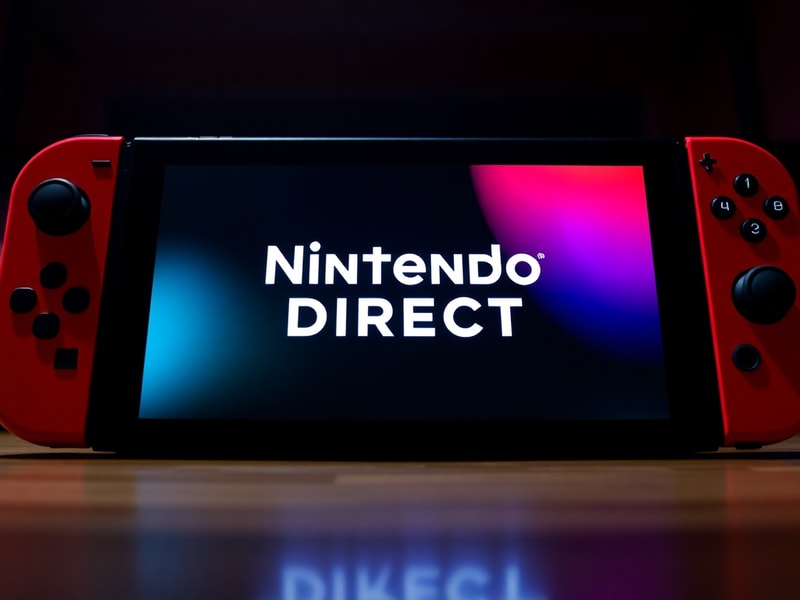
Nintendo’s gaming community often marks their calendars around a singular event: Nintendo Direct. This digital presentation has become a cornerstone of the company’s communication strategy, offering fans direct insights into upcoming games, hardware updates, and surprises from Kyoto. Unlike traditional press conferences, Nintendo Directs are concise, visually driven, and designed for immediate consumption.
The format originated in 2011 as a way to streamline announcements during a period when Nintendo faced scrutiny over its direction. What began as a monthly experiment has evolved into a global phenomenon, occurring at unpredictable intervals but always generating significant anticipation. The timing of these broadcasts—often unannounced—keeps both enthusiasts and analysts guessing, fueling speculation and discourse across social platforms and gaming forums.
The Evolution of Nintendo Directs
The first Nintendo Direct aired on October 21, 2011, in Japanese, with Satoru Iwata at the helm. It lasted only 30 minutes and featured a modest lineup of upcoming titles. Over time, the broadcasts expanded in scope, language options, and frequency. Regional Directs—such as those tailored for North America or Europe—were introduced to better serve diverse audiences. The inclusion of indie developer spotlights in 2015 further diversified the content, giving smaller studios a platform alongside major franchises.
Today, Nintendo Directs are often complemented by Indie World presentations, which focus exclusively on independent games. This separation allows Nintendo to cater to niche interests while maintaining the broader appeal of its mainline Directs. The company has also experimented with thematic Directs, such as those centered on the Animal Crossing series or retro compilations, demonstrating a strategic approach to audience segmentation.
One notable shift occurred during the COVID-19 pandemic, when Nintendo leaned heavily on Directs to announce titles like The Legend of Zelda: Skyward Sword HD and Metroid Dread. These presentations served as vital touchpoints for a community craving connectivity, proving the format’s resilience and adaptability in uncertain times.
When and How to Watch
Nintendo Directs are typically announced with little warning—often just days or even hours before airing. This spontaneity is part of the strategy, creating a sense of urgency and ensuring maximum viewership. The presentations are broadcast on Nintendo’s official YouTube channel, which now boasts over 20 million subscribers. They are also simulcast on major gaming news outlets and social media platforms, including Twitch and Twitter (now X), where fans gather to react in real time.
There are several ways to stay informed about upcoming Directs:
- Official Nintendo Channels: Subscribing to the Nintendo of America and Nintendo UK YouTube channels ensures you receive notifications for all regional broadcasts.
- Nintendo’s Website: The company updates its news page with Direct schedules and related announcements, though details are often sparse until the last minute.
- Gaming News Outlets: Sites like IGN, GameSpot, and Entertainment aggregators frequently publish alerts and recaps, helping fans track rumors and leaks.
- Social Media Alerts: Following Nintendo’s official accounts on Twitter and Facebook can provide early warnings, especially when hashtags like #NintendoDirect trend globally.
The timing of Directs varies by region, with Japanese broadcasts often occurring during late evening hours in the West. North American Directs tend to air in the afternoon or early evening, while European audiences usually catch them in the late afternoon. This staggered approach ensures global participation without overlap, though it occasionally leads to confusion for fans in overlapping time zones.
What Fans Hope to See
The speculative cycle leading up to a Direct is as much a part of the experience as the broadcast itself. Rumors swirl around unreleased titles, hardware revisions, and even long-awaited sequels. For instance, prior to the February 2023 Nintendo Direct, fans relentlessly theorized about the existence of a Metroid Prime 4 announcement, which ultimately did not materialize—though speculation persists for future events.
Hardware remains another hot topic. The Nintendo Switch OLED model debuted during a Direct, as did the Nintendo Switch Lite. With the hybrid console nearing the end of its lifecycle, many anticipate a successor, though Nintendo has not confirmed any such plans. In the meantime, accessories like the Nintendo Switch Pro Controller and third-party docks continue to generate interest.
Indie games also command significant attention. Titles like Hades, Cuphead, and Stardew Valley received major boosts from Nintendo Direct exposure. Indie World presentations, in particular, have become a proving ground for innovative gameplay and artistic expression, often leading to commercial success and critical acclaim.
Perhaps the most elusive hope is the surprise announcement—a game or feature dropped without prior marketing. Nintendo has a history of such reveals, including The Legend of Zelda: Breath of the Wild at E3 2016 and Metroid Dread in a 2021 Direct. These moments transcend typical hype cycles, creating lasting memories for players.
The Cultural Impact of Nintendo Directs
Beyond immediate announcements, Nintendo Directs shape the broader gaming conversation. They influence stock prices, developer roadmaps, and even hardware sales. For example, the reveal of Super Mario Odyssey in a 2017 Direct led to a measurable uptick in Switch pre-orders. Similarly, the absence of a Pokémon Legends: Arceus reveal in a 2021 Direct sparked debate about the franchise’s future direction.
These broadcasts also serve as a barometer for Nintendo’s priorities. A Direct focused heavily on Splatoon 3 signals the company’s investment in multiplayer experiences, while one dominated by The Legend of Zelda titles reflects a commitment to single-player adventures. This transparency—albeit limited—helps fans align their expectations with Nintendo’s strategic vision.
The format has inspired imitators across the industry. Sony and Microsoft have experimented with similar digital presentations, though none have matched the frequency or unpredictability of Nintendo’s model. Competitors often rely on scripted events with polished trailers, whereas Nintendo embraces spontaneity and imperfection, fostering a raw, authentic connection with its audience.
Moreover, Nintendo Directs have become a social ritual. Friends gather to watch live streams, Reddit threads explode with reactions, and TikTok creators dissect every second. The communal experience transforms passive viewing into active participation, reinforcing Nintendo’s role as a cultural touchstone.
Conclusion
Nintendo Directs are more than just announcements—they are cultural touchstones that define eras in gaming. Their unpredictability, combined with Nintendo’s knack for surprise, keeps the community engaged and invested. Whether it’s a groundbreaking new title, a hardware update, or an indie gem, these broadcasts offer a rare glimpse into the future of interactive entertainment.
As Nintendo continues to evolve, so too will the Directs. Fans can expect further refinements in presentation, regional customization, and thematic focus. Yet the core appeal remains unchanged: a direct line to the heart of Nintendo’s creative vision. For gamers, the next Direct isn’t just an event—it’s a promise of what’s to come.