Understanding Sudan: A Nation of Rich Heritage and Complex Challenges
Sudan, often overshadowed in global conversations, is a country of profound historical depth and cultural richness. Stretching across the Sahel region of Africa, it shares borders with seven nations and encompasses a landscape that ranges from the arid Sahara in the north to the tropical rainforests of the south. With a population exceeding 45 million people, Sudan is a mosaic of ethnic groups, languages, and traditions that have evolved over millennia.
The Republic of Sudan, officially recognized in 2011 after South Sudan’s secession, remains a nation grappling with the legacies of colonialism, civil conflict, and economic instability. Yet, it also stands as a testament to resilience, creativity, and an unyielding spirit that continues to shape its identity on the world stage.
The Cultural Tapestry of Sudan
Sudan’s cultural heritage is as diverse as its geography. The country is home to more than 500 ethnic groups, each contributing to the nation’s vibrant social fabric. The Nubian civilization, one of the earliest complex societies in Africa, flourished along the Nile River long before the rise of ancient Egypt. Their legacy is preserved in archaeological sites such as the pyramids of Meroë, which rival those of Giza in grandeur and historical significance.
Music and dance are integral to Sudanese identity. Traditional instruments like the tambour, a type of frame drum, and the oud, a lute-like string instrument, fill the air during celebrations and communal gatherings. The Dabka, a lively dance performed in groups, is a staple at weddings and festivals, reflecting the country’s communal values and joyous spirit.
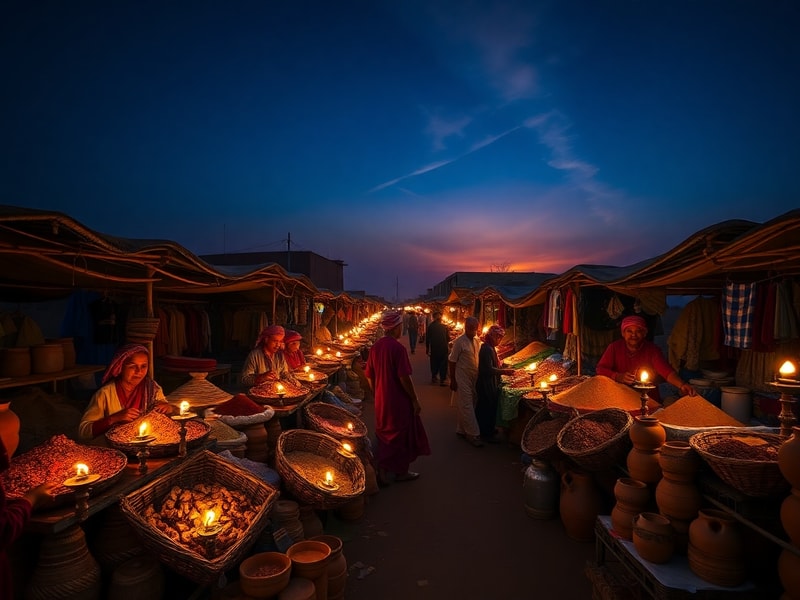
The culinary traditions of Sudan offer another layer of cultural depth. Dishes like ful medames, a slow-cooked fava bean stew, and kisra, a thin sorghum flatbread, are staples that highlight the country’s agricultural roots. These foods are often enjoyed with shai, a spiced tea served in small glasses, symbolizing hospitality and connection.
Literature and Art: Voices of a Nation
Sudan has produced notable literary figures whose works explore themes of identity, displacement, and resilience. Authors like Tayeb Salih, best known for his novel Season of Migration to the North, have gained international acclaim for their poignant portrayals of Sudanese life. Salih’s work, often compared to the literary giants of the African diaspora, bridges local and global narratives, offering insights into Sudan’s complex social dynamics.
Visual arts in Sudan are equally compelling. The Hajjaj Gallery in Khartoum, for example, showcases contemporary Sudanese artists who blend traditional motifs with modern techniques. These artists often address pressing social issues, from environmental degradation to women’s rights, using their work as a platform for dialogue and change.
Sudan’s Political Landscape: A Journey Through Turmoil and Transition
The political history of Sudan is marked by both struggle and transformation. For decades, the country was ruled by authoritarian regimes, most notably under Omar al-Bashir, who governed from 1989 until his ousting in 2019. His regime was characterized by human rights abuses, economic mismanagement, and international isolation, particularly due to the conflict in Darfur, which resulted in one of the 21st century’s most devastating humanitarian crises.
The 2019 revolution, led by a coalition of civil society groups, women’s organizations, and youth movements, marked a turning point. The uprising, fueled by economic hardship and demands for democratic governance, culminated in al-Bashir’s removal. However, the transition to democracy has been fraught with challenges, including military resistance, political fragmentation, and ongoing ethnic tensions.
The 2023 conflict between the Sudanese Armed Forces (SAF) and the Rapid Support Forces (RSF) has further destabilized the country. The violence, which erupted in Khartoum and spread to other regions, has displaced millions and exacerbated an already dire humanitarian situation. International observers have expressed concerns about the potential for prolonged conflict and its regional implications.
Economic Challenges and Global Relations
Sudan’s economy has long been constrained by sanctions, corruption, and a reliance on agriculture, which is vulnerable to climate change. The country’s GDP per capita remains among the lowest in the world, and inflation has eroded the purchasing power of its citizens. Despite these challenges, Sudan holds significant potential, particularly in its mineral wealth, including gold, oil, and uranium.
Internationally, Sudan has sought to rebuild its diplomatic relationships. The normalization of ties with Israel in 2020, brokered by the United States, was a significant step toward reintegrating Sudan into the global community. However, the ongoing conflict threatens to undermine these efforts, raising questions about the country’s future role in regional politics.
Sudan in the Global Context: Opportunities and Responsibilities
From a global perspective, Sudan occupies a unique position at the crossroads of Africa and the Middle East. Its strategic location along the Nile River and its proximity to conflict zones like Libya and South Sudan make it a critical player in regional stability. However, Sudan’s challenges—whether political, economic, or humanitarian—demand collective attention and action.
International organizations, including the United Nations and the African Union, have played pivotal roles in addressing Sudan’s crises. The UN’s Integrated Transition Assistance Mission in Sudan (UNITAMS), for example, has worked to support civilian protection and political transitions. Meanwhile, neighboring countries like Egypt and Ethiopia have engaged in diplomatic efforts to mediate conflicts and promote stability.
Education and Youth: The Future of Sudan
The youth of Sudan represent both the challenges and opportunities facing the nation. With over 60% of the population under the age of 25, the country has a demographic dividend that could drive economic growth and innovation. However, access to quality education remains uneven, particularly in rural areas. Initiatives like the Education for All campaign aim to address these disparities by expanding school infrastructure and teacher training programs.
Higher education institutions, such as the University of Khartoum, have long been centers of intellectual discourse and activism. Students have been at the forefront of protests and movements advocating for change, demonstrating the power of youth in shaping Sudan’s future.
A Path Forward: Building a Sustainable Future
The road to stability and prosperity for Sudan is long and arduous, but not insurmountable. Key priorities include strengthening democratic institutions, addressing ethnic and regional inequalities, and fostering economic diversification. The international community must also play a constructive role by providing humanitarian aid, supporting peacebuilding efforts, and encouraging sustainable development initiatives.
For Sudan to realize its potential, it must harness the resilience and creativity of its people. From the ancient traditions of the Nubians to the modern aspirations of its youth, Sudan’s story is one of endurance and hope. The world must recognize that the challenges facing Sudan are not just its own but shared responsibilities that require collective action.
As Sudan navigates this critical juncture, the lessons of its past and the dreams of its people will guide its journey forward. The international community has a responsibility to stand in solidarity with Sudan during this pivotal moment, ensuring that its future is one of peace, justice, and opportunity for all.