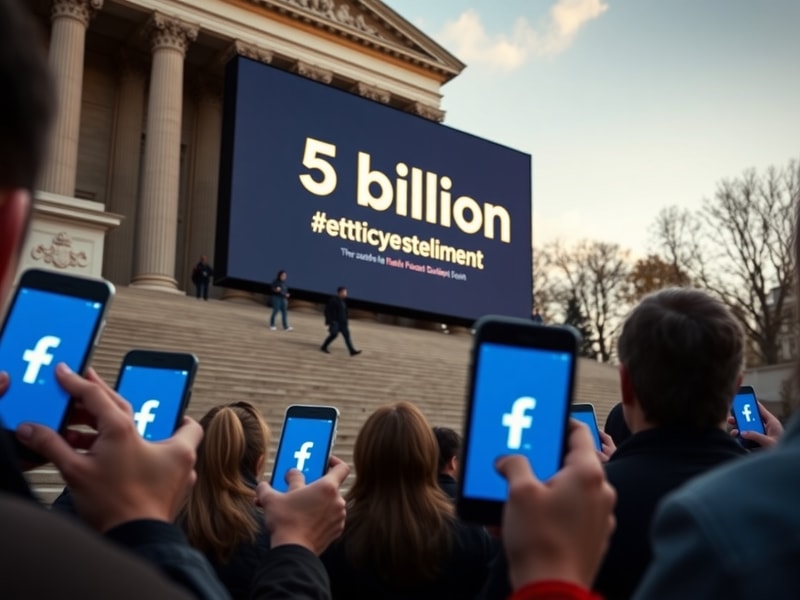
Facebook Privacy Settlement: $725M Agreement Explained
“`html
Facebook User Privacy Settlement: What It Means for You
Meta, formerly known as Facebook, has reached a landmark settlement addressing long-standing concerns about user privacy. The agreement, valued at $725 million, resolves allegations that the company improperly shared user data with third-party developers without explicit consent. This settlement is one of the largest in U.S. history for a privacy-related case, underscoring the growing scrutiny over how social media platforms handle personal information.
The agreement stems from a class-action lawsuit filed in 2018, shortly after the Cambridge Analytica scandal exposed the misuse of data from millions of Facebook users. While Meta has denied any wrongdoing, the settlement serves as a resolution without admitting fault. For users affected by the improper data sharing, this agreement offers a pathway to compensation while setting a precedent for future privacy regulations.
The Background: How We Got Here
The roots of this settlement trace back to 2013, when Aleksandr Kogan, a psychology researcher, developed a personality quiz app called “This Is Your Digital Life.” Approximately 300,000 users installed the app, but the real issue arose when Kogan harvested data not only from those users but also from their friends—totaling about 87 million profiles. This data was later shared with Cambridge Analytica, a political consulting firm that used it to target voters during the 2016 U.S. presidential election.
The fallout was immediate. Investigations revealed that Facebook had known about the data leak for years but failed to notify users or take adequate action to prevent further misuse. Public outrage forced Mark Zuckerberg to testify before Congress, and regulators worldwide began scrutinizing the company’s data practices. The lawsuit that followed became a cornerstone in the broader conversation about digital privacy rights, pushing lawmakers to reconsider existing regulations.
This case also highlighted the vulnerabilities in Facebook’s (now Meta’s) data-sharing policies. The company allowed third-party developers to access user data under the guise of enhancing app functionality, but the lack of oversight enabled widespread exploitation. The settlement aims to address these failures by compensating affected users and implementing stricter data controls.
Key Takeaways from the Settlement
The Facebook user privacy settlement includes several critical components that impact users, regulators, and the tech industry as a whole. Below are the most significant aspects of the agreement:
- Compensation for Affected Users: Eligible users can claim up to $450, depending on their level of involvement in the Cambridge Analytica scandal. Payments are expected to begin in mid-2024, though the exact process for claiming funds has not yet been finalized.
- Stricter Data Controls: Meta has agreed to implement additional safeguards to prevent unauthorized data sharing. This includes more transparent consent mechanisms and stricter oversight of third-party developers.
- Ongoing Monitoring: A third-party firm will oversee Meta’s compliance with the settlement terms for at least five years, ensuring the company adheres to the agreed-upon privacy standards.
- No Admission of Guilt: While Meta has agreed to the settlement, the company maintains that it did not violate any laws. This clause is common in class-action lawsuits, allowing the company to avoid a costly trial while still providing restitution to users.
The settlement also underscores the growing power of class-action lawsuits in holding corporations accountable for privacy violations. Unlike regulatory fines, which often go unnoticed by the public, settlements like this one directly impact users by providing tangible compensation and forcing companies to change their practices.
The Broader Implications for Tech and Privacy
This settlement arrives at a pivotal moment for the tech industry, where privacy concerns are increasingly shaping consumer trust and regulatory action. Meta’s agreement with U.S. regulators could set a precedent for similar cases targeting other major platforms, such as Google, Twitter, and TikTok. If courts continue to side with plaintiffs in privacy-related lawsuits, companies may face greater financial and operational risks for failing to protect user data.
For consumers, the settlement serves as a reminder of the importance of digital literacy. Many users remain unaware of how their data is collected, shared, and monetized by social media platforms. While the settlement offers compensation to those affected by the Cambridge Analytica scandal, it also highlights the need for users to take proactive steps to safeguard their privacy. Simple measures, such as adjusting privacy settings, limiting third-party app access, and staying informed about data policies, can reduce exposure to similar risks in the future.
Regulators are also taking note. The Federal Trade Commission (FTC) has signaled that it will continue to prioritize privacy enforcement, particularly in cases involving minors or sensitive data. The European Union’s General Data Protection Regulation (GDPR) has already established strict penalties for data mishandling, and U.S. lawmakers are considering similar legislation. The Facebook settlement could accelerate these efforts, pushing Congress to pass comprehensive privacy laws that protect users across all platforms.
What’s Next for Facebook and Its Users
For Meta, the settlement represents both a financial burden and an opportunity to rebuild trust. The company has already begun overhauling its privacy practices, including simplifying its terms of service and introducing clearer data controls. However, critics argue that these changes are merely surface-level fixes rather than fundamental shifts in how the company operates.
Users, meanwhile, will need to stay vigilant. While the settlement provides compensation to those affected by the Cambridge Analytica scandal, it does not address ongoing concerns about Meta’s data practices. The company continues to collect vast amounts of user data through its suite of apps, including Instagram and WhatsApp, raising questions about how this information is used for advertising and targeted content.
For a deeper understanding of how social media platforms influence privacy and digital rights, explore our Technology and News sections. These categories provide ongoing coverage of tech industry trends, regulatory changes, and privacy advocacy efforts that shape the digital landscape.
What You Can Do Now
If you’re concerned about your digital privacy, consider taking these steps:
- Review Your Privacy Settings: Meta provides tools to limit ad tracking and restrict third-party app access. Navigate to your Facebook settings to customize these options.
- Limit Data Sharing: Be cautious about the apps and websites you connect to your social media accounts. Unused or outdated connections can become entry points for data exploitation.
- Stay Informed: Follow updates from privacy advocacy groups and regulatory bodies to understand your rights and the latest threats to digital security.
- Use Strong Passwords: Enable two-factor authentication on all accounts and use unique passwords to prevent unauthorized access.
The Facebook user privacy settlement is a landmark moment, but it is only one step in the ongoing effort to protect digital rights. As technology evolves, so too must the safeguards that govern it. Whether through legal action, corporate accountability, or user awareness, the fight for privacy is far from over.
For further reading on tech-related legal battles and privacy advocacy, visit our Analysis section, where we dissect the implications of major industry developments.