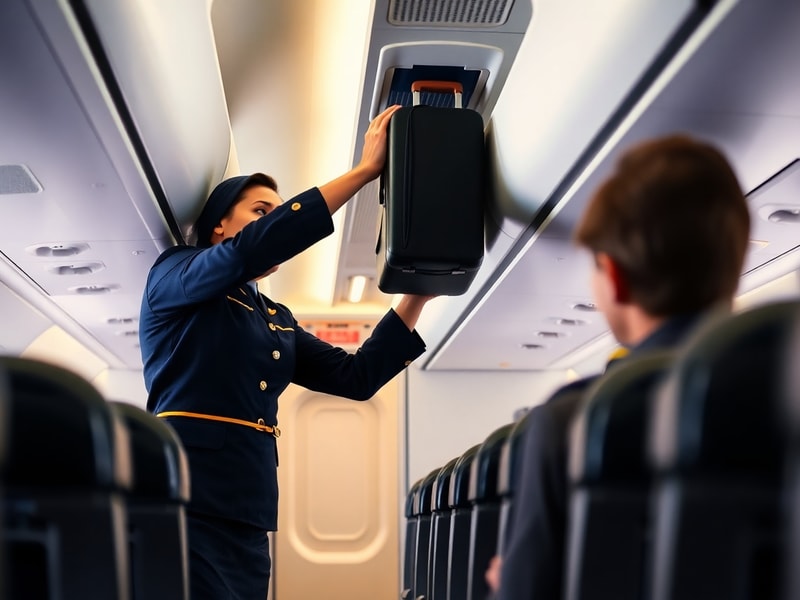
The cabin door closes. Engines roar to life. Outside the window, the tarmac blurs as the aircraft accelerates. For most passengers, this moment marks the beginning of a journey. But for the flight attendant standing at the front of the cabin, it’s the start of another shift—one defined by precision, adaptability, and quiet leadership.
Flight attendants are often seen as smiling faces offering beverages or demonstrating safety procedures. While those duties are part of the role, they represent only a fraction of what these professionals manage daily. Behind the polished uniforms and calm demeanor lies a high-stakes job that blends customer service, emergency response, cultural mediation, and logistical coordination—all while cruising at 35,000 feet.
The Hidden Responsibilities Beyond the Seatback Tray
Most travelers associate flight attendants with meal service and safety briefings. However, their responsibilities begin long before takeoff and continue after landing. Flight attendants participate in pre-flight briefings with pilots and crew, reviewing weather conditions, potential turbulence, and any special passenger needs. They inspect emergency equipment, check galley supplies, and coordinate with ground staff to ensure a smooth boarding process.
Once in the air, their role shifts dynamically. They monitor cabin pressure, oxygen levels, and temperature. They respond to medical emergencies—often with limited equipment—administering first aid, coordinating with medical professionals on the ground, and sometimes making critical decisions about whether to divert the flight. According to the Federal Aviation Administration (FAA), flight attendants receive more medical training than many first responders, including CPR, defibrillator use, and oxygen administration.
Conflict resolution is another key duty. Flight attendants regularly mediate disputes between passengers, enforce airline policies, and manage disruptive behavior. In 2023, the FAA reported a 60% increase in unruly passenger incidents compared to pre-pandemic levels. This rise has placed even greater emphasis on the de-escalation and enforcement skills of flight attendants, who must balance firmness with diplomacy in a confined, high-pressure environment.
Emergency Preparedness: More Than Just a Demo
Safety demonstrations are routine, but their real purpose is preparation for the unexpected. Flight attendants train extensively in emergency procedures, including evacuations, fire suppression, and water landings. They learn how to handle smoke-filled cabins, manage door malfunctions, and guide passengers to exits in darkness or zero visibility.
Every airline conducts regular emergency drills. Flight attendants must demonstrate proficiency in using emergency exits, life rafts, and flotation devices. They also train in crowd control techniques to prevent panic during an evacuation. These drills aren’t theoretical—they’re rehearsed until muscle memory takes over, because in an emergency, there’s no time for hesitation.
The training doesn’t end after initial certification. Flight attendants undergo recurrent training every 12 months, covering new regulations, updated equipment, and refresher courses on everything from hazardous materials to human trafficking indicators. The latter has become a growing focus, with flight attendants trained to recognize signs of trafficking and report concerns discreetly to authorities.
From Uniform Fitting to Global Readiness: The Training Journey
Becoming a flight attendant isn’t as simple as applying online and attending a two-week course. Most airlines require candidates to complete a rigorous training program that lasts between 4 and 8 weeks. These programs are intense, often unpaid, and designed to test both physical and mental endurance.
Training curricula vary by airline but typically include:
- Regulatory Knowledge: FAA, EASA, or other aviation authority standards, including cabin safety, security, and emergency procedures.
- First Aid & CPR: Certification in advanced first aid, including use of AEDs and oxygen systems.
- Customer Service Excellence: Handling diverse passengers, managing complaints, and maintaining professionalism under stress.
- Cultural Competency: Training in cross-cultural communication, recognizing language barriers, and adapting service styles.
- Physical Fitness: Endurance tests, including standing for long hours, lifting emergency equipment, and maneuvering in tight spaces.
- Language Proficiency: Fluency in multiple languages is highly valued, especially for international carriers.
The selection process is equally demanding. Candidates undergo multiple interviews, role-playing scenarios, and group assessments. Airlines look for individuals who exhibit emotional intelligence, resilience, and a genuine desire to serve. Many applicants are surprised by the emphasis on psychological readiness—handling fatigue, jet lag, and the emotional toll of dealing with difficult passengers is as important as technical skills.
Once hired, new flight attendants often start on reserve status, meaning they’re on-call and must be available within a short timeframe. This unpredictability can disrupt personal life, making the job less suitable for those who need structured schedules. Seniority determines route assignments, vacation time, and base locations, so career progression can take years.
The Psychological Toll: Isolation, Jet Lag, and Emotional Labor
While the job offers travel perks and a dynamic work environment, it comes with significant psychological challenges. Flight attendants frequently report feelings of isolation, especially when away from family for extended periods. The irregular schedule—often involving overnight flights and back-to-back trips—disrupts circadian rhythms, leading to chronic fatigue and sleep disorders.
Emotional labor is another hidden burden. Flight attendants are expected to maintain a calm, cheerful demeanor regardless of passenger behavior. This can lead to emotional exhaustion, particularly when dealing with abusive or entitled passengers. A 2022 study by the Harvard Business Review found that flight attendants experience higher rates of burnout compared to other customer service roles due to the combination of physical demands and emotional regulation.
Moreover, the job requires constant vigilance. Flight attendants must be alert to subtle changes in passenger behavior, cabin pressure, and equipment status—all while managing their own fatigue. The FAA mandates rest periods between flights, but the reality often falls short of the ideal, especially during peak travel seasons.
The Rewards: A Career Unlike Any Other
Despite the challenges, many flight attendants find deep fulfillment in their roles. The opportunity to travel the world, meet people from diverse backgrounds, and contribute to global connectivity is unparalleled. Flight attendants often describe the job as a lifestyle rather than a career—a series of experiences that shape their worldview.
There’s also a sense of pride in the role. Flight attendants are often the first responders in medical emergencies, the calming presence in turbulence, and the enforcers of safety in chaotic situations. Their work directly impacts passenger well-being and airline reputation. In an era where air travel is increasingly scrutinized, their professionalism and dedication are more critical than ever.
For those considering the profession, the key is preparation. Researching airline expectations, understanding the training commitment, and reflecting on personal resilience are essential steps. Speaking with current flight attendants—through platforms like Dave’s Locker’s travel community—can provide invaluable insights into the realities of the job.
Looking Ahead: The Future of Flight Attendant Roles
The aviation industry is evolving, and so are the demands on flight attendants. Sustainability initiatives are prompting airlines to rethink cabin service, with some reducing single-use plastics and others testing plant-based meal options. Flight attendants are at the forefront of implementing these changes while maintaining high service standards.
Technology is also transforming the role. Airlines are investing in AI-driven customer service tools, but human interaction remains irreplaceable. Flight attendants are increasingly called upon to manage digital platforms, assist with mobile check-ins, and troubleshoot in-flight connectivity issues. This shift requires ongoing tech training and adaptability.
Another emerging trend is the focus on mental health and well-being. Airlines are introducing wellness programs, peer support networks, and mental health training for crew members. Recognizing the toll of the job, some carriers now offer counseling services and stress management workshops.
The COVID-19 pandemic reshaped air travel, and its effects linger. Flight attendants adapted to enhanced cleaning protocols, health screenings, and new safety routines. While passenger confidence has largely returned, the lessons from the pandemic have reinforced the importance of adaptability and crisis management in the profession.
As airlines expand fleets and routes, the demand for skilled flight attendants remains strong. According to the U.S. Bureau of Labor Statistics, employment of flight attendants is projected to grow 11% from 2022 to 2032—faster than the average for all occupations. This growth reflects the resilience of the aviation industry and the essential role flight attendants play in its success.
Final Thoughts: More Than Meets the Eye
Flight attendants are the unsung heroes of the skies. Their work extends far beyond serving drinks or demonstrating seatbelts. They are first responders, cultural ambassadors, safety officers, and emotional anchors for thousands of passengers every day. Their training is rigorous, their schedules are demanding, and the emotional toll can be significant—but the rewards are equally profound.
For those drawn to a career that combines adventure, service, and challenge, becoming a flight attendant offers a unique path. It’s a job that demands everything from you but gives back in experiences, skills, and a sense of purpose that few professions can match.
If you’re considering this career, start by researching airlines that align with your values and lifestyle. Prepare for the training process with both physical and mental readiness. And remember—behind every safe flight, every resolved conflict, and every comforting presence in the cabin, there’s a flight attendant doing the work that keeps the world connected.