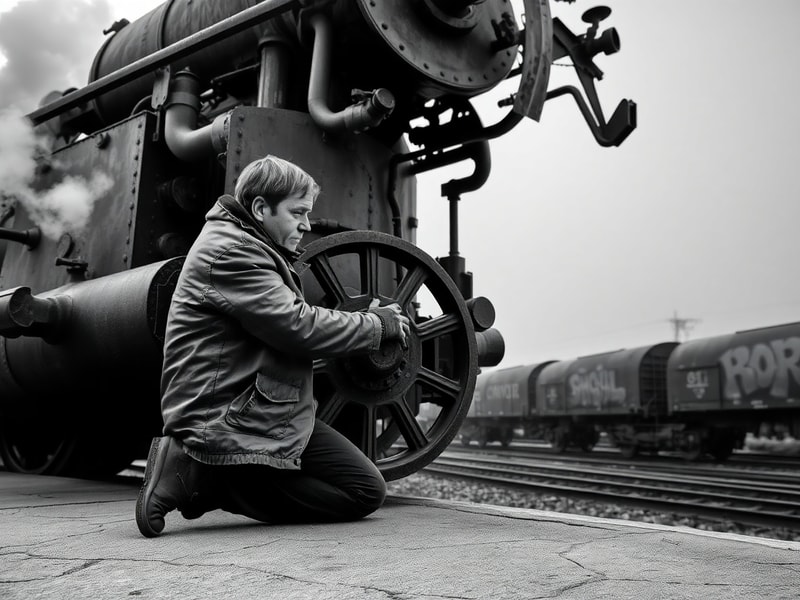
Trainspotting: The History and Culture of Rail Enthusiasts
“`html
Trainspotting: From Subculture to Global Obsession
The term trainspotting evokes images of rail enthusiasts standing on platforms, eyes fixed on passing locomotives, notebooks in hand. What began as a niche hobby in 19th-century Britain has evolved into a multifaceted phenomenon, blending passion, technology, and community across generations. Far from mere hobbyists, trainspotters range from casual observers to meticulous historians documenting every locomotive model.
The hobby’s appeal lies in its simplicity: it requires little more than a keen eye, a camera, or a smartphone. Yet behind this simplicity lies a deep well of knowledge about rail systems, engineering marvels, and the stories behind each train. Trainspotting has transcended its origins, becoming a global pastime with dedicated events, online forums, and even travel itineraries built around railway lines.
The Origins and Evolution of Trainspotting
Trainspotting’s roots trace back to the early days of rail travel in the 1800s. As steam locomotives became symbols of industrial progress, enthusiasts began documenting their journeys. The first known trainspotting clubs emerged in the UK during the 1930s, where enthusiasts met to exchange notes on locomotive designs and routes.
By the mid-20th century, trainspotting had become a mainstream hobby in Europe and North America. Children and adults alike would gather at stations, armed with spotters’ guides and binoculars, eager to identify passing trains. The rise of diesel and electric locomotives in the 1960s and 70s further fueled the hobby, as enthusiasts tracked the transition from steam to modern rail technology.
Today, trainspotting has embraced digital tools. Websites like Trains & Railways on Dave’s Locker offer resources for enthusiasts to log sightings, share photos, and connect with others worldwide. Social media platforms have also played a role, with Instagram and YouTube channels dedicated to showcasing rare locomotives and scenic rail journeys.
Why Do People Love Trainspotting?
The appeal of trainspotting is as diverse as the hobby itself. For some, it’s a nostalgic connection to childhood memories of watching trains roll by. Others are drawn to the technical aspects of locomotives, from the roar of a steam engine to the sleek design of high-speed trains. Trainspotting also offers a sense of adventure, as enthusiasts travel to remote locations in search of unique rail experiences.
There’s also a social dimension. Trainspotting communities thrive on shared knowledge and camaraderie. Enthusiasts often meet at stations or rail events, swapping stories and tips. Online forums provide a space for discussion, where members debate obscure locomotive models or plan group outings. The hobby fosters connections across generations, with veterans mentoring newcomers eager to learn.
Here are some reasons people are drawn to trainspotting:
- Historical Connection: Trainspotting offers a tangible link to the past, allowing enthusiasts to witness the evolution of rail technology firsthand.
- Technical Fascination: From the mechanics of a steam engine to the aerodynamics of a bullet train, the technical details captivate many.
- Travel and Exploration: Enthusiasts often visit scenic rail routes or historic stations, turning hobbyist trips into memorable adventures.
- Community and Collaboration: The shared passion creates bonds, whether in person or online, uniting people from all walks of life.
Trainspotting in the Digital Age
The digital revolution has transformed trainspotting into a global phenomenon. Smartphones and apps now allow enthusiasts to log sightings, track rail schedules, and share photos instantly. Websites like Trains & Railways serve as hubs for information, offering guides to locomotives, rail maps, and event calendars.
Social media has amplified the hobby’s reach. Platforms like Instagram and TikTok feature stunning rail photography and videos, inspiring new generations of enthusiasts. YouTube channels dedicated to trainspotting showcase everything from model trains to real-life locomotive adventures, attracting millions of viewers.
Yet, the digital age hasn’t replaced traditional trainspotting. Many enthusiasts still prefer the tactile experience of standing on a platform, feeling the ground vibrate as a train approaches. The thrill of spotting a rare locomotive in person remains unmatched, even in an era of instant gratification.
The Future of Trainspotting
As rail technology continues to advance, so too does the hobby of trainspotting. High-speed rail networks, such as Japan’s Shinkansen or Europe’s TGV, present new challenges and opportunities for enthusiasts. The rise of maglev trains and hyperloop technology may soon add even more excitement to the scene.
Environmental concerns are also shaping the future of trainspotting. As rail travel gains popularity as a sustainable alternative to cars and planes, enthusiasts are increasingly focused on documenting eco-friendly locomotives and green rail initiatives. The hobby is evolving to reflect broader societal shifts, proving its relevance in an ever-changing world.
Looking ahead, trainspotting is poised to remain a vibrant and dynamic hobby. Whether through digital tools, community events, or traditional platform vigils, the passion for trains shows no signs of fading. It’s a hobby that bridges generations, cultures, and technologies, offering something for everyone.
Conclusion
Trainspotting is more than just a hobby—it’s a celebration of human ingenuity, history, and community. From its humble beginnings in 19th-century Britain to its modern-day digital incarnations, trainspotting has adapted and thrived. It invites enthusiasts to slow down, observe, and appreciate the marvels of rail travel.
As technology and society evolve, trainspotting will continue to find new ways to engage and inspire. Whether you’re a seasoned enthusiast or a curious newcomer, there’s never been a better time to explore the world of trains. Grab a camera, check the schedule, and join the ranks of those who find joy in the rhythm of the rails.