How Alaska Air Became a Global Aviation Success Story
“`html
From Frontier Service to Industry Benchmark
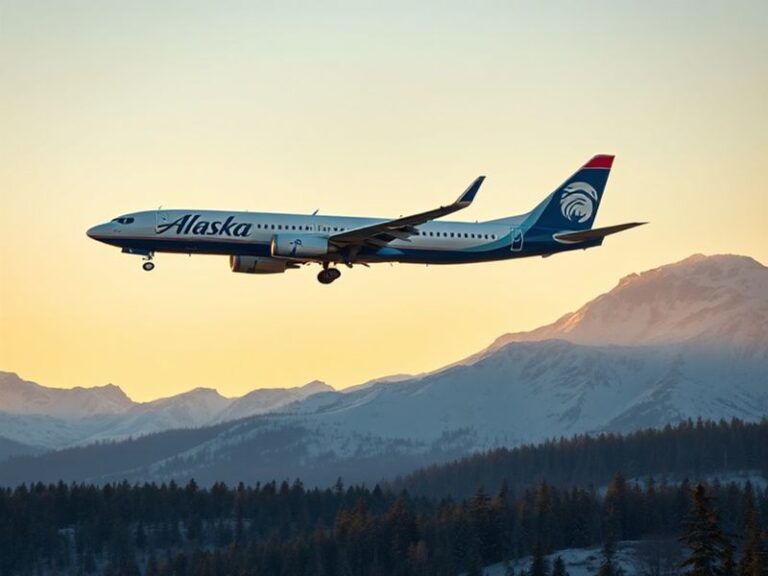
Alaska Air Group has transformed from a modest regional carrier into one of the most respected airlines in North America. Founded in 1932 as McGee Airways, it began with a single aircraft serving Anchorage’s muddy streets. Today, it operates a fleet of over 300 aircraft, connecting more than 120 destinations across the United States, Mexico, Canada, and Costa Rica.
What sets Alaska Air apart is not just its size but its operational consistency. While legacy carriers in the U.S. have struggled with labor disputes and financial turbulence, Alaska Air has maintained profitability for over two decades. In 2023, it reported a net income of $580 million, a remarkable feat in an industry known for razor-thin margins. This performance has drawn attention from aviation analysts worldwide, positioning the airline as a model of efficiency and customer focus.
The Secret Behind the Brand’s Resilience
At the core of Alaska Air’s success is a culture rooted in community engagement. Unlike many airlines that prioritize cost-cutting over customer experience, Alaska Air has invested heavily in loyalty programs and localized service. Its Mileage Plan, launched in 1982, remains one of the most valuable frequent flyer programs in the industry, offering generous redemption options and no blackout dates.
The airline’s commitment to sustainability also plays a key role in its global reputation. In 2021, Alaska Air became one of the first U.S. carriers to commit to net-zero carbon emissions by 2040. This goal aligns with growing consumer demand for environmentally responsible travel, particularly among younger demographics. The airline has invested in sustainable aviation fuel (SAF) and fleet modernization, reducing its carbon footprint by 20% since 2012.
A Fleet Built for the Future
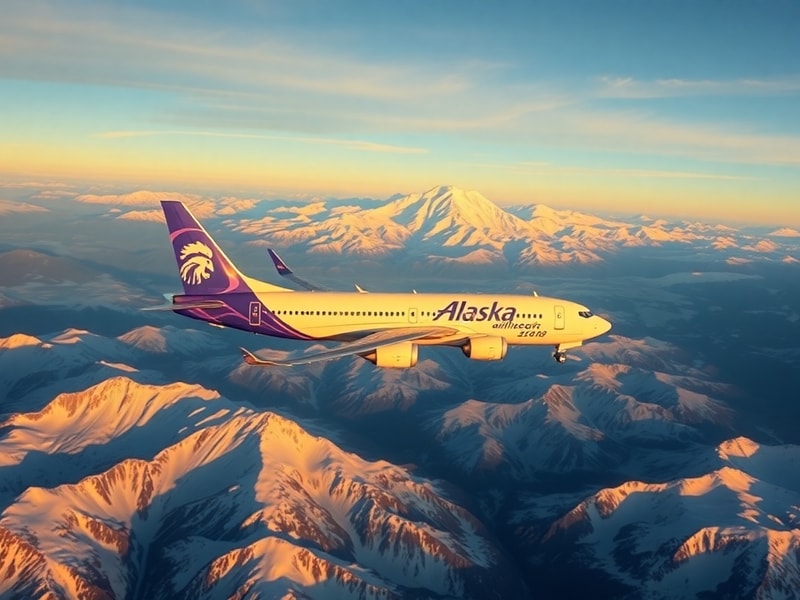
Alaska Air’s fleet strategy reflects its forward-thinking approach. The airline was an early adopter of the Boeing 737 MAX, ordering 68 aircraft before the model’s temporary grounding in 2019. Despite the setback, the airline remained confident in Boeing’s long-term viability, a decision that has since paid off. The MAX’s fuel efficiency has reduced operating costs by nearly 15%, a critical advantage in a competitive market.
The airline’s regional operations, conducted under the Horizon Air brand, also stand out. Unlike many regional carriers that rely on outdated turboprop aircraft, Horizon Air operates a fleet of Embraer E175 jets, offering a premium experience comparable to mainline service. This consistency has helped Alaska Air maintain high customer satisfaction ratings, consistently ranking above industry averages in on-time performance and baggage handling.
Cultural Impact Beyond the Skies
Alaska Air’s influence extends beyond aviation. The airline has become a cultural touchstone in the Pacific Northwest, where it is widely regarded as a point of pride. Its sponsorship of local sports teams, including the Seattle Seahawks and Portland Timbers, has embedded it in the region’s identity. This local connection contrasts with the faceless corporate branding of larger airlines, fostering a sense of loyalty that transcends typical customer relationships.
Globally, Alaska Air has also made waves. In 2022, it expanded its international reach by launching service to Belize City, its first destination in Central America. This move reflects a broader trend in the industry: airlines are increasingly looking south for growth, as rising affluence in Latin America drives demand for air travel. Alaska Air’s ability to tap into this market highlights its adaptability in an evolving global landscape.
Lessons for the Aviation Industry
Alaska Air’s story offers several key takeaways for the aviation industry. First, customer loyalty is not just about rewards points—it’s about consistency. The airline’s reliable service, even during industry-wide disruptions like the 2020 pandemic, has earned it a dedicated customer base. Second, sustainability is no longer optional. Airlines that fail to address environmental concerns risk alienating a growing segment of travelers.
The airline’s labor relations also provide a blueprint for success. Alaska Air has avoided the protracted strikes and disputes that have plagued competitors like American Airlines and United. By maintaining open communication with unions and offering competitive wages, it has fostered a stable workforce—a critical factor in an industry plagued by staffing shortages.
A Legacy of Innovation and Adaptation
As Alaska Air continues to expand, its story serves as a reminder that success in aviation is not about size but about strategy. In an era where airlines merge and consolidate, Alaska Air has thrived as an independent entity. Its focus on regional connectivity, customer service, and environmental responsibility sets it apart in a crowded market.
Looking ahead, the airline faces challenges. Rising fuel costs, geopolitical instability, and the ongoing transition to sustainable aviation pose risks. Yet, Alaska Air’s track record suggests it is well-equipped to navigate these hurdles. With a strong balance sheet and a loyal customer base, it is poised to remain a leader in the industry for years to come.
For travelers and industry observers alike, Alaska Air’s journey offers a compelling narrative of resilience and innovation. It proves that in aviation, as in any competitive field, success is not about dominating the skies—but about serving them well.
To explore more on the evolution of regional airlines, visit our Travel section. For insights into sustainable aviation trends, check out our Science category.