The profession of an astronaut represents one of the most demanding and prestigious careers in human history. These individuals are not merely pilots or scientists; they are explorers who push the boundaries of human endurance and technological possibility. The journey to become an astronaut begins with rigorous selection processes that filter candidates through layers of physical, mental, and academic testing.
NASA’s Astronaut Candidate Program, for example, typically receives thousands of applications for just a handful of positions. Candidates must hold a master’s degree in a STEM field, accumulate at least 1,000 hours of pilot-in-command time in jet aircraft, or complete two years of related professional experience. Even after selection, the training regimen is relentless. Astronauts spend years preparing for missions that may last months or even over a year in space.
The Making of an Astronaut: Training and Preparation
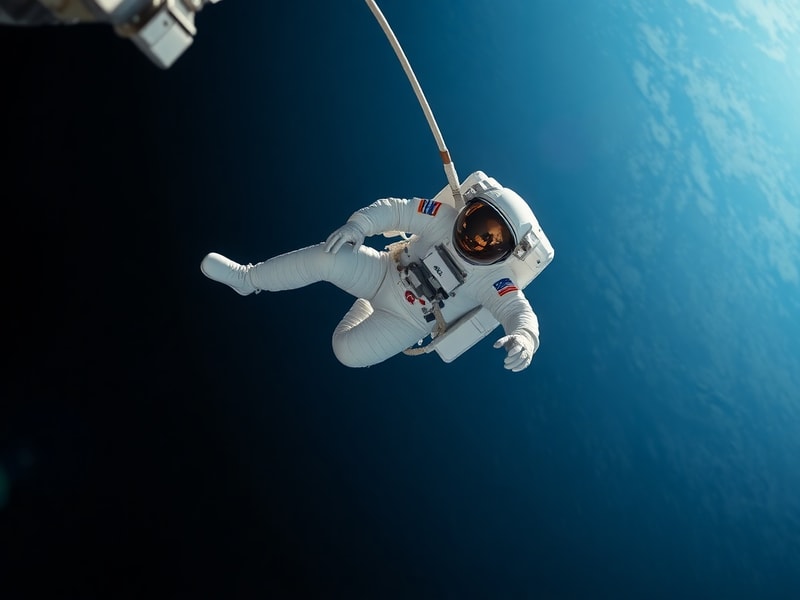
Astronaut training is a multifaceted process that blends physical endurance, technical expertise, and psychological resilience. The curriculum includes survival training, spacecraft systems mastery, and extravehicular activity (EVA) simulations. Trainees endure hours in neutral buoyancy labs, where they practice spacewalks in full spacesuits to replicate microgravity conditions.
Psychological preparation is equally critical. Astronauts undergo isolation tests, team-building exercises, and stress-management training to ensure they can function effectively in confined, high-pressure environments. The European Space Agency (ESA) and other international agencies emphasize cross-cultural training, as missions often involve multinational crews working in close quarters.
One of the most grueling aspects is the centrifuge training, where astronauts experience up to 9 G-forces to prepare for the intense acceleration during launch and re-entry. This training is essential for maintaining cognitive function and preventing blackouts during critical phases of flight.
Survival Skills Beyond Earth
Astronauts must be prepared for every contingency, including emergency landings in remote or hostile environments. Survival training often takes place in extreme environments such as deserts, jungles, or frozen tundras. These exercises teach astronauts how to secure shelter, procure water, and signal for rescue using minimal resources.
For instance, NASA’s wilderness survival training at the National Outdoor Leadership School includes lessons in orienteering, first aid, and fire-making—skills that could mean the difference between life and death in an off-course landing scenario. The training underscores a fundamental truth about spaceflight: astronauts are not just passengers; they are problem-solvers who must adapt to the unexpected.
The Daily Life of an Astronaut in Space
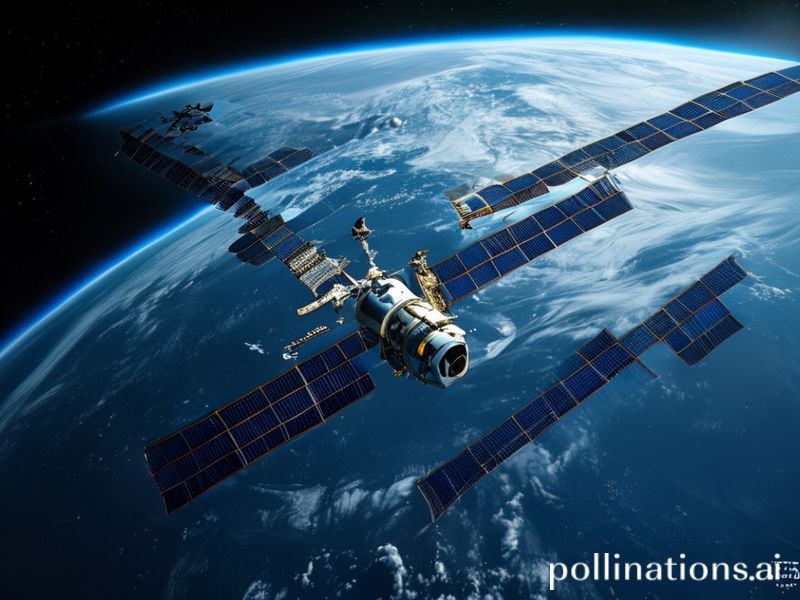
Life aboard the International Space Station (ISS) is a far cry from the glamorous image often portrayed in popular media. Astronauts follow a tightly scheduled routine that includes scientific research, equipment maintenance, and physical exercise to counteract muscle atrophy and bone density loss. A typical day begins with a morning briefing, followed by several hours of conducting experiments in fields such as biology, physics, and materials science.
Meals are a carefully curated affair, with pre-packaged food designed to be nutritious and easy to prepare in zero gravity. Hydration is a constant challenge, as water is recycled from humidity, sweat, and even urine to ensure sustainability. Sleep is another critical component, with astronauts tethered to small sleep stations to prevent floating around during rest periods.
Cultural and Social Dynamics
The ISS is a melting pot of cultures, with astronauts from the United States, Russia, Japan, Europe, and Canada working side by side. This diversity brings both strengths and challenges. Communication styles, dietary preferences, and even humor can vary widely, requiring astronauts to develop a high degree of cultural sensitivity and adaptability.
Language barriers are often mitigated through the use of English as a common professional language, though Russian remains a critical skill for those working with Roscosmos, Russia’s space agency. Team dynamics are closely monitored by mission control, with psychologists on Earth tracking crew interactions to ensure harmony and productivity.
The Future of Spaceflight: What’s Next for Astronauts?
The next frontier for astronauts is the Moon and, eventually, Mars. NASA’s Artemis program aims to return humans to the lunar surface by 2026, with the goal of establishing a sustainable presence. This mission will require astronauts to adapt to a harsh environment with extreme temperature fluctuations, radiation exposure, and limited resources.
Private companies like SpaceX and Blue Origin are also revolutionizing spaceflight, offering new opportunities for civilian astronauts. SpaceX’s Inspiration4 mission in 2021 marked the first all-civilian crew to orbit Earth, demonstrating that spaceflight is no longer the exclusive domain of government-trained professionals. However, this shift raises questions about the training and preparation required for non-professional astronauts.
The Challenges of Deep Space Exploration
One of the most significant hurdles for future missions is the psychological strain of long-duration spaceflight. A journey to Mars, for example, could take six to nine months each way, exposing astronauts to prolonged isolation, confinement, and distance from Earth. NASA’s CHAPEA (Crew Health and Performance Exploration Analog) missions simulate these conditions on Earth to study the effects on crew morale and performance.
Radiation is another critical concern. Beyond Earth’s protective magnetosphere, astronauts are exposed to cosmic rays and solar radiation, which can increase cancer risks and damage the central nervous system. Innovations in spacecraft shielding and medical countermeasures are essential for mitigating these risks.
Why the Role of Astronauts Matters
Astronauts are more than symbols of human achievement; they are the driving force behind scientific discovery and technological innovation. Their work in space has led to breakthroughs in medicine, materials science, and environmental monitoring. For example, research conducted on the ISS has contributed to the development of advanced cancer treatments and improved understanding of bone loss in aging populations.
Their missions also inspire the next generation of scientists, engineers, and explorers. Programs like NASA’s Student Payload Opportunity with Citizen Science (SPOCS) allow students to design experiments that fly to the ISS, fostering a culture of curiosity and innovation.
Moreover, astronauts serve as ambassadors of international cooperation. The ISS itself is a testament to what humanity can achieve when nations collaborate, transcending geopolitical tensions to advance shared goals. In an era marked by division, the work of astronauts reminds us of our collective potential as a species.
The Legacy of Astronauts
The first astronauts, such as Yuri Gagarin and Neil Armstrong, became legends whose names are etched into history. Today’s astronauts carry on that legacy, pushing the boundaries of what is possible. Their stories of resilience, ingenuity, and courage serve as a beacon of hope in an uncertain world.
As we stand on the precipice of a new era in space exploration, the role of the astronaut remains as vital as ever. Whether it’s conducting experiments in microgravity, testing new spacecraft systems, or simply looking back at Earth from the vantage point of space, astronauts continue to redefine what it means to be human.
For those who aspire to join their ranks, the path is arduous but rewarding. It demands not only academic excellence and physical prowess but also an unyielding passion for exploration. The universe is vast, and the work of astronauts ensures that humanity is ready to meet its challenges head-on.
For more insights into space exploration and the science behind it, explore our Science category. You can also dive deeper into the history of spaceflight by visiting our Technology section.