Expanding the Beautiful Game’s Reach
The FIFA World Cup has long served as more than just a sporting event—it’s a global stage where nations unite, cultures collide, and unforgettable stories unfold. The Copa Mundial 2026, co-hosted by the United States, Canada, and Mexico, promises to push those boundaries even further. For the first time in history, the tournament will span three countries across two continents, bringing the world’s most-watched sporting spectacle to new audiences while deepening its roots in North America.
This expansion isn’t merely logistical. It reflects FIFA’s strategic vision to grow the sport’s footprint in regions where football’s popularity has lagged behind traditional powerhouses like Europe and South America. The tournament’s format has also evolved, with 48 teams competing—a significant leap from the 32-team field that has defined the World Cup since 1998. This change alone will reshape the dynamics of qualification, fan engagement, and media coverage.
Hosting a Continental Celebration
The decision to award the 2026 World Cup to a trio of nations wasn’t made lightly. The joint bid, led by the U.S. Soccer Federation, Canada Soccer, and the Mexican Football Federation, emphasized unity and shared infrastructure. Stadiums like MetLife in New Jersey, SoFi in Los Angeles, and Estadio Azteca in Mexico City—all iconic venues in their own right—will host matches, creating a geographically diverse experience for players and fans alike.
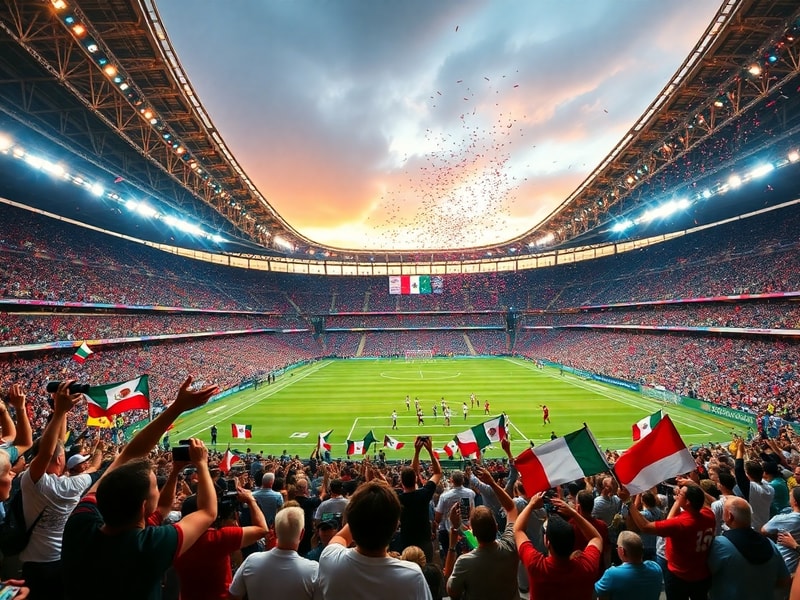
Each host country brings its own footballing identity to the tournament. Mexico, with its passionate fan culture and deep World Cup history, will provide the vibrant atmosphere that defines the sport’s soul. The U.S., with its growing soccer community and world-class stadiums, offers a blend of tradition and innovation. Canada, meanwhile, represents football’s frontier, where the sport is rapidly gaining traction. Together, they form a compelling narrative of inclusivity and growth.
Infrastructure will be a defining factor in the tournament’s success. Host cities have invested heavily in transportation, security, and fan zones, ensuring that the World Cup leaves a lasting legacy beyond the pitch. The inclusion of cities like Atlanta, Dallas, and Toronto—each with distinct cultural flavors—will give visitors a taste of North America’s diversity.
The Road to the World Cup: Qualification and New Storylines
With 48 teams competing in 2026, qualification paths have been redrawn, creating fresh narratives and increased competition. Traditional powerhouses like Brazil, Germany, and Argentina will face stiffer challenges from emerging teams in Africa, Asia, and North America. For CONCACAF nations, the expanded field means more opportunities but also greater pressure to qualify.
The qualification process itself has become a spectacle. Teams from regions like Oceania, which previously had limited World Cup representation, now have a clearer path to the tournament. Meanwhile, European and South American teams must navigate more congested qualifying groups, where every point carries heightened significance.
For fans, this means more matches, more drama, and more underdog stories to follow. The 2026 World Cup could see debutants like Guam or Kosovo making their first-ever appearance, while established nations like Italy—absent from the 2022 tournament—fight to return. The unpredictability of qualification is part of what makes the World Cup so compelling.
A Focus on Youth and Innovation
Beyond the expansion of teams, the 2026 World Cup will also spotlight youth development and technological innovation. FIFA has emphasized the role of young players in shaping the tournament’s identity, with initiatives to promote grassroots football in host nations. The inclusion of more teams means more opportunities for young talent to shine on the global stage.
Technology will play a pivotal role in 2026 as well. From VAR (Video Assistant Referee) enhancements to AI-driven fan engagement tools, the tournament will leverage advancements to improve the experience for players and spectators. The use of semi-automated offside technology, introduced in 2022, will continue to evolve, ensuring greater accuracy in critical moments.
Cultural Exchange and the Global Fan Experience
The World Cup has always been as much about culture as it is about competition. In 2026, the fusion of North American influences with global football traditions will create a unique atmosphere. Fans can expect a blend of music, art, and cuisine that reflects the diversity of the host nations and the visiting supporters.
For example, the fan zones in cities like New York and Mexico City will likely feature live music, interactive exhibits, and culinary offerings that highlight local flavors. The tournament’s official sponsors, including major brands and regional partners, will tailor their activations to resonate with different cultural sensibilities, ensuring that the World Cup feels like a celebration of global unity.
Social media will amplify this cultural exchange, allowing fans to share their experiences in real time. The hashtag #CopaMundial2026 is already gaining traction, with supporters from around the world sharing their excitement and predictions. This digital connectivity ensures that the tournament’s impact extends far beyond the stadiums.
Economic and Social Impact
The World Cup is a economic powerhouse, with host nations expecting significant returns from tourism, infrastructure, and sponsorship. According to FIFA estimates, the 2026 tournament could generate over $11 billion in revenue, with host countries reaping the benefits of increased tourism and investment.
However, the economic impact is just one piece of the puzzle. The World Cup also serves as a catalyst for social initiatives, from youth sports programs to sustainability efforts. Host cities have committed to eco-friendly practices, including carbon-neutral stadiums and waste reduction initiatives, setting a new standard for future tournaments.
In Mexico, for instance, the World Cup will spotlight efforts to modernize youth academies and improve access to football for underserved communities. In the U.S., initiatives like the “Soccer for All” campaign aim to make the sport more inclusive, reflecting the country’s diverse population.
Looking Ahead to 2026 and Beyond
The Copa Mundial 2026 is more than just a tournament—it’s a milestone in football’s evolution. By expanding the field, embracing new host nations, and leveraging technology, FIFA is redefining what the World Cup can achieve. For fans, it’s an opportunity to witness history, celebrate diversity, and experience football in all its forms.
As the countdown to 2026 begins, anticipation is building. The tournament will not only crown a new champion but also leave a lasting legacy for the sport. Whether you’re a lifelong fan or a casual observer, the World Cup offers something for everyone—a chance to connect, to marvel, and to be part of something bigger than the game itself.
For those looking to dive deeper into the world of football, Sports on Dave’s Locker offers a wealth of analysis, news, and cultural insights. From the latest transfer rumors to in-depth profiles of rising stars, it’s the perfect place to stay connected to the beautiful game.