Every four years, the World Cup transforms stadiums into theaters of national pride. But away from the pitch, a quieter cultural phenomenon unfolds in coffee shops from Tokyo to Toronto. Starbucks has quietly turned its disposable cups into a canvas for soccer fandom, blending global branding with local identity through World Cup-themed sleeves. What began as a marketing tactic has evolved into a global conversation about patriotism, consumerism, and the unexpected role of coffee chains in international sporting events.
The Origins of a Global Tradition
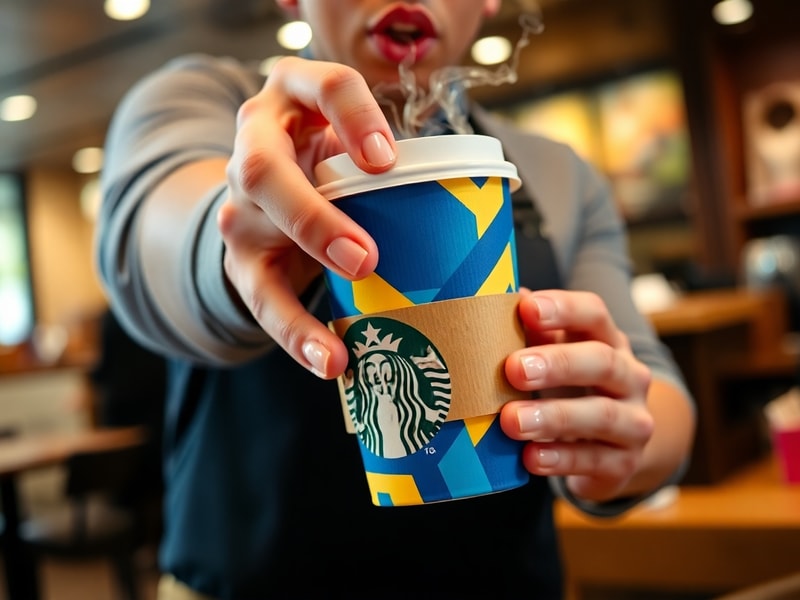
Starbucks first introduced World Cup sleeves in 2006 during the Germany tournament, but it wasn’t until 2014 in Brazil that the initiative gained real momentum. The coffee giant partnered with FIFA to create sleeves featuring each qualifying nation’s flag, colors, and sometimes even cultural motifs. Unlike limited-edition merchandise sold at premium prices, these sleeves were given free with any hot beverage purchase, making them accessible to soccer fans regardless of economic status.
This strategy proved effective for several reasons. First, it aligned Starbucks with the World Cup’s inclusive spirit. Second, it capitalized on the emotional connection fans feel toward their national teams. Third, it turned a mundane daily ritual—drinking coffee—into a subtle act of support. The sleeves became wearable declarations of allegiance, often carried into offices, classrooms, and public spaces where soccer conversations unfold.
A Canvas for Cultural Identity
What makes the Starbucks World Cup sleeves particularly fascinating is their regional diversity. While the FIFA logo and tournament branding remain consistent, the national designs reflect local aesthetics, historical references, and even political undertones. For example:
- Brazil (2014): The sleeve featured the iconic canarinho (little canary), a national symbol, alongside green and yellow gradients that evoked the Amazon and urban landscapes.
- Russia (2018): Designs incorporated matryoshka dolls and Cyrillic script, subtly nodding to the host nation’s cultural heritage while avoiding overt political messaging.
- Qatar (2022): The sleeves included geometric patterns inspired by Islamic art, a deliberate choice to honor local traditions in a tournament held in the Middle East for the first time.
These designs aren’t created in isolation. Starbucks works with local artists and designers in each host country to ensure authenticity. This collaboration has led to sleeves that feel less like corporate branding and more like public art installations—brief but meaningful tributes to the cultures hosting the world’s biggest sporting event.
The Power of Subtle Branding
Starbucks’ approach to World Cup sleeves is a masterclass in subtle marketing. By placing the sleeves on cups that are typically discarded within minutes of purchase, the company avoids the wastefulness often associated with event merchandise. Yet, the visual impact lingers. A sleeve featuring Argentina’s sky-blue and white stripes or France’s tricolor might end up on a desk in Berlin or a café in Buenos Aires, subtly reinforcing national pride while promoting Starbucks as a global brand.
This strategy also allows Starbucks to participate in the World Cup’s cultural ecosystem without overcommercializing the event. Unlike Nike or Adidas, which spend millions on player endorsements and stadium ads, Starbucks leverages its everyday presence. A fan in Lagos sipping a caramel macchiato with a Nigeria-themed sleeve isn’t just drinking coffee—they’re making a quiet statement about their support for the Super Eagles, all while Starbucks gains goodwill.
The Unintended Consequences
Of course, no cultural phenomenon exists without controversy. Some critics argue that Starbucks’ sleeves exploit global events for profit, even if the product itself isn’t sold at a premium. Others point out that the sleeves, while inclusive, still center nations with strong coffee cultures (e.g., Brazil, Italy) while giving less attention to countries where Starbucks has a smaller footprint.
There’s also the issue of waste. While the sleeves are made from recyclable materials, their single-use nature contradicts Starbucks’ own sustainability goals. The company has responded by experimenting with reusable sleeves in some markets, though these haven’t achieved the same viral appeal as the World Cup versions.
Yet, for most fans, these critiques are secondary to the emotional resonance of the sleeves. For many, holding a cup with their national flag feels like a small but tangible connection to the tournament. It’s a way to carry the World Cup with them long after the final whistle, whether they’re commuting to work or studying in a library.
Looking Ahead: The Future of Fan Merchandise
As the 2026 World Cup approaches, set to be co-hosted by the United States, Canada, and Mexico, speculation is already swirling about Starbucks’ next move. Will the sleeves incorporate elements from all three host nations? Will they feature Indigenous designs from North America, or will they play it safe with traditional flag motifs?
What’s clear is that Starbucks has tapped into a demand for low-cost, high-impact fan merchandise. In an era where viral TikTok dances and NFTs dominate sports marketing, the humble coffee cup sleeve stands out for its simplicity and universality. It’s a reminder that sometimes, the most powerful cultural artifacts aren’t the ones we pay the most for—they’re the ones we use without thinking.
As soccer continues to grow in markets like the U.S. and Asia, the role of coffee chains in shaping fan culture will only expand. Starbucks may have started as a sideline player in the World Cup’s commercial ecosystem, but its sleeves have proven that even the smallest details can leave a lasting impression.
For more on how global brands intersect with sports culture, visit our Sports and Culture sections.