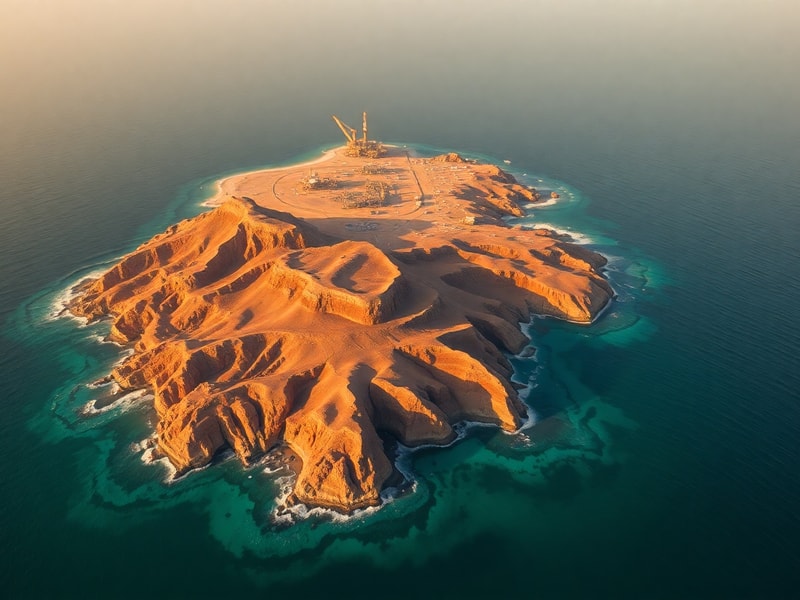
Kharg Island: Iran’s Silent Oil Powerhouse in the Persian Gulf
“`html
Kharg Island: Iran’s Strategic Oil Hub in the Persian Gulf
Tucked in the warm waters of the Persian Gulf, Kharg Island stands as a quiet but critical player in Iran’s energy infrastructure. Often overshadowed by larger geopolitical narratives, this small island carries immense strategic value due to its role as the primary oil-export terminal for the country. While its name may not dominate headlines, the island’s function in global oil markets and regional stability makes it a silent linchpin in energy security discussions.
The Geopolitical Significance of Kharg Island
Kharg Island’s location is no accident of geography. Situated about 50 kilometers northwest of Iran’s Bushehr port, it sits in a narrow shipping lane that connects the Strait of Hormuz—a chokepoint through which roughly 20% of the world’s oil passes—to the open waters of the Persian Gulf. This strategic placement gives Iran significant leverage over maritime trade flows in the region. The island’s deep-water port facilities allow it to handle large oil tankers, making it the main conduit for Iranian crude exports.
During periods of heightened regional tensions, such as the Iran-Iraq War in the 1980s, Kharg Island became a primary target for attacks. Iraqi airstrikes repeatedly targeted its oil infrastructure, aiming to cripple Iran’s ability to export oil and fund its war effort. These attacks underscored the island’s vulnerability but also its indispensability. Even today, despite sanctions and reduced export volumes, Kharg remains a symbol of Iran’s resilience in maintaining its energy lifeline.
Key Infrastructure and Operational Capabilities
Kharg Island hosts Iran’s largest offshore oil terminal, equipped with multiple loading jetties and storage tanks. The facilities allow for the simultaneous loading of multiple tankers, optimizing export efficiency. A network of underwater pipelines connects the island to Iran’s main oil fields in the southwest, including the giant Ahvaz and Gachsaran fields. This infrastructure ensures a steady flow of crude even when onshore facilities face disruptions.
The island’s operational capacity has evolved over time. Originally built in the 1960s with foreign assistance, it was later expanded and modernized to meet growing demand. During the 1970s, Kharg handled nearly all of Iran’s oil exports. While its dominance has diminished due to sanctions and the development of alternative export routes—such as pipelines to Turkey and Iraq—the island still processes a significant portion of Iran’s oil when permitted by international agreements.
Environmental and Economic Trade-offs
The concentration of oil infrastructure on a small island like Kharg presents unique environmental challenges. The island’s ecosystem is fragile, with limited freshwater resources and delicate marine habitats. Oil spills, while infrequent, pose catastrophic risks to local biodiversity, including endangered sea turtles and migratory bird species. The Iranian government has implemented safety protocols, including double-hulled tankers and strict monitoring systems, to mitigate these risks. Still, the environmental footprint remains a concern for regional environmentalists.
Economically, Kharg Island is a lifeline for Iran’s energy sector. Even under sanctions, the ability to export oil—albeit at reduced volumes—helps Iran sustain critical revenue streams. The island’s operational status often reflects broader geopolitical dynamics. For instance, during periods of eased sanctions, such as the 2015 nuclear deal, Kharg’s export levels surged. Conversely, when sanctions tightened, the island’s activity declined sharply. This ebb and flow underscore how global politics directly impact local economies.
Broader Implications for Global Energy Markets
Kharg Island’s role extends beyond Iran’s borders. Any disruption to its operations—whether due to conflict, sabotage, or natural disaster—can send ripples through global oil markets. Given the island’s position in the Strait of Hormuz, even the perception of a threat to its facilities can drive up oil prices. This geopolitical sensitivity makes Kharg a focal point in discussions about energy security and maritime stability.
Analysts often monitor Kharg’s activity as a barometer for Iran’s compliance with international agreements or its willingness to escalate tensions. For example, satellite imagery tracking tanker movements at Kharg can reveal shifts in Iran’s export strategies, such as the use of “ghost fleets” to evade sanctions. These insights are invaluable for policymakers and energy traders navigating an unpredictable market.
Future Prospects and Challenges
Looking ahead, Kharg Island faces a mix of opportunities and obstacles. On one hand, Iran is exploring ways to bypass traditional export routes. The development of the Persian Gulf Star refinery in Bandar Abbas and plans for new pipelines to Iraq and Syria aim to reduce dependence on Kharg. These projects could decentralize Iran’s oil export infrastructure, making it less vulnerable to targeted attacks or blockades.
On the other hand, sanctions and geopolitical isolation continue to constrain Kharg’s potential. The island’s aging infrastructure requires constant maintenance and upgrades, which are challenging under financial restrictions. Additionally, environmental regulations and international pressure may force Iran to adopt cleaner technologies or reduce fossil fuel dependence, further complicating the island’s long-term viability.
What Lies Ahead for Kharg Island?
Kharg Island’s future will largely depend on three factors: global oil demand, regional stability, and Iran’s ability to adapt to economic pressures. If sanctions ease, the island could see a resurgence in activity, boosting Iran’s oil revenues. Conversely, escalating tensions or environmental incidents could force a reevaluation of its role. One thing is certain: despite its small size, Kharg Island will remain a critical node in the complex web of global energy politics.
As the world transitions toward renewable energy, Kharg may eventually lose its primacy. Yet for now, it stands as a testament to the enduring power of fossil fuels and the geopolitical chessboard they create. Understanding Kharg Island is not just about studying an oil terminal; it’s about grasping the intricate connections between energy, security, and sovereignty in one of the world’s most volatile regions.
Key Takeaways About Kharg Island
- Strategic Location: Kharg Island sits near the Strait of Hormuz, making it a critical chokepoint for global oil exports.
- Oil Export Hub: It serves as Iran’s primary offshore oil terminal, handling the majority of crude exports when permitted.
- Geopolitical Leverage: Its position gives Iran influence over maritime trade, particularly during periods of regional tension.
- Environmental Risks: The island’s fragile ecosystem faces threats from oil spills and industrial activity.
- Economic Impact: Sanctions and global oil prices directly affect Kharg’s operational capacity and Iran’s revenue streams.
For those interested in the intersection of energy, geopolitics, and infrastructure, Kharg Island offers a compelling case study. Its story reflects the broader challenges and contradictions of relying on fossil fuels in an era of shifting global priorities.
To explore more on energy infrastructure and geopolitical dynamics, visit our Analysis and Politics sections for in-depth reporting and expert commentary.