reasons for slow california counting
“`html
Why California’s Vote Counting Often Takes Days to Finalize
California has long been a leader in election administration, from pioneering mail-in voting to expanding voter access. Yet despite these innovations, the state consistently ranks among the slowest in the nation when it comes to finalizing official election results. While some states report results within hours of polls closing, Californians often wait days—sometimes even weeks—to know the outcome of closely contested races. This discrepancy isn’t due to incompetence or malfeasance, but rather a combination of deliberate policy choices, demographic realities, and structural challenges that shape how elections unfold in the Golden State.
The contrast becomes especially stark during midterm and presidential elections. In 2020, for example, California’s final vote count wasn’t certified until weeks after Election Day, long after many other states had already declared winners. This pattern has fueled criticism from political observers who argue that delayed results undermine public confidence and distort narratives about election outcomes. Yet the reasons behind this delay are deeply embedded in California’s civic culture and legal framework. Understanding them requires looking beyond the surface to see how voting, counting, and certification intersect in one of America’s most populous and diverse states.
The Rise of Mail-In Voting and Its Unintended Consequences
California’s shift to universal mail-in voting began long before the COVID-19 pandemic made it a national trend. In 2016, the state passed legislation allowing any registered voter to request a mail-in ballot without an excuse. By 2020, every active voter automatically received one. While this change increased voter participation—especially among working-class and rural communities—it also introduced new complexities into the vote-counting process.
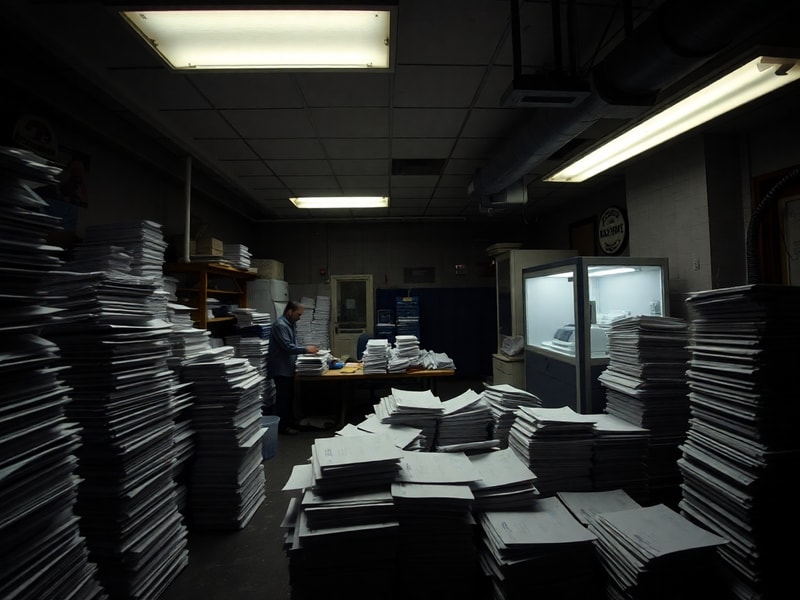
Unlike in-person voting, where ballots are cast and tabulated on the same day, mail-in votes require additional steps. Each ballot must be verified for eligibility, signatures must be matched against voter registration records, and damaged or questionable ballots may need adjudication. These safeguards are essential for election integrity, but they also extend the time it takes to process and count votes. In counties with millions of registered voters, such as Los Angeles or San Diego, even small delays in processing can ripple across the entire timeline.
Moreover, the sheer volume of mail-in ballots has strained county election offices that were not originally designed to handle such a high volume. Many counties lack the staff, equipment, or funding to process ballots at the pace seen in smaller states. While California has invested in upgrading its election infrastructure, the transition has been uneven. Some counties have adapted more quickly than others, creating disparities in how long it takes to finalize results.
The Role of Demographic and Geographic Diversity
California is not just the most populous state in the union—it’s also one of the most geographically and demographically complex. With nearly 40 million residents spread across dense urban centers, sprawling suburbs, and remote rural communities, administering elections presents unique challenges. The state’s diversity extends to its voters: nearly 70% identify as people of color, and over a third speak a language other than English at home. This diversity is a source of strength, but it also complicates the voting process.
Language accessibility, for instance, requires election materials to be translated into multiple languages. While this ensures inclusivity, it also adds layers of verification and processing time. Similarly, California’s vast and varied terrain means that ballots from rural areas—sometimes mailed from remote post offices—may arrive later than those from urban centers. Even within a single county, differences in infrastructure can affect how quickly votes are received and counted.
Another factor is the state’s transient population. California has one of the highest rates of voter mobility in the country, with millions of residents moving within or out of the state each year. This turnover requires frequent updates to voter rolls, which can slow down the process of verifying new registrations or identifying outdated addresses. When a voter moves close to an election, their mail-in ballot may be sent to the wrong address, requiring additional time to resolve.
Legal and Procedural Safeguards Slow the Process
California’s election laws are designed with transparency and fairness in mind, but they also contribute to the state’s slow vote-counting timeline. One of the most significant factors is the state’s generous postmark deadline. Unlike some states that require ballots to be received by Election Day, California allows ballots postmarked on or before Election Day to count as long as they arrive within a week. This rule is intended to protect voters who may face mail delays, but it also means that election officials must wait to process late-arriving ballots.
Additionally, California allows voters to “cure” ballots with signature mismatches or other issues. If a voter’s signature doesn’t match the one on file, election officials must notify the voter and give them an opportunity to correct the discrepancy. This process, while crucial for preventing disenfranchisement, adds days or even weeks to the counting timeline. In 2020, over 50,000 ballots in Los Angeles County alone required signature verification, delaying the certification process.
Another procedural safeguard is the state’s automatic recount law. If a race is decided by a margin of less than 0.5%, California law requires an automatic recount. While this ensures accuracy, it also extends the timeline for final results. Even in races that don’t trigger a recount, counties often prioritize close contests, further delaying the reporting of other results.
How California Compares to Other States
To understand why California’s vote counting takes so long, it’s helpful to compare it to states with faster reporting times. In 2020, Florida and Arizona reported over 90% of their votes on Election Night, while California had barely processed half of its ballots. The differences stem from several key factors:
- Ballot Processing Laws: States like Florida and Texas allow election officials to begin processing mail-in ballots before Election Day, which speeds up the counting process. California does not permit this, meaning all ballots must be processed after the polls close.
- Deadlines for Ballot Receipt: Some states, such as Colorado and Oregon, have strict deadlines for ballot receipt (e.g., Election Day or 24 hours later). California’s week-long postmark deadline gives voters more time but delays the final count.
- Use of Electronic Voting Systems: States with widespread electronic voting systems, such as Georgia and Arizona, can process and report results more quickly than California, which relies heavily on paper ballots and manual verification.
- County Resources: Smaller states with fewer counties tend to have more centralized election systems, reducing the likelihood of delays caused by uneven county resources. California’s 58 counties, each with its own election processes, create natural inefficiencies.
These differences highlight a broader tension in American election administration: the trade-off between speed and accuracy. While faster results may be desirable for political narratives and public perception, they often come at the cost of inclusivity and rigor. California’s approach prioritizes these values, even if it means waiting longer for final results.
The Cultural and Political Impact of Delayed Results
Beyond the logistical challenges, California’s slow vote counting has cultural and political implications. In a state where elections are often decided by razor-thin margins, the delay can fuel speculation about outcomes and even conspiracy theories about election integrity. Social media amplifies these narratives, with pundits and activists often declaring races “called” before official results are certified.
For candidates and campaigns, the uncertainty can be agonizing. In 2020, several congressional races in California remained unresolved for weeks, leaving candidates and voters in limbo. The prolonged uncertainty can also affect voter trust, particularly among communities that already face barriers to political participation.
Yet there’s another side to this story. California’s deliberate pace reflects a commitment to ensuring that every valid vote is counted, regardless of when it arrives. This approach has helped the state become a national leader in voter participation, particularly among historically marginalized groups. While other states may prioritize speed, California’s model emphasizes equity and thoroughness—even if it means waiting a little longer for the final tally.
Looking Ahead: Can California Speed Up Without Sacrificing Integrity?
As California continues to refine its election processes, there’s growing pressure to balance speed with the state’s long-standing commitment to inclusivity. Some reforms are already underway. For example, several counties have begun using automated signature verification systems to reduce the time spent on manual checks. Others are investing in more efficient ballot processing equipment to handle the high volume of mail-in votes.
Legislative changes could also help. Bills like AB 1346, which aims to standardize and streamline the signature verification process, have gained traction in recent years. Similarly, proposals to allow counties to begin processing mail-in ballots earlier—similar to Florida’s model—could shave days off the counting timeline without compromising security.
However, any changes must be carefully considered to avoid unintended consequences. California’s election system is a reflection of its values, and altering it risks undermining the very protections that make it a model for the rest of the country. The goal isn’t to race toward faster results at all costs, but to find ways to process votes more efficiently while maintaining the integrity and inclusivity that define California’s elections.
For now, the state’s voters will continue to wait—sometimes impatiently—for the final results. But that wait is a reminder that in California, democracy isn’t just about speed. It’s about ensuring that every voice is heard, no matter how long it takes.
To learn more about how California’s election laws compare to other states, visit our Politics section. For a deeper look at voting trends in the U.S., explore our Analysis category.
Conclusion
California’s delayed vote counting is not a sign of failure, but a reflection of the state’s commitment to election integrity and inclusivity. From its embrace of mail-in voting to its robust legal safeguards, California’s election system prioritizes accuracy over speed. While this approach may frustrate those eager for quick results, it ensures that every valid vote is counted fairly. As the state continues to evolve, the challenge will be to refine its processes without losing sight of the values that make its elections a model for the nation.
—
METADATA
{
“title”: “Why California’s Election Results Take Days to Finalize”,
“metaDescription”: “California’s mail-in voting system and legal safeguards slow down election results. Learn why the state often reports final tallies days after Election Day.”,
“categories”: [“Politics”, “Analysis”],
“tags”: [“California elections”, “mail-in voting”, “vote counting delays”, “election integrity”, “California election laws”],
“imageDescription”: “A split image showing a California voter mailing a ballot alongside election workers processing ballots in a high-tech county office. The scene contrasts the civic act of voting with the inner workings of slow but secure vote counting.”
}
—END METADATA—
“`