Portmeirion: A Whimsical Welsh Village That Feels Like a Dream
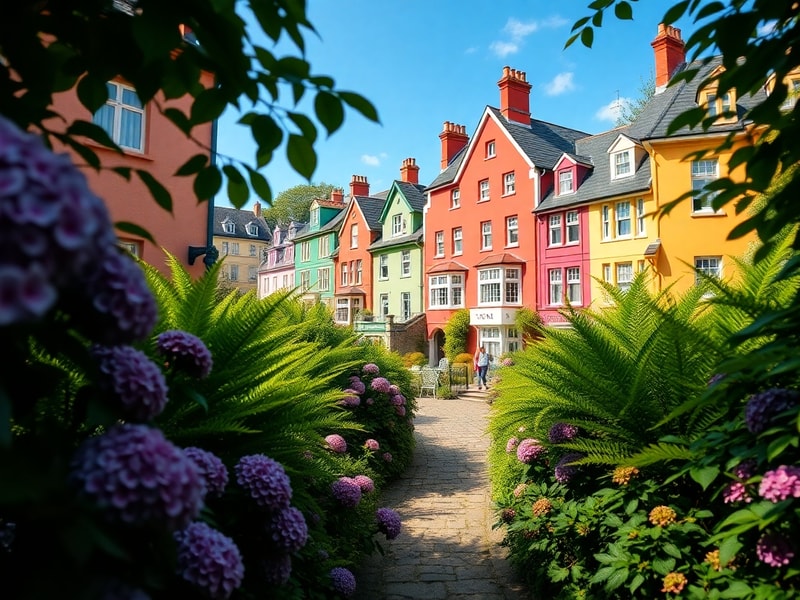
Nestled on the coast of North Wales, Portmeirion is a place that defies easy description. Built in the early 20th century by Italian architect Sir Clough Williams-Ellis, this village is a riot of color, architecture, and imagination. Its pastel-hued buildings, Mediterranean-inspired design, and unexpected flourishes—like a bell tower modeled after one in Florence and a bridge reminiscent of Venice—make it feel plucked from a storybook. Yet it’s very much real, a living tribute to its creator’s vision of a harmonious, artistic community.
Portmeirion isn’t just a tourist attraction; it’s an experience. Visitors walk through winding paths lined with exotic plants, pause at hidden courtyards, and discover architectural details that whisper of far-off places. The village has played host to films, fashion shoots, and even pop culture moments, cementing its place as a global curiosity. But beyond its photogenic charm, Portmeirion offers a quiet critique of modernism and a celebration of beauty in the everyday.
A Vision in Terracotta and Turquoise
Clough Williams-Ellis began building Portmeirion in 1925, envisioning a place where architecture and nature coexisted without pretension. He salvaged architectural fragments from across Europe—doorways from France, windows from Italy—integrating them into his designs. The result is a visual patchwork that never feels disjointed. The main building, the “Hotel Portmeirion,” stands in coral pink, while the bell tower rises in warm terracotta. Even the drainpipes are painted in cheerful colors, ensuring the eye is never bored.
The village’s layout is deliberately maze-like, encouraging exploration. Visitors often stumble upon the “Prospect Tower,” a lookout point offering sweeping views of Cardigan Bay, or the “Bristol Colonnade,” inspired by a 17th-century English courtyard. Williams-Ellis called Portmeirion a “home for lost buildings,” and the effect is undeniably transporting. It’s as if one could step from a Welsh hillside into a Mediterranean dream—without leaving the British Isles.
From Obscurity to Icon: Portmeirion’s Cultural Afterlife
Portmeirion’s fame grew slowly but surely. In 1966, it became the primary filming location for the cult television series The Prisoner, starring Patrick McGoohan. The show’s surreal, allegorical tone found a perfect match in Portmeirion’s surreal, allegorical architecture. Fans of the series still flock to the village, hoping to glimpse the iconic white balloon from the opening credits or wander the same paths as Number Six.
Beyond television, Portmeirion has inspired designers, artists, and writers. Its aesthetic influenced the look of the 1960s “Mod” movement, and its whimsy can be seen in everything from album covers to fashion editorials. The village even lent its name to a line of Italian-inspired tableware produced by the Portmeirion Group, which Williams-Ellis co-founded. Today, Portmeirion remains a pilgrimage site for those seeking beauty that feels both timeless and slightly out of time.
Not everyone has been enchanted by Portmeirion, however. Critics argue that its romanticized European influences ignore Wales’ own cultural heritage. Others point to Williams-Ellis’ aristocratic background and question whether Portmeirion is a celebration of art or a form of escapist escapism. Yet these debates only add to its intrigue, making it a place that invites interpretation rather than dictates it.
Beyond the Postcard: What to Do at Portmeirion
Portmeirion isn’t just a backdrop for photos; it’s a destination with its own rhythm. Visitors can stay overnight in the Hotel Portmeirion, a place where breakfast is served with views of the bay and every corridor feels like a gallery. The hotel’s restaurant, the “Amis Reunion,” offers locally sourced dishes, blending Welsh flavors with Mediterranean flair.
For those who prefer to explore on foot, the village’s gardens are a highlight. The “Plas Brondanw Garden,” designed by Williams-Ellis’ daughter, Susan, features terraced lawns, exotic trees, and a pond dotted with water lilies. Nearby, the “Gwyllt Garden” offers a wilder, more natural landscape, home to rare plants and sweeping coastal vistas.
Portmeirion also hosts seasonal events, from classical music concerts in the courtyard to Christmas markets that transform the village into a festive wonderland. The annual “Portmeirion Festival of Music and the Arts” attracts performers and audiences from around the world, proving that this little Welsh village still has big ideas.
For families, Portmeirion offers a sense of adventure. Children delight in spotting the village’s whimsical details, like the stone lion perched atop a gate or the miniature railway that once ran through the grounds. The “Wildlife Trust” has noted the area’s ecological diversity, making it a spot for birdwatching and coastal walks as well.
A Legacy That Transcends Borders
Portmeirion’s story is one of contradiction: a Welsh village with an Italian soul, a modernist experiment wrapped in nostalgia, a private retreat open to the public. It challenges visitors to ask what makes a place feel “real.” Is it the materials used, the history embedded in its walls, or the emotions it evokes? Portmeirion suggests that reality is flexible, that beauty can be curated, and that a single person’s vision can shape a landscape for generations.
Williams-Ellis once wrote, “I wanted to retain the grace and simplicity of the old Italian villages, and to express them in contemporary materials.” He succeeded. Portmeirion isn’t just a relic of the past; it’s a living argument for the power of imagination. In a world that often prioritizes function over form, Portmeirion reminds us that places—like people—can be both practical and poetic.
Whether you’re drawn by its television fame, its architectural daring, or simply the allure of a village that looks like it belongs on another continent, Portmeirion delivers. It’s a place where every turn reveals something new, where the sea breeze carries the scent of jasmine, and where the past feels not just remembered, but alive.
Portmeirion doesn’t just invite visitors to see; it invites them to dream. And in doing so, it becomes more than a destination. It becomes a feeling.