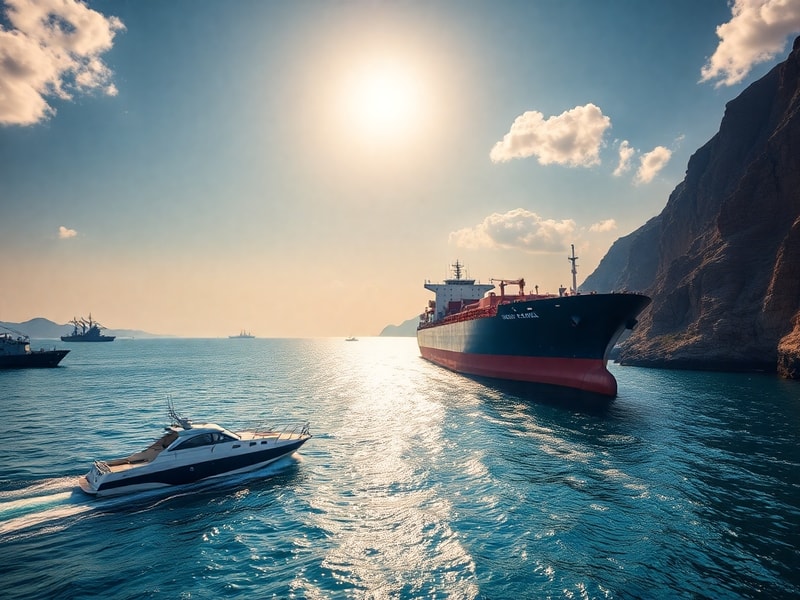
Why the Strait of Hormuz Remains a Global Energy Flashpoint
“`html
The Strait of Hormuz: A Chokepoint That Shapes Global Energy and Security
The Strait of Hormuz is more than a narrow waterway between Iran and Oman—it is a flashpoint of geopolitical tension and a critical artery for global oil trade. Approximately 20-30% of the world’s seaborne oil passes through this 21-mile-wide channel each day. Its strategic importance makes it a focal point for military posturing, diplomatic negotiations, and economic calculations.
Geopolitical Significance and Historical Context
The Strait of Hormuz has been a vital shipping route since ancient times, but its modern significance skyrocketed with the discovery of vast oil reserves in the Arabian Peninsula. The 1956 Suez Crisis highlighted the vulnerability of Middle Eastern oil transit routes, and the 1979 Iranian Revolution reinforced its role as a potential disruption point. Today, the strait remains a focal point for regional rivalries, particularly between Iran, Saudi Arabia, and Western powers.
Several key events underscore the strait’s volatility:
- Tanker Wars (1980s): During the Iran-Iraq War, both nations targeted each other’s oil tankers, disrupting shipping and raising global oil prices.
- 2019 Attacks on Tankers: Four commercial vessels were sabotaged near the strait, an incident widely attributed to Iran.
- 2021 Seizures: Iran briefly detained a South Korean tanker and a British-flagged vessel, escalating tensions with Western nations.
Economic Impact: Oil Flow and Market Reactions
Any disruption in the Strait of Hormuz sends immediate ripples through global oil markets. The U.S. Energy Information Administration estimates that a prolonged closure could remove up to 17 million barrels per day from the market—roughly 20% of global supply. This vulnerability forces nations to stockpile oil, diversify supply chains, and maintain military presence in the region.
Market reactions to strait-related tensions are often swift. In 2019, oil prices surged nearly 20% in a single day after drone attacks on Saudi oil facilities, many of which relied on Hormuz transit. Investors and policymakers closely monitor shipping data, insurance premiums, and military movements to gauge risk levels.
Military Presence and Strategic Posturing
The U.S., Iran, and other nations maintain a visible military presence in the region. The U.S. Fifth Fleet, based in Bahrain, patrols the strait to ensure freedom of navigation. Iran, meanwhile, has repeatedly threatened to block the waterway in response to sanctions or perceived threats. Its naval forces, including fast-attack boats and anti-ship missiles, provide asymmetric deterrence against larger fleets.
International efforts to safeguard shipping have included:
- Operation Sentinel: A U.S.-led maritime security initiative involving 39 nations to protect commercial vessels.
- European Maritime Awareness in the Strait of Hormuz (EMASOH): A French-led coalition monitoring the strait independently of U.S. influence.
- Joint patrols by Gulf Cooperation Council (GCC) states: Regional allies work to deter Iranian aggression while maintaining economic stability.
Broader Implications: Energy Security and Diplomatic Maneuvering
The Strait of Hormuz is not just a regional issue—it is a global concern. Europe, Asia, and the Americas all depend on its uninterrupted flow. Europe’s reliance on Middle Eastern oil has grown since the Ukraine war disrupted Russian supplies, making the strait even more critical. Meanwhile, China’s energy imports from Iran and Gulf states have increased, tying its economic stability to the strait’s security.
Diplomatic efforts to stabilize the region have struggled to gain traction. The 2015 Iran nuclear deal (JCPOA) briefly eased tensions, but U.S. withdrawal in 2018 and subsequent sanctions reignited hostilities. Track-two diplomacy, involving non-governmental actors, has seen limited success in fostering trust between Iran and its neighbors.
For now, the strait remains a powder keg—one where a single miscalculation could trigger a regional conflict with global consequences. The interplay of military power, economic interests, and diplomatic maneuvering ensures that the Strait of Hormuz will remain a defining challenge for international relations for decades to come.
Understanding its complexities is not just an academic exercise—it is essential for anyone invested in global stability. As energy demands rise and geopolitical rivalries intensify, the strait’s future will shape everything from oil prices to military alliances.
For further reading on related topics, explore our News and Analysis sections for deeper insights into energy and security dynamics.