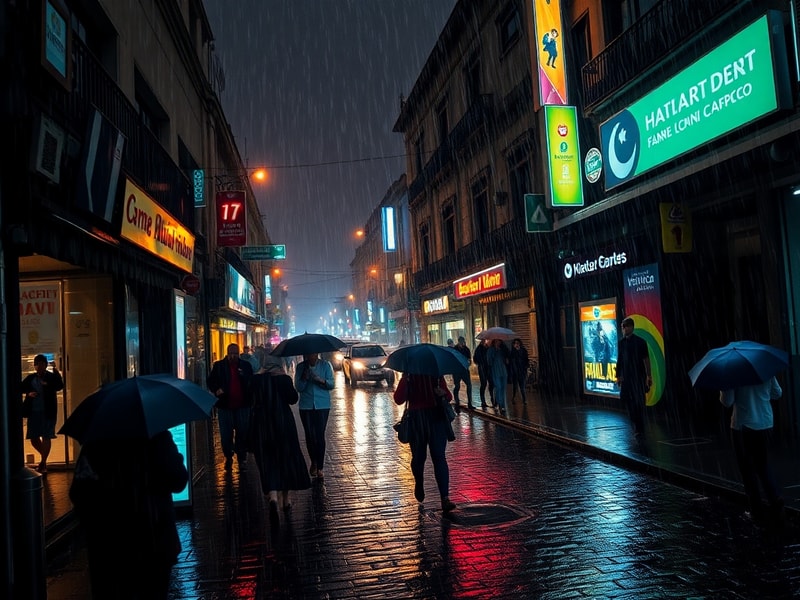
What Is Lluvia? The Science, Culture, and Impact of Rain
“`html
Understanding Lluvia: Nature’s Liquid Gift Explained
Lluvia, the Spanish word for rain, is far more than just a weather event. It is a vital component of Earth’s hydrological cycle, a cultural symbol in many societies, and a force that shapes ecosystems, agriculture, and human civilization. From the gentle patter of droplets on parched soil to the torrential downpours that reshape landscapes, lluvia embodies both life-giving sustenance and destructive power. This article explores the scientific, cultural, and practical dimensions of lluvia to reveal why it remains one of nature’s most essential phenomena.
The Science Behind Lluvia: How Rain Forms and Falls
At its core, lluvia begins with the evaporation of water from oceans, lakes, and rivers. As warm air rises, it carries moisture into the atmosphere, where it cools and condenses into tiny water droplets around microscopic particles like dust or salt. These droplets cluster together to form clouds, which are essentially vast reservoirs of suspended water. When the droplets grow heavy enough—typically through collision and coalescence—they overcome air resistance and fall as lluvia.
Several factors influence the intensity and duration of lluvia. Temperature, humidity, and atmospheric pressure play critical roles. For instance, warm, moist air rising rapidly over mountains can produce intense orographic rainfall, where rain falls heavily on one side of a mountain range while the other side remains dry. Similarly, weather systems like monsoons or tropical cyclones generate prolonged periods of lluvia, often with devastating consequences.
Understanding lluvia also requires examining its variability. Some regions experience predictable seasonal rains, such as the monsoons in India or the rainy seasons in Central America. Others face unpredictable downpours linked to climate change, where shifting global weather patterns lead to sudden, extreme rainfall events. Scientists use advanced models and satellite data to predict lluvia patterns, helping communities prepare for floods, droughts, and water shortages.
Lluvia in Culture: Symbolism and Traditions Across the Globe
Beyond its scientific significance, lluvia holds deep cultural meaning in numerous societies. In Latin America, lluvia is often celebrated in music, poetry, and folklore. For example, the Mexican folk song “Lluvia” by Los Panchos romanticizes rain as a bringer of renewal and love. Similarly, in Andean cultures, lluvia is associated with Pachamama, the earth goddess who nourishes crops and sustains life.
In other parts of the world, lluvia carries different connotations. In Japan, the concept of “ame” (rain) is woven into art, literature, and even seasonal festivals like Tsuyu, the rainy season that marks the transition from spring to summer. Japanese haiku poets often use lluvia as a metaphor for transience and melancholy, reflecting the fleeting nature of life. Meanwhile, in West African traditions, lluvia is a symbol of fertility and abundance, celebrated in rituals that honor ancestral spirits and agricultural cycles.
Lluvia also appears in religious and spiritual contexts. In Christianity, rain is sometimes seen as a divine blessing or a sign of judgment, as in the biblical story of Noah’s Ark. Indigenous traditions across the Americas view lluvia as a sacred force that connects the earthly and spiritual realms. These cultural interpretations highlight lluvia’s role not just as a physical phenomenon but as a powerful symbol of renewal, cleansing, and life.
The Practical Impact of Lluvia: Agriculture, Water Supply, and Challenges
For farmers, lluvia is both a lifeline and a challenge. In regions dependent on rain-fed agriculture, such as sub-Saharan Africa or parts of India, lluvia determines crop yields and food security. A good rainy season can mean prosperity, while a delayed or scant lluvia can lead to famine. Techniques like rainwater harvesting and drought-resistant crops have emerged as ways to mitigate the risks of unpredictable lluvia patterns.
On the flip side, excessive lluvia can cause flooding, landslides, and infrastructure damage. Urban areas are particularly vulnerable due to impervious surfaces like concrete, which prevent water absorption and lead to flash floods. Cities like Mumbai and Jakarta have grappled with severe flooding during monsoon seasons, prompting investments in drainage systems and early warning systems. Meanwhile, rural communities face soil erosion and nutrient loss when heavy lluvia washes away topsoil.
Water supply management is another critical aspect of lluvia’s impact. Many cities rely on rainfall to replenish reservoirs and groundwater sources. For example, São Paulo, Brazil, depends on seasonal rains to fill its Cantareira system, which supplies water to millions. When lluvia falls short, as it did during the 2014-2017 drought, cities face water rationing and economic strain. These challenges underscore the need for sustainable water management strategies that account for the variability of lluvia.
Key Challenges Linked to Lluvia
- Flooding: Urban and rural areas alike struggle with flooding, which damages homes, disrupts transportation, and spreads waterborne diseases.
- Droughts: Prolonged absence of lluvia leads to water shortages, affecting agriculture and public health.
- Soil Erosion: Heavy rains strip away fertile topsoil, reducing agricultural productivity and increasing sedimentation in rivers.
- Infrastructure Strain: Roads, bridges, and buildings may not withstand extreme rainfall, leading to costly repairs and safety hazards.
Climate Change and the Future of Lluvia
Climate change is altering lluvia patterns in ways that scientists are still unraveling. Warmer temperatures increase evaporation rates, leading to more intense rainfall events. However, this doesn’t necessarily translate to more water availability. In some regions, climate change is causing lluvia to fall in shorter, more violent bursts, overwhelming drainage systems and causing flash floods. Meanwhile, other areas are experiencing prolonged droughts as rainfall patterns shift.
For example, the Mediterranean region has seen a decline in annual rainfall, exacerbating water scarcity in countries like Spain and Italy. Conversely, parts of Northern Europe have experienced heavier rainfall, leading to increased flooding in cities like Copenhagen and Hamburg. These changes pose significant challenges for policymakers, urban planners, and farmers who must adapt to an increasingly unpredictable climate.
Efforts to mitigate the impacts of climate change on lluvia include reforestation, which can help regulate rainfall patterns by restoring natural water cycles. Additionally, green infrastructure—such as permeable pavements and rain gardens—can reduce urban flooding by allowing water to absorb into the ground. On a global scale, international agreements like the Paris Climate Accord aim to reduce greenhouse gas emissions, which could stabilize rainfall patterns in the long term.
For communities on the front lines of these changes, adaptation is key. In Bangladesh, where monsoon floods are a recurring threat, early warning systems and flood-resistant housing have become essential. Similarly, in California, where droughts and wildfires are exacerbated by changing rainfall patterns, water conservation and fire management strategies are critical. These examples illustrate how societies can adapt to the evolving dynamics of lluvia in a changing climate.
Conclusion: Embracing the Power of Lluvia
Lluvia is a force that transcends its scientific definition. It is a lifeline for ecosystems, a muse for artists, a challenge for engineers, and a barometer of climate health. As rainfall patterns shift in response to climate change, understanding the complexities of lluvia becomes more important than ever. By studying its science, respecting its cultural significance, and preparing for its impacts, societies can harness the power of lluvia while mitigating its risks.
Whether you’re a farmer waiting for the next downpour, a city planner designing flood-resistant infrastructure, or simply someone who finds solace in the sound of rain, lluvia reminds us of nature’s intricate balance. It is a phenomenon that demands our attention, respect, and adaptability as we navigate an uncertain environmental future. By embracing the lessons of lluvia, we can build a more resilient and sustainable world.
For more insights into environmental phenomena and their cultural impacts, explore our Science and Culture sections on Dave’s Locker.