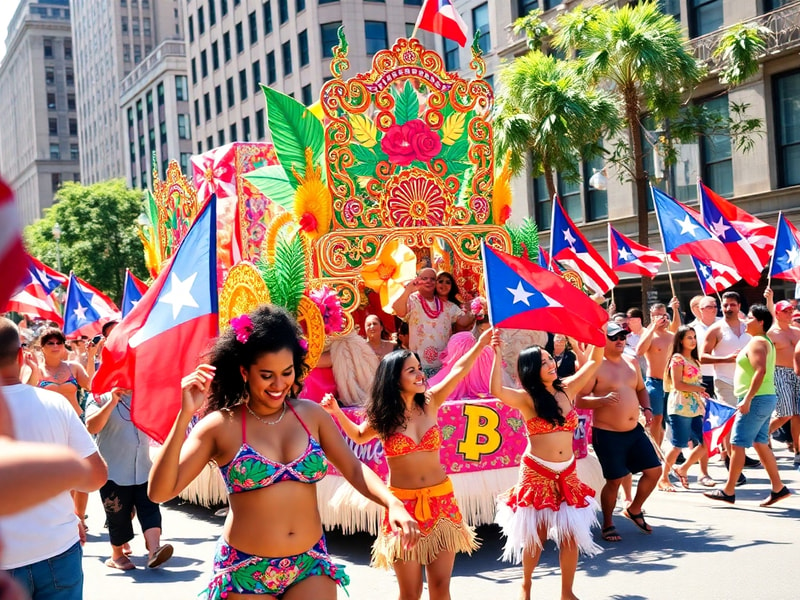
The Puerto Rican Day Parade has grown from a local New York tradition into one of the most vibrant public celebrations of Latin American culture in the world. As the 2026 edition approaches, anticipation builds not just in the streets of Manhattan, but across the diaspora and beyond. This annual event, which takes place on the second Sunday of June, serves as more than just a parade—it’s a living museum of Puerto Rican identity, resilience, and creativity.
What began in 1958 as a small march down Fifth Avenue has expanded into a massive cultural festival attended by over two million people each year. The 2026 parade will continue this legacy, blending tradition with innovation as it reflects the evolving nature of Puerto Rican communities worldwide. From the floats adorned with tropical flowers to the synchronized dance troupes performing bomba and plena rhythms, the event is a colorful tapestry of history, music, and pride.
The Global Reach of a Cultural Icon
The Puerto Rican Day Parade is no longer confined to New York City. Its influence has spread across the United States and internationally, with similar celebrations taking place in cities like Orlando, Philadelphia, and even cities in Europe and Latin America. In 2026, organizers expect even greater participation from Puerto Rican communities abroad, reflecting the island’s deep cultural footprint.
This global reach underscores the parade’s role as a bridge between generations and geographies. For many, it’s a pilgrimage back to heritage. For younger attendees, it’s an introduction to a culture rich in tradition and resilience. The parade’s inclusion of international artists, political delegations, and educational exhibits highlights its function as both a celebration and a platform for social dialogue.
- New York City: The historic epicenter, featuring over 100,000 marchers and two million spectators.
- Orlando: A growing hub with strong ties to Puerto Rican tourism and migration.
- Philadelphia: Known for its vibrant Puerto Rican community and family-focused events.
- San Juan: While not part of the parade, Puerto Rico’s capital often hosts simultaneous cultural events.
The 2026 parade is expected to draw even more international attention, especially as Puerto Rico continues to navigate its complex political and economic landscape. The event provides a space for dialogue, celebration, and solidarity, reinforcing the idea that Puerto Rican identity is not confined by borders.
Music, Dance, and the Evolution of Tradition
Music and dance have always been at the heart of the Puerto Rican Day Parade. Each year, the event showcases emerging artists alongside legendary figures, ensuring that genres like salsa, reggaeton, and bomba remain alive and evolving. The 2026 parade promises to continue this tradition, with organizers hinting at collaborations between veteran musicians and next-generation stars.
Reggaeton, which originated in Puerto Rico, has become a global phenomenon. The parade’s inclusion of this genre reflects its role in shaping modern Latin music. At the same time, traditional styles like bomba and plena remain central, taught to new generations through workshops and performances along the parade route.
This balance between old and new is intentional. The parade’s organizers work closely with cultural institutions to preserve heritage while embracing innovation. For example, the 2026 lineup may feature a fusion of electronic beats with traditional instruments, or a reinterpretation of classic folk songs through modern production techniques.
Politics, Pride, and Public Participation
The Puerto Rican Day Parade has always been political, even when its primary purpose is celebration. In 2026, the event will likely reflect ongoing discussions about Puerto Rico’s political status, economic challenges, and cultural representation. The parade has historically served as a platform for activism, from calls for statehood to protests against federal policies.
In recent years, the parade has also become a space for solidarity with other marginalized communities. The 2026 event may include collaborations with Black Lives Matter, LGBTQ+ rights groups, and immigrant advocacy organizations, reinforcing the idea that Puerto Rican identity is intersectional and evolving.
“The parade is more than a celebration—it’s a statement. Every float, every song, every step taken down Fifth Avenue is a reminder of who we are and what we stand for.” — Juan Flores, cultural historian and parade advisor
The 2026 edition will also emphasize youth participation, with dedicated sections for student-led performances and float designs. This reflects a broader trend in Puerto Rican activism and culture: the passing of the torch to the next generation.
What to Expect in 2026
While official details are still being finalized, several themes and features are expected to define the 2026 Puerto Rican Day Parade:
- Theme: “Raíces y Alas” (Roots and Wings), celebrating heritage while looking toward the future.
- Grand Marshal: A high-profile figure from Puerto Rico’s arts, sports, or political scene.
- Educational Exhibits: Interactive displays on Puerto Rican history, from Taíno roots to modern migration.
- Health and Wellness Pavilion: A new addition focused on community health, inspired by lessons from the pandemic.
- Virtual Participation: For the first time, a live-streamed component for global audiences.
The parade route remains unchanged, stretching from 44th Street to 79th Street along Fifth Avenue. But the experience is anything but static. Each year, new elements are introduced to keep the tradition fresh while honoring its roots.
A Lasting Legacy
The Puerto Rican Day Parade is more than an event—it’s a cultural institution. It has survived economic downturns, political controversies, and the challenges of a global pandemic. Its endurance speaks to the strength of Puerto Rican communities and their ability to adapt while staying true to their identity.
As the 2026 parade approaches, it invites everyone to participate—not just as spectators, but as contributors to a living tradition. Whether through music, dance, activism, or simply showing up to celebrate, the parade offers a chance to connect with a culture that continues to shape the world.
For those unable to attend in person, the virtual experience ensures that the spirit of the parade reaches every corner of the globe. In a time when cultural heritage is increasingly under threat, the Puerto Rican Day Parade stands as a powerful reminder of what it means to belong.
As we look ahead to 2026, one thing is clear: this parade is not just a celebration. It’s a declaration of pride, resilience, and unity.