Oklahoma Baseball: A Tradition Rooted in Community and Competition
Baseball in Oklahoma is more than just a sport; it’s a cultural touchstone that weaves together the state’s history, community values, and athletic ambition. From the dusty diamonds of small-town fields to the bright lights of collegiate stadiums, baseball in Oklahoma reflects the resilience and passion of its people. The state has produced Major League talent while maintaining a grassroots love for the game that spans generations.
The Oklahoma City Dodgers, the Triple-A affiliate of the Los Angeles Dodgers, stand as a testament to the state’s deep connection to baseball. Their home games at Chickasaw Bricktown Ballpark draw crowds that mirror the energy of minor-league baseball across the country. Meanwhile, the University of Oklahoma and Oklahoma State University programs have carved out reputations as powerhouses in collegiate baseball, consistently ranking among the nation’s best.
The Historical Innings: Baseball’s Roots in Oklahoma
Baseball arrived in Oklahoma during the late 19th century, brought by railroad workers, settlers, and military personnel. The first recorded game took place in 1887 in Guthrie, then the territorial capital, between teams representing local businesses. The sport quickly gained traction, becoming a staple of community gatherings and social events. By the early 20th century, semi-professional and amateur leagues flourished, providing an escape and a source of pride for towns across the state.
Oklahoma’s baseball history is also marked by its role in the Negro Leagues. The Oklahoma City Monarchs, part of the Negro National League, were one of the most successful and influential teams of their era. Players like Wilber “Bullet” Rogan and José Méndez became legends, showcasing talent that too often went unrecognized in segregated America. Their legacy is preserved in museums and oral histories, ensuring that their contributions are never forgotten.
Collegiate Baseball: Where Legends Are Forged
The University of Oklahoma’s baseball program, under the leadership of coaches like Larry Cochell and Skip Johnson, has become synonymous with excellence. The Sooners have claimed multiple conference titles and made frequent appearances in the NCAA Tournament. Their home field, L. Dale Mitchell Baseball Park, is a hub of activity during the season, drawing passionate fans who fill the stands with chants and cheers.
Similarly, Oklahoma State University’s program has a storied past, with legendary coaches like Gary Ward and Tom Holliday shaping generations of players. The Cowboys have won numerous national championships and produced MLB stars such as Robin Ventura and Scott Sanderson. The annual Bedlam series between Oklahoma and Oklahoma State is one of the most anticipated events in collegiate sports, blending rivalry with mutual respect.
The impact of collegiate baseball extends beyond the field. For many players, it’s a stepping stone to professional careers. Programs like these serve as incubators for talent, offering top-tier coaching, facilities, and competition that prepare athletes for the next level. The success of these teams also fosters a sense of pride and identity among fans, who see their universities as pillars of their communities.
Minor League Baseball: A Bridge to the Majors
Oklahoma’s minor league teams have long been vital to the state’s baseball ecosystem. The Oklahoma City Dodgers, established in 1962, have been a consistent draw, averaging over 8,000 fans per game in recent seasons. Their affiliation with the Dodgers ensures a steady stream of top prospects, from phenoms like Dustin May to established veterans like Yaisel Sierra. The team’s success on the field has translated to strong attendance and community engagement.
Other minor league teams, such as the Tulsa Drillers and the Tulsa Oilers (now defunct), have also left their mark. The Drillers, a Double-A affiliate of the Colorado Rockies, have been a fixture in Tulsa’s baseball scene since 1977. Their games at ONEOK Field are family-friendly events, complete with mascot races and post-game fireworks. These teams provide affordable entertainment and a close-up view of future MLB stars.
The economic impact of minor league baseball cannot be overstated. Teams like the Oklahoma City Dodgers generate millions in revenue for local businesses, from restaurants to hotels. They also create jobs and support youth programs, ensuring that the love for baseball continues to grow. For many Oklahomans, a visit to the ballpark is a weekly ritual, a chance to unwind and connect with neighbors.
Youth and Amateur Baseball: The Foundation of the Game
At the grassroots level, youth and amateur baseball programs are the lifeblood of the sport in Oklahoma. Leagues like PONY Baseball and Little League provide opportunities for children as young as five to develop their skills and learn the values of teamwork and sportsmanship. Tournaments such as the State Games of America and the Perfect Game National Showcase attract top talent from across the country, putting Oklahoma on the map as a destination for amateur baseball.
High school baseball in Oklahoma is fiercely competitive, with programs like those at Broken Arrow, Edmond Santa Fe, and Owasso consistently producing Division I talent. The state’s high school baseball championships draw large crowds, with games broadcasted on local and regional networks. For many young players, the dream of playing collegiate or professional baseball begins in these high school stadiums.
Community support is a defining feature of Oklahoma baseball. Local businesses sponsor Little League teams, parents volunteer as coaches, and fans fill the stands for games of all levels. This collective investment ensures that baseball remains accessible to all, regardless of background or economic status. It’s a model that other states could learn from, one that prioritizes inclusion and opportunity.
A Global Perspective: Oklahoma Baseball in the Broader Context
While Oklahoma may not be the first state that comes to mind when thinking of baseball hotbeds, its contributions to the sport are undeniable. The state’s baseball culture shares similarities with other regions where the game is deeply embedded in community life, such as Japan’s corporate leagues or the Dominican Republic’s developmental academies. In each case, baseball serves as a vehicle for social mobility, cultural pride, and economic opportunity.
Oklahoma’s baseball programs also reflect broader trends in the sport. The rise of analytics, the increasing emphasis on player development, and the globalization of talent pipelines are all evident in Oklahoma’s collegiate and minor league systems. Teams like the Oklahoma City Dodgers are at the forefront of these changes, adopting new technologies and training methods to stay competitive.
The state’s baseball culture is also shaped by its demographic diversity. Oklahoma is home to Native American, Latino, and immigrant communities, each bringing their own traditions and influences to the game. This diversity is reflected in the players who take the field, as well as the fans who support them. Baseball in Oklahoma is a melting pot, a celebration of the state’s rich cultural tapestry.
The Future of Baseball in Oklahoma
Looking ahead, the future of baseball in Oklahoma appears bright. The state’s collegiate programs continue to produce top-tier talent, while its minor league teams remain economic and cultural assets. Investments in youth facilities and coaching education are ensuring that the next generation of players will be even better prepared. And with the growing popularity of baseball globally, Oklahoma is well-positioned to play an even larger role on the world stage.
The challenges, however, are real. Like many sports, baseball faces competition from other entertainment options, as well as concerns about player safety and the long-term sustainability of minor league teams. Yet, the resilience of Oklahoma’s baseball community suggests that the sport will endure. For Oklahomans, baseball is more than a game; it’s a tradition, a passion, and a way of life.
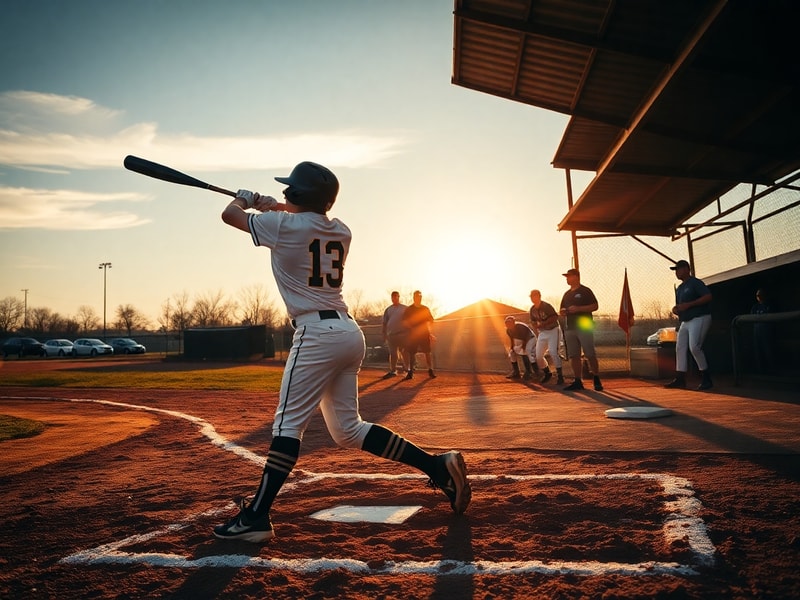
As the sun sets over the fields of Oklahoma, casting long shadows across the infields, one thing is clear: baseball will continue to thrive in the heartland. Whether it’s the crack of the bat at a collegiate game, the roar of the crowd at a minor league matchup, or the laughter of children playing catch in a local park, the spirit of baseball in Oklahoma remains unbroken.