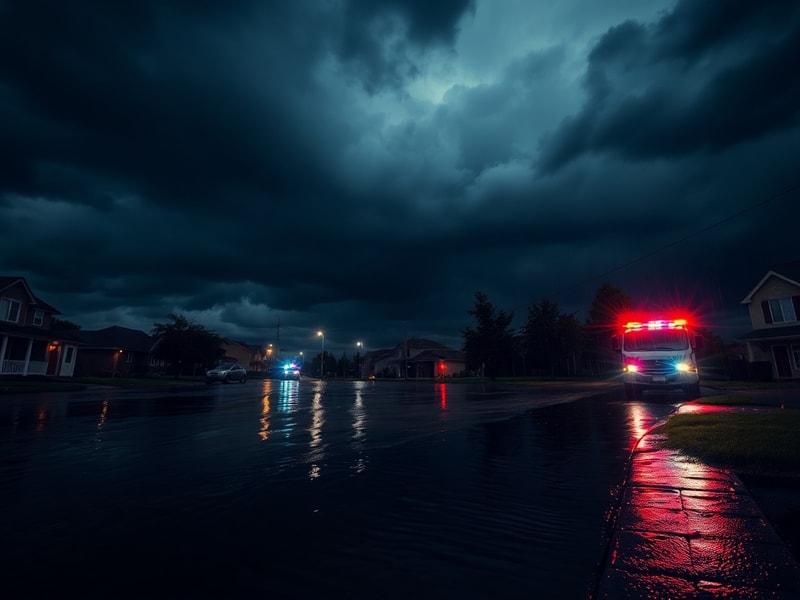
Flood Watch Explained: Risks, Preparedness, and Climate Impact
“`html
Understanding Flood Watch: Risks, Preparedness, and Response
Flood watches are issued when conditions are favorable for flooding, but the precise timing, location, or severity remains uncertain. Unlike warnings, which indicate imminent danger, watches serve as early alerts to trigger proactive measures. This distinction often escapes public attention, yet it plays a critical role in disaster management. The National Weather Service (NWS) issues these advisories based on hydrological and meteorological data, including soil saturation, rainfall rates, and river levels.
Recent years have seen a marked increase in flood-related events, driven by climate change and urban expansion. According to a 2023 report from the U.S. Geological Survey, 1 in 10 Americans live in flood-prone areas—a statistic that underscores the growing urgency of preparedness. Floods are now the most common natural disaster in the United States, costing billions annually in damages and displacing thousands of families.
Why Flood Watches Matter: Beyond the Alert
Flood watches are not merely bureaucratic formalities; they represent a critical window for communities to assess vulnerabilities. When the NWS issues a flood watch, local authorities typically activate emergency protocols, such as sandbag distribution, road closures, and evacuation route planning. These measures, though often criticized for being reactive, are rooted in decades of disaster response research. For instance, a 2022 study published in Natural Hazards Review found that areas with preemptive flood planning experienced 30% fewer structural damages during extreme weather events.
The psychological impact of flood watches cannot be overstated. Residents in high-risk zones often experience heightened anxiety, particularly when watches escalate to warnings. A survey by the American Psychological Association revealed that 45% of respondents in flood-prone regions reported sleep disturbances during watch periods. This underscores the need for not just physical preparedness but also mental health support in disaster planning.
Key Factors That Trigger Flood Watches
The issuance of a flood watch hinges on several interconnected variables. These include:
- Meteorological conditions: Heavy rainfall, hurricanes, or rapid snowmelt can saturate the ground beyond its capacity to absorb water.
- Hydrological factors: River levels, groundwater saturation, and soil moisture content are closely monitored to predict runoff potential.
- Topography: Low-lying areas, urban heat islands, and poorly drained infrastructure amplify flood risks.
- Human activity: Deforestation, dam failures, and unregulated urban development can exacerbate natural flood patterns.
Climate change has intensified these factors, particularly in regions like the Midwest and Gulf Coast, where “100-year floods” now occur more frequently. The 2019 Midwest floods, for example, resulted in $12.5 billion in damages—a figure that experts attribute to a combination of extreme rainfall and inadequate infrastructure upgrades.
Preparing for a Flood Watch: A Proactive Approach
While flood watches do not guarantee disaster, they warrant preparation. The first step is to familiarize yourself with local flood maps, which outline high-risk zones and evacuation routes. The Federal Emergency Management Agency (FEMA) provides these resources online, but many residents remain unaware of their flood risk. A 2021 study by the Journal of Flood Risk Management found that only 22% of Americans in flood-prone areas had reviewed these maps before a disaster struck.
Beyond awareness, practical steps can mitigate damage:
- Secure essentials: Move valuables, documents, and electronics to higher floors or secure containers.
- Prepare an emergency kit: Include water, non-perishable food, flashlights, batteries, and a first-aid kit.
- Reinforce your property: Install sump pumps, seal basements, and ensure proper drainage around your home.
- Stay informed: Monitor local news, NOAA weather radio, and emergency alert systems for real-time updates.
- Plan for pets and livestock: Identify pet-friendly shelters and ensure livestock have access to elevated areas.
Community engagement is equally vital. Neighborhood flood response teams, which consist of trained volunteers, have proven effective in rural areas where emergency services are stretched thin. These teams conduct drills, distribute sandbags, and assist vulnerable populations during watches and warnings. Their work highlights the importance of grassroots preparedness in an era of strained public resources.
The Broader Implications of Flood Watches
Flood watches are a microcosm of broader environmental and socioeconomic challenges. On one hand, they reflect advances in predictive meteorology, which have reduced fatalities from flooding by 75% since the 1970s. On the other, they expose systemic inequities in disaster response. Low-income communities and communities of color are disproportionately affected by floods, often due to inadequate infrastructure and limited access to resources. A 2020 study by the Environmental Protection Agency found that Black and Hispanic Americans are 1.5 times more likely to live in flood-prone areas than their white counterparts.
Economically, floods disrupt supply chains, damage agricultural land, and strain insurance systems. The 2021 floods in Germany and Belgium, which killed over 200 people and caused $43 billion in damages, demonstrated how even highly developed nations can be overwhelmed by extreme weather. Insurance companies, facing rising claims, have begun reassessing flood coverage policies, leaving homeowners in high-risk areas with fewer options.
Environmentally, floods play a paradoxical role. While destructive, they also replenish wetlands, deposit nutrient-rich silt, and recharge aquifers. However, human interference—such as channelizing rivers and paving over wetlands—has disrupted these natural cycles, turning floods into unmitigated disasters. Restoration projects, such as the Louisiana Coastal Master Plan, aim to restore these ecosystems, but progress remains slow.
Looking Ahead: The Future of Flood Preparedness
The next decade will test the resilience of communities worldwide. Climate projections suggest that heavy rainfall events will become more frequent and intense, particularly in the Northern Hemisphere. This reality demands innovation in flood mitigation, from “sponge city” designs in urban areas to AI-driven flood prediction models. Cities like Rotterdam and Copenhagen have already adopted green infrastructure, such as permeable pavements and rooftop gardens, to absorb excess water.
Yet technology alone cannot solve the problem. Policy changes, such as stricter zoning laws and climate-resilient building codes, are equally critical. The Netherlands, a country synonymous with water management, has spent centuries perfecting its flood defenses. Its approach—combining engineering, community involvement, and adaptive governance—offers a blueprint for other nations. However, replicating this model requires political will and sustained investment.
For individuals, the message is clear: flood watches are not just alerts; they are calls to action. Whether through personal preparedness or advocacy for systemic change, everyone has a role to play in building a flood-resilient future.
As climate patterns shift, the frequency of flood watches will likely increase. The question is no longer whether floods will occur, but how well we are prepared to face them. By understanding the science behind these alerts, taking proactive steps, and demanding equitable policies, we can turn a moment of uncertainty into an opportunity for resilience.