Levi’s Stadium: The Future of Sports Venues in Silicon Valley
“`html
Levi’s Stadium: Where Technology Meets Tradition in Silicon Valley
Nestled in the heart of Santa Clara, California, Levi’s Stadium stands as a testament to the evolution of modern sports venues. Since its opening in 2014, the 68,000-seat stadium has become more than just a home for the San Francisco 49ers. It represents a fusion of cutting-edge technology, sustainable design, and cultural significance that resonates far beyond the Bay Area.
The stadium’s naming rights agreement with Levi Strauss & Co. marked a historic moment in sports marketing, blending Silicon Valley innovation with the legacy of a globally recognized American brand. This collaboration set a new standard for corporate partnerships in the sports industry, demonstrating how tradition and technology could coexist seamlessly.
The Architectural Marvel of Silicon Valley
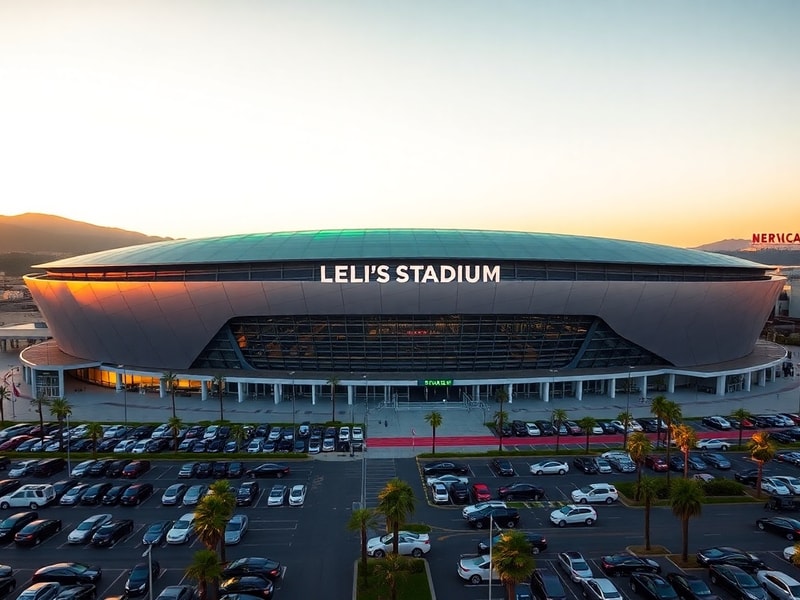
Designed by the renowned architectural firm HNTB, Levi’s Stadium was conceived as a 21st-century venue that prioritized fan experience above all else. The stadium’s sleek, angular design features a translucent roof that allows natural light to flood the concourses while providing shelter from the elements. This approach not only enhances the visual appeal but also reduces the need for artificial lighting during daytime events.
One of the stadium’s most striking features is its 27,000-square-foot “Green Roof” on the west side. This living, breathing ecosystem is covered in drought-resistant plants that help regulate the building’s temperature, reduce stormwater runoff, and improve air quality. The Green Roof serves as a visible reminder of the stadium’s commitment to environmental sustainability—a value that aligns perfectly with Silicon Valley’s culture of innovation and responsibility.
The stadium’s location along the CalTrain commuter rail line underscores its role as a hub of connectivity. This strategic placement has made Levi’s Stadium a model for urban planning, demonstrating how sports venues can integrate with public transportation systems to reduce traffic congestion and carbon emissions.
Technological Innovations That Redefine Fan Engagement
Levi’s Stadium has earned a reputation as one of the most technologically advanced stadiums in the world. From the moment fans arrive, they are immersed in an ecosystem of digital innovation designed to enhance their experience. The stadium’s mobile app, one of the most sophisticated in sports, allows fans to navigate the venue, order food and beverages, and even locate their seats in real-time using GPS.
The venue boasts over 1,200 Wi-Fi access points, ensuring that connectivity is seamless even when the stadium is at full capacity. This infrastructure supports a range of digital experiences, from live streaming replays on personal devices to interactive games and challenges that engage fans throughout the event. The stadium’s partnership with Cisco has been instrumental in creating this robust digital environment, setting a benchmark for other venues to follow.
Levi’s Stadium also leads the way in sustainability technology. Its 1.4-megawatt solar power system, one of the largest in the NFL, generates enough energy to offset a significant portion of the stadium’s electricity usage. Additionally, the venue features a rainwater capture system that collects and reuses water for irrigation, further reducing its environmental footprint.
Beyond the infrastructure, the stadium has embraced augmented reality (AR) and virtual reality (VR) to create immersive experiences for fans. During events, spectators can use their smartphones to access AR features that overlay real-time stats, player information, and even interactive games on their screens. This blend of physical and digital engagement has redefined what it means to be a sports fan in the digital age.
A Global Stage for Cultural and Sporting Events
While Levi’s Stadium is undeniably the home of the San Francisco 49ers, its influence extends far beyond the NFL. The venue has hosted a diverse array of events that reflect its versatility and global appeal. From soccer matches featuring international teams to concerts by world-renowned artists, the stadium has become a cultural landmark in its own right.
The stadium’s ability to accommodate such a wide range of events is a testament to its modular design and state-of-the-art facilities. Its flexible seating configurations and premium hospitality suites make it an attractive option for everything from corporate events to esports tournaments. In 2016, Levi’s Stadium became the first NFL stadium to host an esports event, paving the way for the integration of gaming culture into traditional sports venues.
Levi’s Stadium has also played a significant role in international sports. It hosted matches during the 2016 Copa América Centenario, a tournament that brought together teams from across North and South America. The stadium’s world-class facilities and international connectivity made it an ideal host for such a prestigious event. Additionally, the venue has been a candidate for hosting FIFA World Cup matches, further solidifying its status as a global sports destination.
The stadium’s cultural impact is perhaps best exemplified by its annual hosting of the Super Bowl. The NFL’s premier event has been held at Levi’s Stadium twice—in 2016 and 2019—drawing millions of viewers from around the world. These high-profile games have not only showcased the stadium’s capabilities but have also introduced Santa Clara to a global audience, putting the city on the map as a must-visit destination for sports and entertainment.
The Economic and Community Impact
Levi’s Stadium is more than just a sports and entertainment venue; it is a vital economic driver for the surrounding community. Since its opening, the stadium has generated billions of dollars in economic activity, supporting thousands of jobs and boosting local businesses. A study by the Santa Clara Chamber of Commerce found that the stadium contributes over $500 million annually to the regional economy, a figure that underscores its significance as an economic engine.
The stadium’s impact extends beyond the economic realm. Through its partnerships with local schools and nonprofits, Levi’s Stadium has become a community hub that fosters education, health, and wellness initiatives. Programs such as the 49ers Foundation’s STEM Education Initiative and the Levi’s Stadium Community Fund have provided resources and opportunities to underserved populations, reinforcing the venue’s commitment to social responsibility.
One of the stadium’s most notable community programs is its partnership with the San Jose Earthquakes, the city’s MLS team. While the Earthquakes do not play their home games at Levi’s Stadium, the venue has hosted special events and exhibitions that celebrate the team’s heritage and engage local fans. This collaboration highlights the stadium’s role as a unifying force in the community, bringing together people from all walks of life to celebrate shared passions.
The stadium’s commitment to sustainability is also reflected in its community outreach efforts. Through initiatives like the Green Team, which educates fans about recycling and waste reduction, the stadium has fostered a culture of environmental stewardship among its visitors. These efforts have not only reduced the venue’s ecological footprint but have also inspired fans to adopt more sustainable practices in their daily lives.
Key Features of Levi’s Stadium
- Capacity: 68,500 (expandable to 75,000 for major events)
- Location: Santa Clara, California, adjacent to Great America theme park
- Sustainability: LEED Gold certification, 1.4-megawatt solar power system
- Technology: Over 1,200 Wi-Fi access points, advanced mobile app, AR/VR experiences
- Events Hosted: NFL games, soccer matches, concerts, esports tournaments, corporate events
- Notable Features: Green Roof, 270-degree HD video boards, premium hospitality suites
A Legacy of Innovation and Inspiration
Levi’s Stadium stands as a symbol of what is possible when tradition and innovation intersect. Its blend of architectural brilliance, technological sophistication, and community engagement has set a new standard for sports venues worldwide. As the home of the San Francisco 49ers and a host to some of the world’s most prestigious events, the stadium has cemented its place in the annals of sports history.
Yet, its influence extends beyond the realm of sports. Levi’s Stadium has become a cultural landmark that reflects the values of Silicon Valley—innovation, sustainability, and community. It is a place where fans from around the world can come together to celebrate their passions, whether on the field, on the screen, or in the stands.
As the sports and entertainment industries continue to evolve, Levi’s Stadium will undoubtedly remain at the forefront of this transformation. Its legacy serves as a reminder that the venues of the future are not just places to watch a game or attend a concert; they are dynamic ecosystems that inspire, connect, and elevate the human experience.
For those who have had the privilege of stepping into Levi’s Stadium, the experience is unforgettable. It is more than just a building; it is a testament to the power of design, technology, and community to create something truly extraordinary.