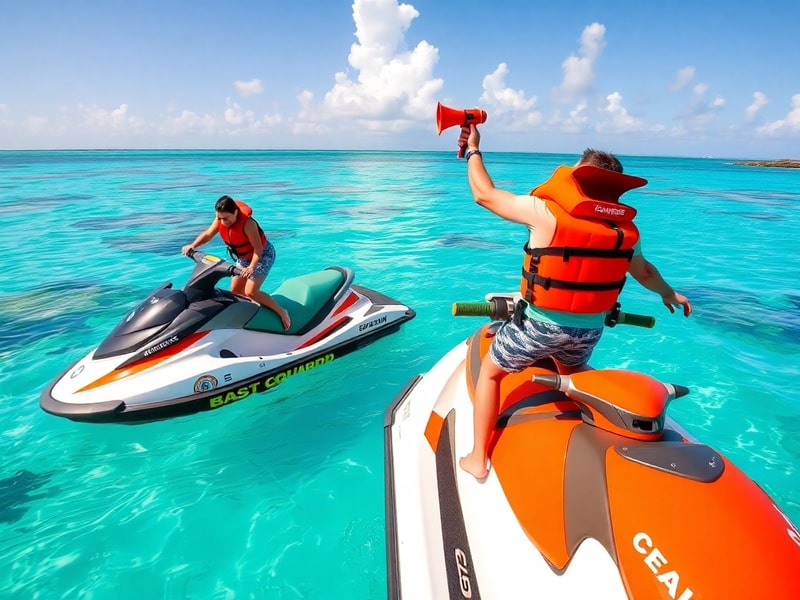
The crystal-clear waters of the Bahamas have long drawn thrill-seekers eager to explore the archipelago’s vibrant marine life and pristine shores by jet ski. Yet as tourism rebounds post-pandemic and more travelers rent personal watercraft, authorities and safety advocates are raising concerns about preventable accidents and a lack of standardized training.
Local marine patrols and tour operators report a noticeable uptick in near-misses and collisions, particularly around popular hubs like Nassau, Exuma, and Grand Bahama. While jet skiing remains one of the most exhilarating ways to experience the Bahamas, experts warn that overconfidence, inadequate preparation, and unregulated rental practices can turn paradise into peril.
Rising Accident Rates Spark Calls for Action
According to recent data from the Bahamas Maritime Authority (BMA), jet ski-related incidents increased by 22% in 2023 compared to 2022. Most incidents involved tourists unfamiliar with local maritime rules, unstable weather conditions, or equipment failure. The most common injuries were cuts, bruises, and head trauma—often resulting from riders losing control or colliding with boats, rocks, or other jet skis.
In response, the BMA has intensified patrols and launched a public awareness campaign emphasizing life jacket use, speed limits, and designated no-wake zones. Still, enforcement remains a challenge in areas where rental companies operate independently and training is optional.
“We’ve seen tourists with no prior experience renting jet skis and venturing miles from shore, often in choppy conditions,” said Captain Ava Rolle of the Nassau Port Department. “It’s not just about fun—it’s about survival.”
Where Do Most Accidents Happen?
Analysis of BMA incident reports reveals that the highest-risk zones include:
- New Providence’s Cable Beach and Paradise Island – densely trafficked areas with high boat and jet ski density
- Exuma’s Stocking Island and Elizabeth Harbour – popular for long-distance rides but prone to sudden weather shifts
- Grand Bahama’s Lucaya Marketplace – where shallow reefs and wakes from cruise ships create hazards
Many accidents occur during late afternoon, when winds pick up and visibility decreases. Tourists are advised to return to shore before 4 PM to avoid the most dangerous window.
What Rental Companies Aren’t Always Telling You
While some reputable operators include safety briefings and basic handling instruction, others cut corners to meet demand. A Dave’s Locker investigation found that up to 40% of rental firms in Nassau do not require proof of prior experience or even a swim test.
Common omissions in rental policies include:
- No mandatory life jacket fitting or inspection
- Failure to provide a map of restricted zones or no-wake areas
- Limited or no instruction on handling strong currents around the Exumas
- No verification of insurance coverage for medical evacuation
“Many visitors assume jet skiing is like riding a bike—something you can just hop on and figure out,” said marine safety instructor Marcus Lightbourne. “But these machines can reach 50 mph. One wrong turn can put you in the path of a ferry.”
Lightbourne recommends travelers choose operators affiliated with recognized organizations like the Bahamas Hotel & Tourism Association (BHTA) or those that display BMA certification. He also encourages renters to ask for written safety guidelines and a demonstration of how to stop, steer, and avoid capsizing.
Essential Safety Tips for Jet Skiing in the Bahamas
Even experienced riders must adapt to local conditions. The Bahamas’ warm water and strong sun can mask fatigue, while sudden squalls can turn a calm ride into a dangerous situation. Here are proven strategies to stay safe:
Before You Ride
- Take a safety course: Though not mandatory, completing an online or in-person jet ski safety course from organizations like BoatUS or the BMA can drastically reduce risk. Some rental companies offer discounts to certified riders.
- Inspect the watercraft: Check the throttle, steering, and kill switch. Ensure the jet ski has a valid inspection sticker and flotation device.
- Wear a life jacket: Bahamas law requires all riders under 12 to wear a U.S. Coast Guard-approved PFD. Adults are strongly encouraged to do the same—many rental operators now include them at no extra cost.
On the Water
- Stay within marked zones: Avoid swimming areas, marine parks, and shipping channels. Use the Dave’s Locker Bahamas Travel Guide to identify safe routes.
- Keep distance from boats:
- Treat all vessels with respect—large ships cannot stop quickly and may not see you.
- Monitor weather: Download the Bahamas Weather app or check VHF channel 16 for real-time updates. If skies darken or winds exceed 15 knots, return to shore immediately.
- Avoid riding at night: Jet skis are not equipped with proper lighting for nighttime navigation, and buoys are harder to spot.
Riders should also carry a fully charged phone in a waterproof case and consider renting a GPS tracker, especially when heading to remote islands like the Berry Islands or Ragged Island.
Legal and Medical Realities After an Accident
In the event of a crash, the legal landscape in the Bahamas can be complex for tourists. The country follows a fault-based system, meaning injured parties must prove negligence to recover damages. This is particularly difficult when rental companies fail to provide proper training or maintenance records.
Medical care on outlying islands is often limited. Tourists injured far from Nassau or Freeport may require airlift evacuation, which can cost tens of thousands of dollars without travel insurance. Many policies exclude high-risk water activities unless explicitly covered.
“We’ve seen cases where tourists assumed their credit card travel insurance covered jet skiing,” said personal injury attorney Denise Cartwright. “It didn’t. Always verify coverage before you leave the dock.”
What to Do If You’re Involved in an Incident
- Report the incident immediately to the BMA via VHF radio or the nearest marina office
- Document injuries with photos and seek medical attention, even for minor cuts
- Request a copy of the incident report and obtain contact details from witnesses
- Notify your travel insurance provider within 24 hours
Looking Ahead: A Call for Reform
As the Bahamas continues to rebuild its tourism sector, safety advocates are urging the government to implement stricter regulations. Proposed measures include mandatory safety briefings, standardized rental contracts, and a licensing system for jet ski operators.
Some island communities have taken initiative. In the Exumas, local guides now lead escorted jet ski tours with trained spotters, reducing accident rates by over 30% in pilot programs.
“The Bahamas can have both adventure and safety,” said Environment Minister Vaughn Miller. “It’s not about restricting access—it’s about protecting the people who come here to enjoy our waters responsibly.”
Final Thoughts: Ride Smart or Don’t Ride at All
Jet skiing in the Bahamas offers an unmatched sense of freedom—the wind in your hair, the turquoise waves, and the thrill of skimming over reefs teeming with fish. But that freedom comes with responsibility.
Visitors who take the time to prepare, respect local rules, and choose reputable operators can enjoy an unforgettable experience without putting themselves or others at risk. Those who don’t may find paradise has a price—and it’s not one they expected to pay.
The choice is clear: ride smart or don’t ride at all. The sea will always be there. Your health and safety are priceless.