Ford Focus: The Compact Car That Defined a Generation
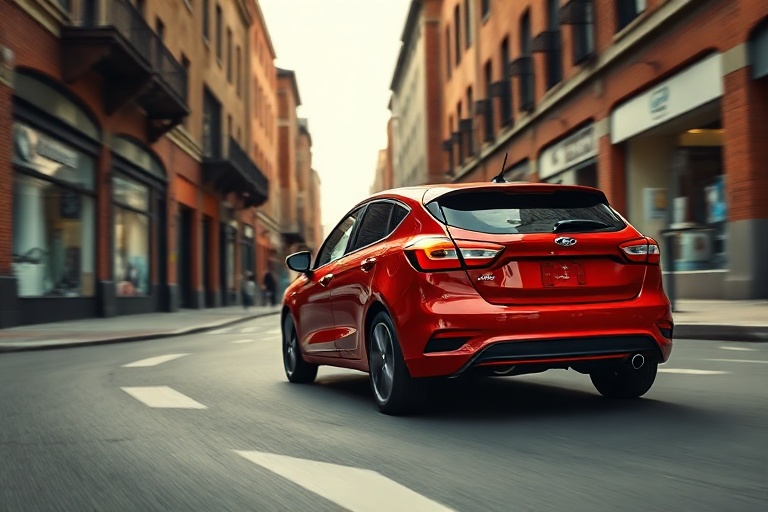
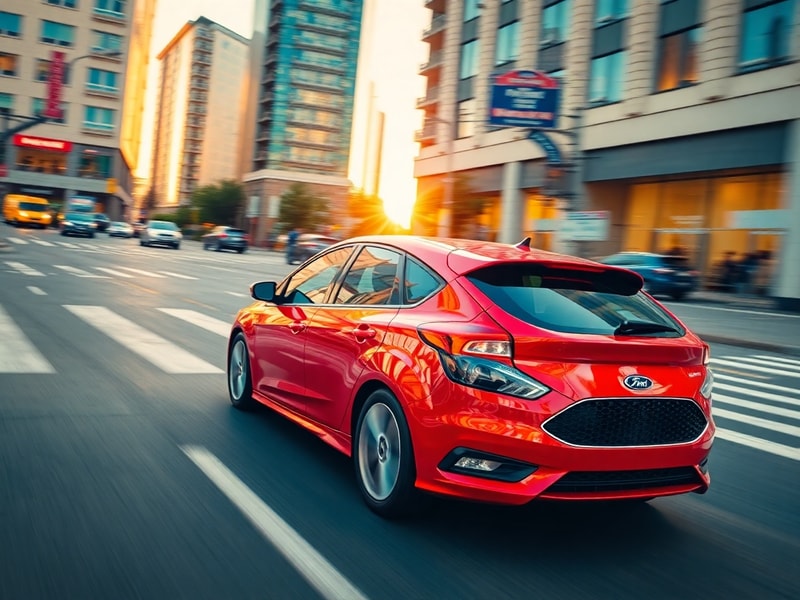
The Ford Focus arrived in 1998 as a compact car designed to replace the Ford Escort. Marketed globally, it quickly became one of the best-selling models in Ford’s history, with over 16 million units produced across five generations. Its success stemmed from a combination of affordability, practicality, and adaptability to different markets. From congested European streets to sprawling North American suburbs, the Focus earned a reputation for reliability and versatility.
A Global Compact with Local Adaptations
Ford designed the Focus as a truly international car, not just a one-size-fits-all export. Assembly plants in the United States, Germany, China, and Mexico ensured local production met regional demands. In Europe, the Focus catered to compact city driving with tight turning circles and efficient engines. North American buyers, meanwhile, appreciated the roomier interior and available V6 engine in later models. China became the Focus’s largest market, where it was positioned as an aspirational compact for a growing middle class.
This localization strategy extended beyond just assembly. Ford offered different suspension setups, climate controls, and even badge-engineered models like the Mazda3-derived Focus in some Asian markets. The result was a car that felt at home whether parked outside a Berlin café or a Mumbai roadside stall. Such flexibility helped the Focus outsell rivals like the Volkswagen Golf in several regions during the 2000s.
Evolution Through Five Generations
The first-generation Focus (1998–2004) introduced Ford’s “New Edge” design language, characterized by angular headlights and a grille-less front end. It was praised for its sharp handling, thanks to a sophisticated independent rear suspension. The second generation (2004–2010) expanded the lineup with a sedan version, a coupe, and even a sporty ST model with a 2.5L turbo engine. This era solidified the Focus’s reputation as a driver’s car, especially in hatchback form.
By the third generation (2010–2018), the Focus had become more refined but also more controversial. Ford shifted to a global platform shared with the Mazda3, which improved efficiency but diluted some of the driving magic. The fourth generation (2018–2024) embraced a bolder design, with models like the Focus Active crossover blurring the line between hatchback and SUV. Throughout these changes, the Focus maintained its core strengths: practicality, decent fuel economy, and a price point that kept it accessible.
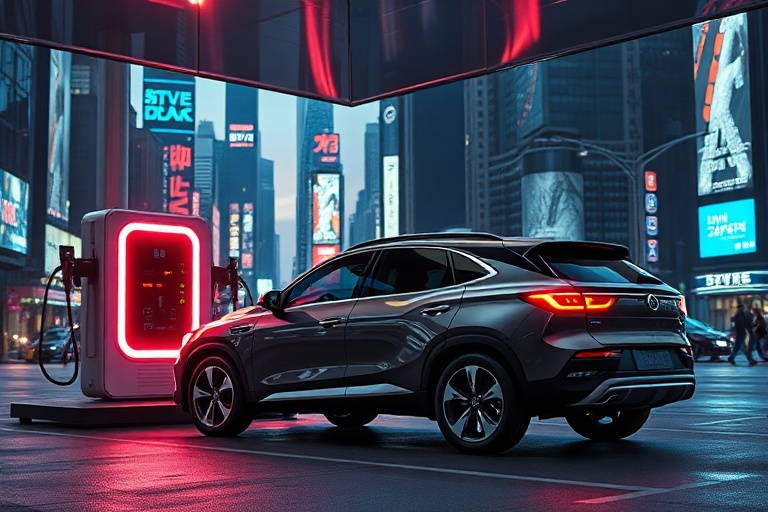
The fifth and final generation, announced in 2024, marks a significant departure. Ford will discontinue the Focus in North America and Europe, replacing it with the electric Explorer and compact electric crossover models. This pivot reflects broader industry trends, as automakers prioritize electric vehicles over traditional internal combustion engines.
Cultural Impact Beyond the Showroom
The Ford Focus wasn’t just a car; it was a cultural touchstone in several regions. In the early 2000s, it became a staple of boy-racer culture in the UK, where modified Focus STs were common sights at traffic lights and on suburban roads. In Brazil, the Focus was a symbol of upward mobility during the commodity boom of the 2000s, often seen parked outside newly built middle-class homes. Even in Australia, where large sedans traditionally dominated, the Focus hatchback found a niche among young families and urban commuters.
Music and film also embraced the Focus. British indie bands like Arctic Monkeys name-checked the Focus in lyrics, while Hollywood movies often cast it as the reliable, unassuming family car. Its ubiquity in everyday life made it a blank canvas for personal expression—whether through aftermarket modifications, DIY repairs, or simply the pride of ownership.
Yet the Focus’s cultural footprint wasn’t entirely positive. In some markets, it became synonymous with cheap, mass-produced transportation, lacking the prestige of European brands. Its ubiquity also made it a target for theft in certain urban areas, particularly for catalytic converters and airbags. Despite these challenges, the Focus remained a symbol of Ford’s commitment to accessible automotive design.
Engineering Trade-offs and Reliability Records
Under the hood, the Focus balanced performance and practicality. Early models featured durable 1.6L and 2.0L Duratec engines, known for their longevity. The Focus ST’s 2.5L five-cylinder engine, sourced from Volvo, delivered 225 horsepower and a distinctive growl that endeared it to enthusiasts. However, later generations faced criticism for sharing platforms with cheaper models, which compromised ride quality and interior refinement.
Reliability varied by market and model year. Early Focus models earned high marks for durability, with many examples surpassing 200,000 miles with basic maintenance. The third and fourth generations, however, saw more frequent complaints about electrical issues, particularly with the MyFord Touch infotainment system. Transmission problems also plagued some automatic models, especially in diesel variants sold in Europe.
Ford’s decision to phase out the Focus in favor of electric vehicles reflects a broader industry shift. The car’s legacy, however, endures in the millions of units still on the road, many of which have been repurposed into project cars, daily drivers, or even electric conversions. Its engineering trade-offs—affordability versus refinement, practicality versus performance—mirrored the compromises many families make in their own lives.
A Farewell to a Global Icon
The Ford Focus’s discontinuation marks the end of an era for one of the automotive industry’s most successful compact cars. Its story is one of adaptability, serving diverse markets with a blend of affordability and capability. While the Focus may no longer be a new-car staple, its influence persists in the roads it traveled and the lives it touched. For a generation of drivers, the Focus wasn’t just a car—it was a companion on countless journeys, from first solo drives to family road trips.
As Ford shifts its focus to electric vehicles, the Focus’s legacy serves as a reminder of the importance of accessible, reliable transportation. In an industry increasingly dominated by high-tech, high-cost models, the Focus represented something simpler: a car that worked, no matter where you were. Its retirement isn’t just the end of a product line; it’s a reflection of how the automotive world is changing—and how some icons are destined to fade into memory.