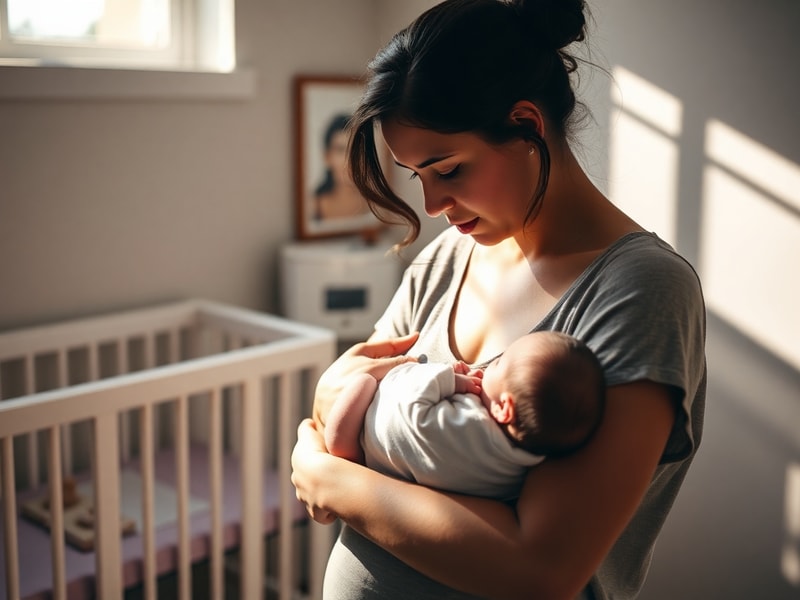
Netflix’s latest documentary series, Maternal Instinct, has quietly become one of the platform’s most talked-about releases of the year. The three-part series follows the lives of five women as they navigate the complexities of motherhood, from the euphoria of pregnancy to the raw challenges of postpartum recovery and the societal pressures that shape their experiences. Unlike traditional parenting shows that focus solely on the joys of child-rearing, Maternal Instinct pulls back the curtain on the less glamorous, often isolating realities of raising children in a modern world.
What Makes Maternal Instinct Stand Out
What sets Maternal Instinct apart is its unflinching honesty. The series doesn’t shy away from the mental health struggles, financial strains, or marital tensions that often accompany motherhood. Each episode dives into a different woman’s journey, using a mix of intimate interviews, home videos, and candid footage to create a deeply personal portrait. The result is a raw, unfiltered look at motherhood that feels both universal and deeply individual.
The production team behind the series worked closely with each participant for over a year, ensuring they felt safe and supported while sharing their stories. This level of trust is evident in the final product, which avoids sensationalism in favor of empathy. The cinematography is understated but effective, using close-ups and natural lighting to emphasize the emotional weight of each moment.
The Broader Conversation Around Motherhood
Maternal Instinct arrives at a time when conversations about motherhood are evolving rapidly. The pandemic reshaped family dynamics, leaving many mothers grappling with burnout, guilt, and societal expectations. The series reflects these tensions, particularly in its portrayal of women who feel torn between career ambitions and the demands of parenting. One participant, a high-powered executive, openly discusses the guilt she feels for not being present enough for her children—a sentiment that resonates with many working mothers.
The documentary also tackles the stigma surrounding postpartum depression and anxiety, which affects roughly 1 in 7 new mothers but remains widely misunderstood. By giving these women a platform to share their struggles, Maternal Instinct contributes to a broader cultural shift toward destigmatizing mental health challenges in motherhood. This aligns with Netflix’s broader push to amplify underrepresented voices and stories, a strategy that has paid off in both critical acclaim and audience engagement.
Criticism and Controversy
No documentary is without its detractors, and Maternal Instinct has faced some backlash. Critics argue that the series doesn’t fully address the systemic issues—like lack of paid parental leave or affordable childcare—that contribute to the struggles of modern mothers. Others point out that the participants, while diverse in some respects, don’t fully represent the full spectrum of motherhood experiences, particularly those of marginalized women.
These critiques are valid, but they also highlight the limitations of what a single documentary series can achieve. Maternal Instinct isn’t meant to be an exhaustive exploration of motherhood; rather, it’s a starting point for conversations that need to happen. By focusing on individual stories, it humanizes the broader issues and makes them more relatable to a wider audience.
Why This Series Matters
The impact of Maternal Instinct extends beyond its run time. It’s part of a growing wave of media that challenges the idealized portrayal of motherhood, offering a more nuanced and realistic depiction. For viewers who have felt alone in their struggles, the series can be validating. For those who’ve never experienced motherhood, it provides a window into its complexities. And for society at large, it’s a reminder that motherhood isn’t a monolith—it’s a deeply personal journey with no one-size-fits-all solution.
In an era where social media often distorts reality, Maternal Instinct offers something rare: authenticity. It doesn’t sugarcoat the hardships, nor does it dismiss the joys. Instead, it presents motherhood in all its messy, beautiful, and sometimes painful glory. That’s why it’s resonating with audiences and sparking conversations long after the final episode has aired.
If you’re looking for more content that challenges conventional narratives around parenthood, check out our Entertainment and Culture sections for recommendations on similar documentaries and series.
Key Takeaways from Maternal Instinct
- Authenticity over idealism: The series prioritizes raw, unfiltered storytelling over the polished narratives often found in parenting content.
- Mental health focus: It shines a light on postpartum mental health struggles, helping to reduce stigma and encourage open conversations.
- Systemic issues in focus: While not exhaustive, it touches on broader societal challenges like workplace pressures and lack of support systems for mothers.
- Diverse perspectives: The inclusion of women from different backgrounds adds depth and relatability to the series.
- Cultural impact: It contributes to a growing cultural shift toward more realistic portrayals of motherhood in media.
A Call to Action
Documentaries like Maternal Instinct remind us that storytelling can be a catalyst for change. By sharing these stories, we’re not just entertaining audiences—we’re fostering empathy, sparking dialogue, and potentially influencing policies and societal attitudes. For viewers who feel inspired by the series, consider supporting organizations that advocate for maternal health, paid parental leave, or affordable childcare. Small actions, like sharing the documentary with friends or discussing it in community forums, can also help amplify its message.
As the conversation around motherhood continues to evolve, Maternal Instinct serves as both a mirror and a window—reflecting the experiences of some while offering others a glimpse into lives they may never have fully understood. In a media landscape often dominated by perfection, it’s a refreshing and necessary reminder of our shared humanity.