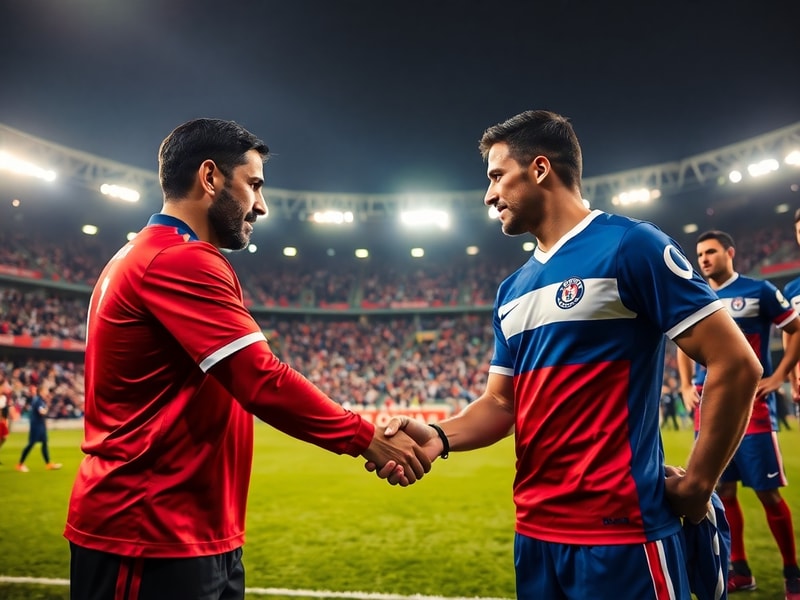
When Türkiye and Paraguay face off on the football pitch, the contrast in histories, cultures, and playing styles becomes as clear as the distinct stripes on each team’s kit. Türkiye brings a European football psyche—fast, technical, and brimming with the pressure of a nation that sees every World Cup cycle as a chance to prove it belongs among the elite. Paraguay, meanwhile, arrives with a South American soul: tough, defensively solid, and sustained by a rich tradition of grittiness that has helped them punch above their weight for decades.
This matchup isn’t just about three points. It’s a clash of football philosophies, economic backgrounds, and footballing dreams. Türkiye’s rise over the past 25 years—from near obscurity to regular European contenders—mirrors the country’s broader economic and cultural transformation. Paraguay, landlocked and less glamorous on the global stage, has long relied on its resilience, a trait deeply embedded in its history and daily life. The game becomes more than a sport; it’s a narrative about identity, aspiration, and the way football reflects national character.
The footballing identities: Türkiye’s modern evolution vs. Paraguay’s enduring grit
Türkiye’s football revolution began in the late 1990s and early 2000s. It was a time when clubs like Galatasaray and Fenerbahçe started winning European trophies, and the national team began to punch above its weight in international competitions. The 2002 World Cup semi-final run—led by the legendary Şenol Güneş—wasn’t just a success; it was a cultural awakening. It showed the world that a country straddling two continents could develop a distinct and competitive style of play.
Türkiye’s style is now characterized by high-pressing, technical midfield play, and an emphasis on youth development. The Süper Lig has become a hub for young talent, with clubs investing heavily in academies. This shift has made Türkiye a net exporter of footballers, with stars like Hakan Çalhanoglu and Arda Guler finding success in top European leagues. The nation’s football culture is young, dynamic, and confident—mirroring its economic and social progress.
Paraguay’s football story is different. It’s rooted in resilience and pragmatism. The nation has never been a football powerhouse in terms of resources, but it has always produced teams that compete with heart and discipline. Paraguay’s historical success—two Copa América titles, a World Cup quarter-final in 2010—stems from a culture that values hard work, unity, and a defensive solidity that often grinds opponents down.
The Paraguayan style is built on physicality, tactical discipline, and a deep understanding of the game’s fundamentals. Players like José Cardozo and Lucas Barrios have become icons not just for their goals, but for their work ethic. This approach reflects the nation’s broader social and economic conditions—where resourcefulness and perseverance are essential for survival.
Global perspectives: How football reflects national character
Football is more than a game; it’s a microcosm of a nation’s aspirations. Türkiye’s football revolution reflects its broader journey from economic turmoil in the 1990s to becoming a G20 economy and a cultural crossroads between Europe and Asia. The success of its national team and clubs has helped reshape its global perception, shifting from a country known for economic crises to one associated with innovation and cultural export.
In contrast, Paraguay’s football remains a testament to resilience in the face of economic and geographical challenges. Landlocked and with a population of just over 7 million, Paraguay has always had to fight harder for every success. Its football culture is a reflection of that reality—a game where every ball, every pass, and every tackle is a battle for respect.
This dynamic plays out on the pitch. Türkiye’s players often embody a sense of energy and creativity, reflecting a nation that is young, dynamic, and confident. Paraguay’s players, meanwhile, bring a sense of gravitas and reliability, reflecting a nation that has learned to make the most of what it has.
When these two sides meet, the contrast is stark—and fascinating. It’s not just about skill or tactics; it’s about what each nation values and how it sees itself on the global stage.
Key matchups and tactical battles
The clash of styles will define this encounter. Türkiye’s high-pressing, possession-based approach will be tested against Paraguay’s disciplined, contracted defence. The success of Türkiye’s midfield—likely led by playmakers like Hakan Çalhanoglu or Arda Guler—will depend on their ability to break down Paraguay’s low block. The Paraguayan midfield, anchored by players like Miguel Almirón, will look to stifle Türkiye’s rhythm and force turnovers in dangerous areas.
The battle up front will also be interesting. Türkiye’s attack, with players like Cenk Tosun and Kenan Yildiz, will look to exploit space behind Paraguay’s defence with quick transitions and vertical passes. Paraguay, meanwhile, will rely on the experience of players like Antonio Sanabria to hold up play and link up with the midfield. The success of this encounter will depend on Paraguay’s ability to limit Türkiye’s space in the midfield and transition quickly when they win the ball.
Defensively, Türkiye’s full-backs will be crucial. Players like Zeki Çelik and Ferdi Kadioglu will need to provide width and support in attack while remaining disciplined in defence. Paraguay’s wide players, like David Ocampos, will look to exploit the flanks and create chances for their strikers.
Here’s a quick breakdown of the key tactical aspects to watch:
- Türkiye’s possession game: Will they be able to maintain the ball and create openings against a disciplined Paraguayan defence?
- Paraguay’s low block: Can they stifle Türkiye’s rhythm and force them into mistakes?
- Midfield battle: The success of both teams will hinge on their midfielders’ ability to control the game.
- Wide play: Both teams will look to exploit the flanks, especially if their full-backs push high up the pitch.
Cultural and social context: Beyond the pitch
The Türkiye vs. Paraguay matchup isn’t just a football game; it’s a cultural exchange. Türkiye, with its young population and growing influence in Europe, represents a bridge between East and West. Its football culture is diverse, inclusive, and innovative, reflecting the nation’s broader social and economic progress.
Paraguay, meanwhile, is a nation that has long been overlooked on the global stage. Its football culture is a reflection of its realities—tough, resourceful, and unyielding. The success of its national team is a source of national pride, a rare opportunity to shine in a world that often ignores smaller nations.
This matchup is also a reminder of football’s ability to connect people across cultures and borders. For fans in Asuncion or Istanbul, the game is more than a sport; it’s a statement of identity and aspiration. It’s a chance to show the world what their nation is made of.
In an era where football is increasingly dominated by economic powers, Türkiye and Paraguay represent different paths to success. Türkiye’s rise is rooted in investment, innovation, and international ambition. Paraguay’s success is built on resilience, resourcefulness, and a deep understanding of the game’s fundamentals. When these two nations meet, the result is more than a football match; it’s a celebration of what makes each nation unique.
As the two teams prepare to face off, the world will be watching not just for the result, but for the story it tells. It’s a reminder that football is more than a game; it’s a reflection of who we are, where we come from, and what we hope to be.