The Miami Fire Phenomenon: How a City’s Inferno Became a Global Conversation
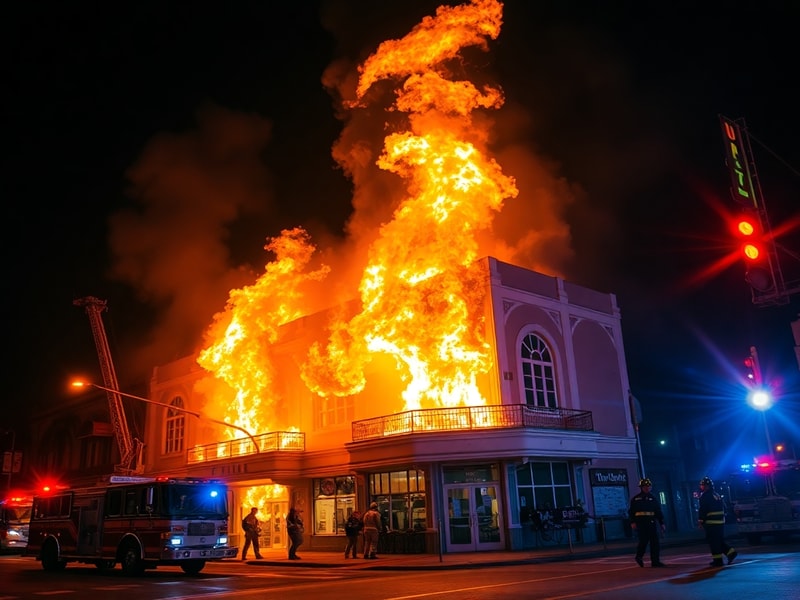
Last year’s Miami fire didn’t just burn buildings—it ignited conversations across continents. On a sweltering evening in October, a blaze tore through a high-rise condominium in downtown Miami, leaving 11 people dead and dozens injured. The disaster wasn’t just a local tragedy; it became a global case study in urban vulnerability, emergency response, and the human cost of rapid development.
The fire started around 8:30 p.m. on a Tuesday, spreading through the 13-story building in under two hours. Firefighters from Miami-Dade County battled flames visible from miles away, their efforts hampered by outdated sprinkler systems and inadequate evacuation routes. Within hours, videos of the inferno flooded social media, capturing the terror of residents trapped on balconies as flames engulfed the structure.
What made this fire different wasn’t just its scale—it was how it exposed systemic failures. The building, constructed in 1981, lacked modern fire safety features like fire-resistant cladding and automatic sprinklers. Investigators later confirmed the blaze originated in a faulty electrical panel, a preventable hazard in buildings of its type. The disaster raised urgent questions about aging infrastructure in booming cities, where profit often outpaces safety.
A City Built on Sand—and Now, on Concrete
Miami’s skyline is a testament to its explosive growth. Over the past decade, the city has seen a construction boom, with cranes dotting the horizon as luxury condos and high-rises redefine the skyline. Yet this progress comes with a price: aging buildings, inadequate regulations, and a culture that prioritizes aesthetics over safety.
The fire wasn’t the first in Miami, but it was the deadliest in decades. In 2019, a blaze at the historic Omni International Mall injured 15 people after faulty wiring sparked flames in a storage area. Before that, the 2012 Miami Metrorail fire killed three and injured dozens, again due to electrical failures. These incidents reveal a pattern: Miami’s infrastructure is struggling to keep pace with its ambitions.
Urban planners now face a dilemma. The city’s population is expected to grow by 15% over the next decade, straining already stretched resources. The question isn’t whether more fires will happen—it’s whether Miami will act before the next one.
The Human Toll: Stories of Survival and Loss
Behind the statistics were real people. Among the victims was Maria Gonzalez, a 68-year-old retired teacher who lived on the 10th floor. Her daughter, Sofia, recounted how her mother had called her in tears, trapped by smoke and flames. “She said, ‘I can’t breathe,’” Sofia told reporters. “I told her to stay by the window, that help was coming. But it didn’t.”
Other survivors described harrowing escapes. Javier Morales, a construction worker, told local news how he helped a group of elderly residents down a single stairwell clogged with smoke. “We had to crawl,” he said. “The air was so thick I couldn’t see my own hands.” His hands still bear the scars of second-degree burns.
The psychological impact lingers. Therapists in Miami report a surge in patients suffering from PTSD, anxiety, and survivor’s guilt. One resident, a 34-year-old nurse who escaped with her two children, told The Miami Herald she now checks every exit in every building she enters. “I see the fire everywhere,” she said. “Even in my dreams.”
Global Lessons: Why Miami’s Fire Matters Beyond Its Borders
Miami isn’t alone in facing these challenges. Cities from Dubai to London to São Paulo grapple with similar issues: aging infrastructure, rapid urbanization, and the pressure to build higher, faster, and cheaper. The Miami fire became a cautionary tale for urban planners worldwide, a reminder that progress without safety is a recipe for disaster.
In Europe, where historic buildings often lack modern fire protections, the fire sparked renewed debates about retrofitting. In the Middle East, where skyscrapers like the Burj Khalifa dominate skylines, officials rushed to audit their own buildings for similar hazards. Even in the United States, Chicago and New York—cities with aging infrastructure—began re-examining their own fire safety protocols.
Experts warn that the Miami fire is just the beginning. As climate change intensifies heatwaves and droughts, the risk of urban fires will only grow. Cities must act now to update building codes, invest in emergency response training, and prioritize the lives of residents over profits.
What’s Next for Miami?
In the aftermath, Miami’s government has pledged reforms. The city council approved a $15 million fund to retrofit high-rises with sprinkler systems and improved fire alarms. A new task force, led by former firefighters and engineers, is reviewing building codes to close loopholes that allowed outdated structures to remain standing.
Yet skepticism lingers. Many residents, still grieving, question whether these changes will come fast enough—or at all. “We’ve heard promises before,” said a local activist who lost a friend in the fire. “But promises don’t stop fires.”
For now, Miami remains a city on edge. The skyline, once a symbol of ambition, now stands as a reminder of what happens when that ambition outpaces responsibility. The question is whether the city will learn from its mistakes—or repeat them.
One thing is certain: the world is watching. And the next time a fire breaks out in a high-rise, the question won’t be just about the flames—it’ll be about whether we’ve done enough to prevent the next tragedy.