Argentina stands at a crossroads in 2024, its political, economic, and cultural currents drawing global attention. The country’s journey over the past decade—marked by economic volatility, shifting political ideologies, and vibrant cultural exports—offers a case study in resilience and reinvention. From the football fields of Buenos Aires to the financial corridors of Wall Street, Argentina’s influence extends far beyond its borders, shaping debates on debt, democracy, and digital culture.
The economic rollercoaster: From crisis to cautious optimism
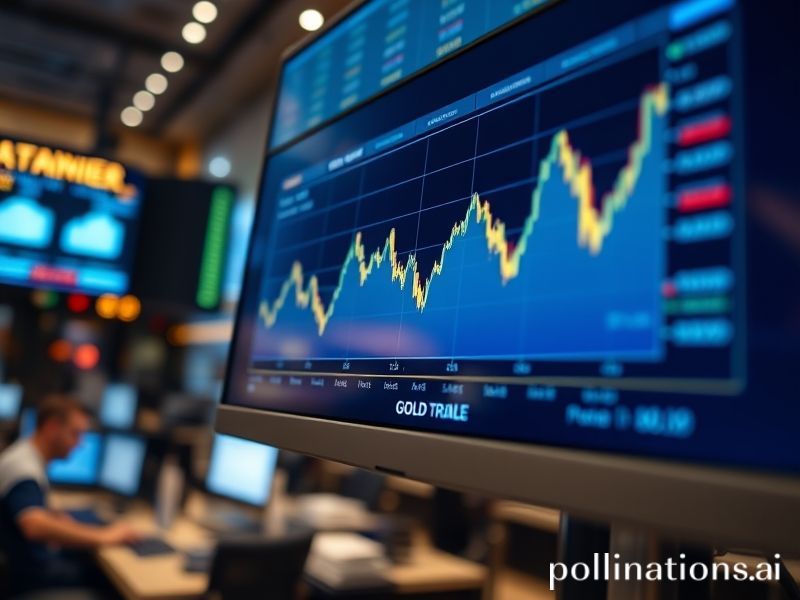
Argentina’s economic narrative remains dominated by cycles of boom and bust. The country defaulted on its sovereign debt in 2020, the ninth time in its history, and has since navigated austerity measures under President Javier Milei. Milei, a self-described libertarian, has promised sweeping reforms to curb inflation, which topped 200% in 2023. His shock therapy approach—slashing public spending and deregulating key sectors—has sparked both hope and controversy.
The peso’s rapid devaluation has made Argentina a cautionary tale for economists. Yet, the IMF’s recent agreements to restructure $44 billion in debt signal cautious optimism. The government’s push to dollarize parts of the economy reflects a radical departure from traditional Peronist policies, which once prioritized state intervention. For global investors, Argentina remains a high-risk, high-reward proposition. The country’s vast agricultural exports, particularly soy and beef, continue to attract trade partners despite the volatility.
Tourism, too, has rebounded as a lifeline. Cities like Buenos Aires and Mendoza draw visitors with affordable luxury and world-class wine regions. The government’s efforts to stabilize the peso have made Argentina a more accessible destination for Europeans and North Americans, though inflation still erodes purchasing power for locals.
Football’s eternal flame: More than just a game
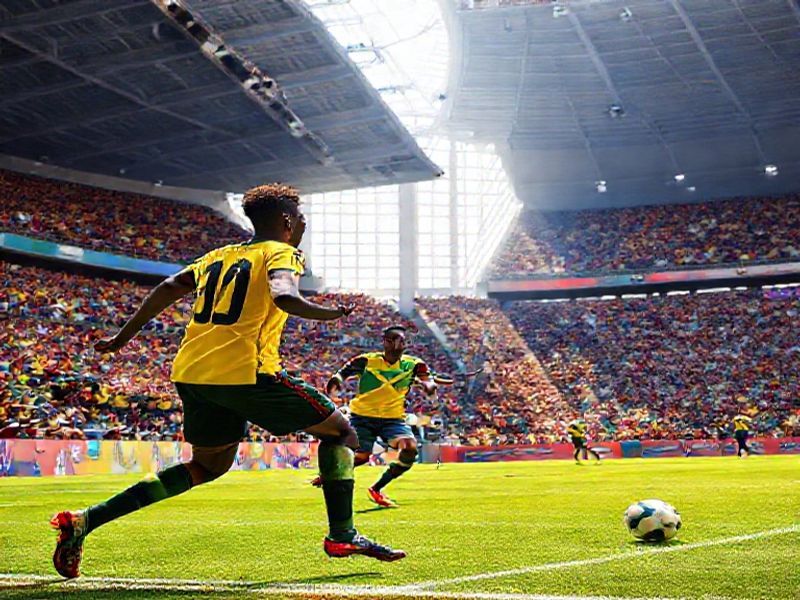
Argentine football transcends sport, embodying the nation’s passion and pride. The 2022 World Cup victory in Qatar cemented Lionel Messi’s legacy as one of history’s greatest players, but the celebration resonated beyond the pitch. The triumph became a unifying moment in a country fractured by economic hardship and political divides. Messi’s journey—from Rosario’s dusty streets to global stardom—mirrors Argentina’s own aspirations.
Clubs like Boca Juniors and River Plate remain cultural institutions, their Superclásico derbies drawing crowds of 80,000 to the Bombonera. These matches are more than sporting events; they are rituals of identity. The rise of young talents like Julián Álvarez and Thiago Almada underscores Argentina’s depth, ensuring the national team’s dominance in international competitions for years to come. Even in the face of financial struggles, Argentine football clubs continue to produce world-class players who dominate European leagues.
The global appeal of Argentine football has also fueled debates about player migration and brain drain. While clubs in Europe offer lucrative contracts, the emotional pull of representing the national team remains unmatched. The 2026 World Cup, co-hosted by the U.S., Canada, and Mexico, presents another opportunity for Argentina to assert its footballing supremacy.
Cultural exports: Tango, tango, and more
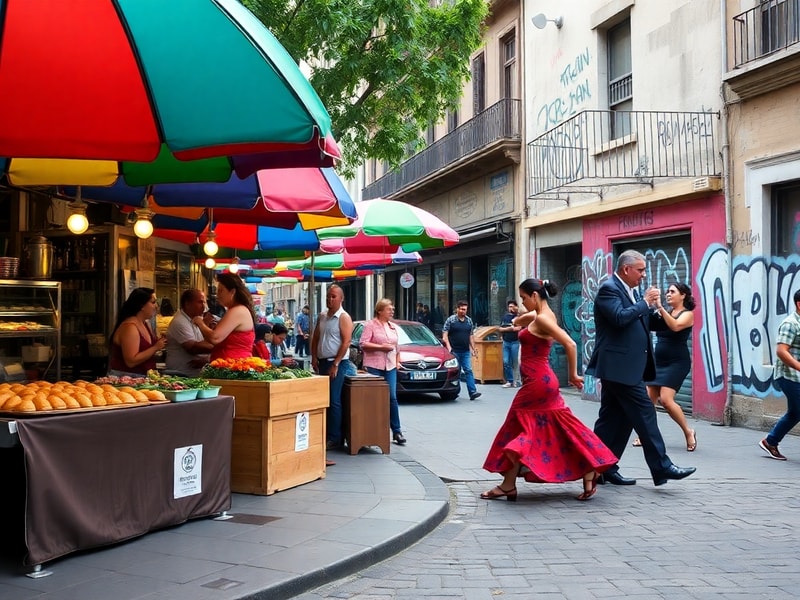
Argentina’s soft power thrives in its cultural exports. Tango, declared a UNESCO Intangible Cultural Heritage, is more than a dance; it’s a language of longing and nostalgia. Cities like Buenos Aires and Rosario host festivals year-round, attracting dancers from Tokyo to Berlin. The genre’s evolution—from brothels in La Boca to global stages—reflects Argentina’s ability to repurpose its traditions for modern audiences.
Music and literature also shape Argentina’s global image. Astor Piazzolla’s nuevo tango redefined the genre, while contemporary artists like Kevin Kaarl blend folk with indie influences. Writers like Samanta Schweblin and Guillermo Martínez have gained international acclaim, their works exploring Argentina’s dark undercurrents. The country’s literary scene, once dominated by giants like Borges and Cortázar, continues to innovate with new voices.
Cinema remains another frontier. Directors like Lucrecia Martel and Damián Szifron have pushed boundaries with films like Zama and Wild Tales. Argentina’s film industry, buoyed by government subsidies and international co-productions, consistently garners attention at festivals like Cannes and Berlin. Even in the face of economic constraints, creativity flourishes.
The digital frontier: Protests, memes, and misinformation
Argentina’s digital landscape is a battleground of activism and misinformation. Social media platforms have become essential tools for organizing protests, particularly against Milei’s reforms. Hashtags like #FueraMilei trend during periods of unrest, while memes satirize political figures with brutal efficiency. The country’s vibrant meme culture—a blend of humor and dissent—has inspired global movements, from Chile to Spain.
Yet, the digital realm is not without its challenges. Disinformation campaigns, often tied to political agendas, have sowed division. Fact-checking organizations like Chequeado play a crucial role in countering false narratives. Meanwhile, Argentina’s tech sector, centered in Buenos Aires and Córdoba, is emerging as a hub for startups. Companies like MercadoLibre and Globant, both founded by Argentine entrepreneurs, have become regional leaders in e-commerce and IT services.
The government’s push to digitize public services—despite infrastructure gaps—reflects a broader trend in Latin America. As Argentina navigates this digital transformation, it must balance innovation with equity, ensuring that technological advancements benefit all citizens.
Argentina today is a paradox: a nation of immense creativity and resilience, yet hamstrung by economic instability and political polarization. Its global influence—whether through football, culture, or digital innovation—remains undeniable. As the country charts its path forward, the world watches closely, recognizing that Argentina’s struggles and triumphs offer lessons for nations far beyond its borders.