Extreme Heat Warnings: A Global Crisis in 2024 and Beyond
From Phoenix to Delhi: The Growing Shadow of Extreme Heat Warnings
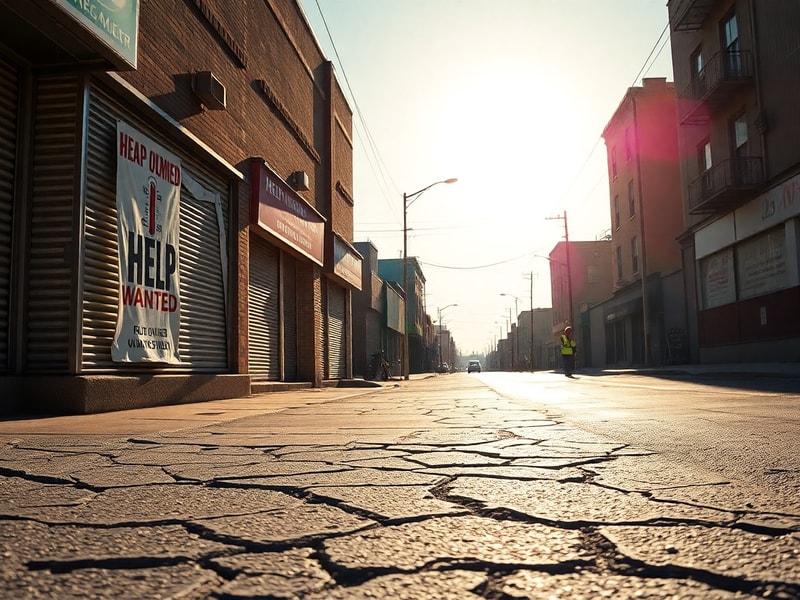
The first week of July 2024 brought a record-shattering heat wave to the American Southwest. Temperatures in Phoenix soared above 115°F for 16 consecutive days, shattering a 50-year-old benchmark. Emergency rooms filled with heatstroke cases. Sidewalks buckled. Airline flights were grounded as asphalt temperatures exceeded safe operating limits. This was not an isolated incident—it was a global pattern repeating itself across continents, from Delhi’s relentless 120°F afternoons to Rome’s 113°F streets, where tourists fainted in historic piazzas and wildfires ignited on the city’s outskirts.
Extreme heat warnings are no longer seasonal anomalies. They are becoming a permanent fixture of 21st-century life. Meteorologists now issue Level 4 alerts—“extreme danger”—with increasing frequency. Governments scramble to adapt: cooling centers open in warehouses, public pools extend hours, and employers reconsider outdoor labor policies. Yet the question lingers: Are we prepared for a world where extreme heat is the new normal?
The Science Behind the Scorch: Why Heat Waves Are Becoming More Extreme
Climate scientists point to a clear culprit: human-induced warming. The Earth has warmed by 1.2°C since pre-industrial times, and each fraction of a degree amplifies the intensity and duration of heat waves. According to the World Meteorological Organization, the past decade was the hottest on record. 2023 marked the first year in which every day exceeded 1°C above the 1850–1900 average.
Atmospheric patterns are also shifting. The jet stream, a high-altitude river of wind, is weakening and meandering more. When it stalls, it traps heat domes over large regions—like the one that baked the U.S. in July 2024. In Europe, researchers found that stalled high-pressure systems are now 20 times more likely due to climate change. The result? Heat waves that used to occur once every 50 years now strike every 10 years—and in some regions, every five.
Urbanization compounds the crisis. Cities create “heat islands,” where concrete, steel, and asphalt absorb and re-radiate heat. Nighttime temperatures in dense urban cores can remain 5–10°F higher than in surrounding rural areas. In Tokyo, heat-related deaths increased by 50% between 2010 and 2020. In Ahmedabad, India, a heat action plan reduced mortality by 30% after officials implemented early warning systems and public cooling spaces—but only after thousands had already died in 2010’s brutal 118°F heat wave.
A Global Pattern: Who Is Most at Risk?
The burden of extreme heat falls disproportionately on the vulnerable. The elderly, children, outdoor workers, and those with pre-existing health conditions face the highest risks. But geography and poverty determine survival. In wealthier nations, air conditioning provides a lifeline—yet it also deepens energy inequality. During a 2021 Pacific Northwest heat wave, Oregon recorded over 1,400 excess deaths. Many were elderly residents without adequate cooling. In contrast, countries like Saudi Arabia and the UAE have invested in massive desalination-powered cooling networks, yet still face rising heat-related illnesses among migrant laborers working on construction sites.
Here’s a snapshot of the most affected regions:
- South Asia: Bangladesh, India, and Pakistan experience some of the world’s deadliest heat waves. In 2022, a week-long event killed over 900 people in India and Pakistan. Temperatures reached 123°F in Jacobabad, Pakistan—near the limit of human survivability.
- North Africa: Algeria and Morocco have seen temperatures exceed 122°F in recent summers. In 2023, wildfires linked to extreme heat destroyed thousands of hectares of forest and displaced communities near Algiers.
- Europe: Southern Europe is warming faster than the global average. Spain and Portugal recorded all-time highs above 117°F in 2023. Wildfires in Greece forced evacuations of entire islands.
- North America: The U.S. Southwest and Canada’s Pacific Northwest are now hotspots. In 2021, Lytton, British Columbia, reached 121°F—then burned to the ground the next day in wildfires.
Indigenous communities and subsistence farmers face unique risks. In the Sahel region of Africa, nomadic herders report livestock deaths and water shortages that threaten their way of life. In Australia, Aboriginal communities in the Northern Territory have seen temperatures rise above 120°F, disrupting cultural practices tied to seasonal cycles.
Adaptation or Collapse: Can Societies Survive the Heat?
Some cities are taking bold steps. Ahmedabad’s heat action plan includes early warning systems, public cooling centers, and restrictions on outdoor labor during peak heat. Los Angeles has painted streets white to reflect sunlight and increased tree planting by 50% since 2019. Paris has installed misting stations and opened air-conditioned libraries during heat waves. These efforts save lives—but they come at a cost. Cooling infrastructure strains energy grids, and green spaces require water, a resource increasingly scarce in drought-stricken regions.
Yet not all adaptations are sustainable. In some Gulf states, authorities have experimented with artificial rain via cloud seeding, while others invest in futuristic “cooling tunnels” in public spaces. But these solutions often ignore the root cause: greenhouse gas emissions. Without systemic change, even the most innovative adaptation measures will be overwhelmed.
Cultural attitudes toward heat are also shifting. In many societies, enduring extreme heat is seen as a test of endurance. In India, for example, the monsoon is both feared and revered—yet as monsoon patterns become erratic, heat waves are now the dominant climate threat. In Japan, the tradition of natsu matsuri (summer festivals) is increasingly disrupted by heat, with officials canceling fireworks displays due to safety concerns. Meanwhile, in the Mediterranean, siestas are being reimagined as survival strategies rather than cultural quirks.
The psychological toll is real. Studies in the U.S. show a rise in anxiety and depression during prolonged heat waves. Children in schools without air conditioning fall behind academically. Outdoor workers—from farm laborers in California to construction crews in Dubai—face escalating health risks. The International Labour Organization warns that by 2030, heat stress could reduce global work hours by 2.2%, equivalent to 80 million full-time jobs.
Looking Ahead: Policy, Innovation, and Collective Action
Extreme heat warnings are not just weather alerts—they are signals of a planet out of balance. Governments are beginning to respond. The European Union has proposed a “Heat Health Action Plan” to coordinate responses across member states. The U.S. National Oceanic and Atmospheric Administration now issues seasonal heat outlooks, similar to hurricane forecasts. But these measures remain fragmented.
Innovation offers some hope. Researchers are developing heat-resistant building materials, such as reflective “cool roofs” and phase-change materials that absorb heat during the day and release it at night. Wearable technology, like cooling vests powered by phase-change crystals, is being tested for outdoor workers. In India, solar-powered water pumps are helping farmers irrigate crops during heat waves, reducing dehydration risks.
Yet technology alone cannot solve this crisis. The most effective adaptation strategy remains mitigation: reducing greenhouse gas emissions. The International Energy Agency estimates that limiting global warming to 1.5°C could prevent 420 million people from being exposed to extreme heat. That requires rapid transitions to renewable energy, electrification of transport, and sustainable urban planning.
Cultural resilience will also be key. Communities that preserve traditional knowledge—such as water harvesting in Rajasthan or shade-grown coffee in Colombia—are better equipped to withstand heat. Schools, workplaces, and public spaces must rethink their design to prioritize cooling and ventilation. Even personal habits are changing: in Dubai, some residents now schedule outdoor activities for early morning or after sunset, while in Phoenix, residents report spending more time indoors than ever before.
As climate models project more intense and frequent heat waves, the question is no longer whether we can adapt—but whether we can act fast enough. The warnings are here. The question is whether we will listen.
For more insights into how climate change is reshaping daily life, explore our Science section. To learn about sustainable urban planning in extreme climates, visit our Technology category.