What Vozinha Really Means in Portuguese Culture Beyond Grandmother
In Lisbon’s Alfama district, the word vozinha carries more than just linguistic weight. It’s a term of endearment, a cultural artifact, and a linguistic bridge between generations. While often translated simply as “grandmother” in English, its usage in Portugal and among Portuguese-speaking communities worldwide reveals layers of family structure, linguistic evolution, and social warmth. Far from being just a word, vozinha encapsulates how language preserves emotional bonds across time.
The Linguistic Roots and Regional Variations
The term vozinha is a diminutive form of avó, the Portuguese word for grandmother. In standard Portuguese, -inha is a suffix that conveys affection, intimacy, and smallness—transforming a neutral word into one laden with tenderness. But this linguistic device doesn’t exist in isolation. Similar diminutives appear across Romance languages: “nonnina” in Italian, “abuelita” in Spanish, “mamie” in French. Each reflects cultural attitudes toward aging and familial respect.
However, vozinha is not universally used across all Portuguese-speaking regions. In Brazil, for instance, the more common term is vovó, derived from avó with the suffix -ó, which also conveys affection but sounds more playful. In Cape Verde, another Portuguese-speaking nation, variations like vovó or vozinha appear depending on the island and community. This linguistic diversity highlights how language evolves within diasporas and colonial histories, adapting to local cultures while retaining emotional resonance.
Cultural Significance Beyond Language
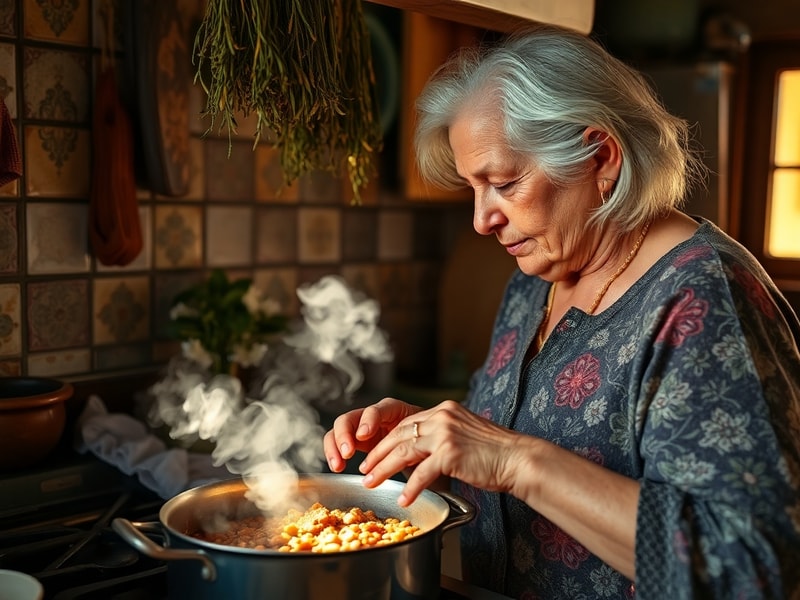
The role of the grandmother—vozinha—in Portuguese and Lusophone societies extends far beyond vocabulary. She is often the keeper of traditions: recipes passed down through generations, stories of migration and resilience, and moral guidance rooted in Catholic values. In rural Portugal, grandmothers were central to domestic life, managing households while younger family members worked in fields or migrated to cities or abroad for labor.
Today, the figure of the vozinha remains a symbol of continuity in an increasingly globalized world. In immigrant communities from Brazil to Boston, the vozinha becomes a cultural anchor. She preserves recipes like caldo verde or moqueca, teaches language through bedtime stories, and transmits values of family unity and respect for elders. Even when physical distance separates families, digital communication—voice notes, video calls, shared photos—keeps the vozinha spirit alive. This role has even inspired social media trends, with younger generations posting tributes to their vozinha under hashtags like #VozinhaDoCoracao.
The Modern Evolution: From Home to Digital Space
The concept of the vozinha has transcended traditional roles to become a cultural symbol in digital spaces. On platforms like Instagram and TikTok, younger creators share moments with their grandmothers, often using the term #Vozinha in captions. These posts range from cooking tutorials taught by grandmothers to emotional reunions after long separations. The term has even entered meme culture, with images of older women captioned “vozinha energy”—a playful nod to wisdom and warmth.
But this digital presence also raises questions about representation. Are grandmothers being celebrated or commodified? Is the vozinha archetype becoming a stereotype—one that romanticizes sacrifice without addressing the real challenges of aging, loneliness, or economic hardship? In Portugal, where over 20% of the population is over 65, these concerns are pressing. While the vozinha is revered, many face isolation, limited pensions, and inadequate healthcare. The cultural ideal doesn’t always match reality.
From Lisbon to Boston: A Global Family Portrait
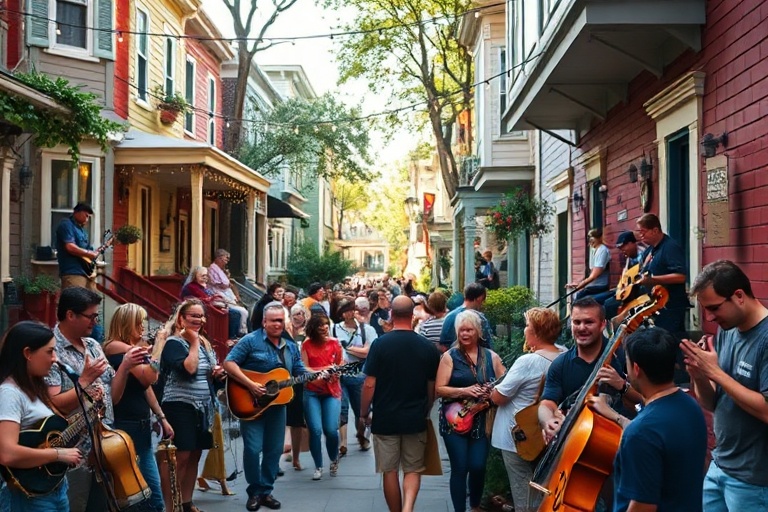
The global reach of the Portuguese diaspora has turned the vozinha into a transnational figure. In cities like Newark, New Jersey, and Toronto, Canadian cities with large Portuguese communities, the vozinha is a fixture in cultural festivals, church gatherings, and community centers. She is often seen in traditional dress, serving food at food festivals, or leading prayers during religious processions. These gatherings are not just social events—they are acts of cultural preservation.
For many second- and third-generation Portuguese-Americans, the vozinha is both a personal memory and a cultural touchstone. Some grow up speaking only English but learn Portuguese through their grandmother’s stories. Others inherit family recipes without knowing their origins. The vozinha becomes a living archive, her kitchen a classroom, her voice a bridge between past and present.
Yet, the transmission of language and culture isn’t automatic. Studies show that in many immigrant families, fluency in Portuguese declines with each generation. Grandchildren may understand the language but not speak it fluently. This creates a paradox: the vozinha is cherished, but her language—and the stories it carries—risks fading. Organizations like the Portuguese Language Institute have responded by offering adult classes and intergenerational programs, aiming to keep the linguistic and cultural flame alive.
Five Ways to Honor the Vozinha Legacy
Whether you’re part of a Portuguese-speaking family or simply value intergenerational bonds, there are meaningful ways to honor the vozinha spirit:
- Preserve the language: Learn or relearn Portuguese through apps, books, or local classes. Even basic phrases can deepen connection.
- Document stories: Record your grandmother’s life stories—her childhood, migrations, recipes, or advice. These are invaluable cultural assets.
- Cook together: Prepare dishes she taught you. Food is a powerful medium for memory and identity.
- Visit regularly: If distance separates you, plan trips during holidays or use video calls to stay close.
- Celebrate her role: Share her wisdom online, write about her influence, or support programs that empower older adults in your community.
The Future of Vozinha: Between Tradition and Transformation
The future of the vozinha is not static. As societies age and migration patterns shift, the role of the grandmother is evolving. In Portugal, policies now emphasize aging in place and intergenerational housing—projects that bring seniors and young people together to share daily life. In the diaspora, grandmothers are becoming tech-savvy, using WhatsApp to send voice messages or Zoom to attend family events across continents.
Yet, the emotional core remains unchanged. The vozinha is still the one who listens without judgment, who offers soup when you’re sick, who tells you, in her soft voice, that everything will be alright. She is the living embodiment of saudade—the Portuguese word for longing, a feeling that binds generations across time and space.
In a rapidly changing world, the vozinha reminds us that some things endure: love, memory, and the quiet strength of those who came before us. Whether called vozinha, vovó, or abuelita, her presence is a universal thread—one that stitches families, cultures, and histories together.