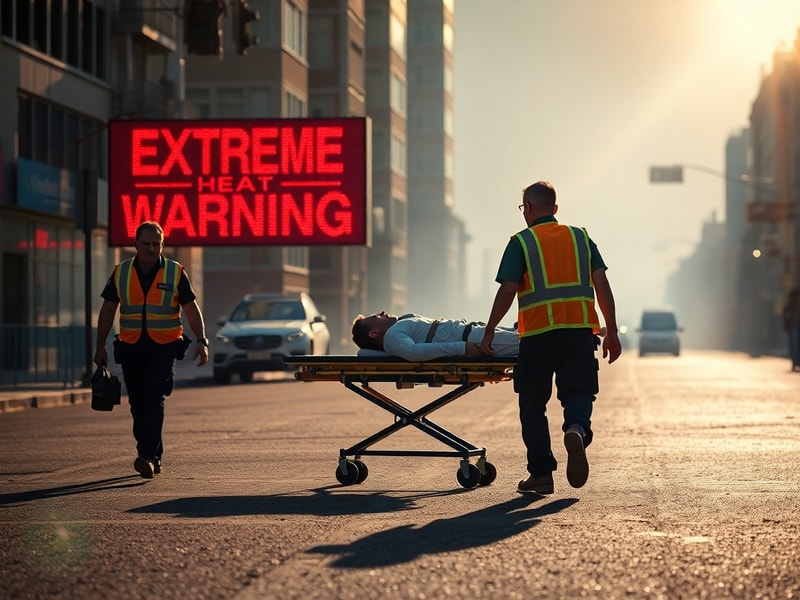
Extreme Heat Warnings: Risks, Impacts, and How to Stay Safe
Extreme heat warnings are becoming more frequent and severe across the United States, forcing communities to adapt to conditions that were once considered rare. The National Weather Service issues these alerts when temperatures or heat indices are expected to reach dangerous levels, posing risks to health, infrastructure, and daily life. Recent years have shown a clear trend: heat waves are lasting longer, reaching higher temperatures, and affecting broader areas than in the past. This shift is not just a meteorological observation; it reflects broader changes in global climate patterns that scientists warn will continue unless global emissions are significantly reduced.
The warnings are not limited to traditionally hot regions. Cities like Chicago, New York, and even parts of the Pacific Northwest have experienced record-breaking heat events in the last decade. In 2021, a heat dome over the Pacific Northwest led to hundreds of deaths and pushed temperatures in Portland, Oregon, to 116°F—far above the city’s historical averages. Such events underscore how extreme heat no longer spares any region, making preparedness essential for everyone, regardless of location.
Understanding the Warning System
Extreme heat warnings are issued by the National Weather Service (NWS) when conditions meet or exceed certain thresholds for at least two consecutive days. These thresholds vary by region but generally involve temperatures above 105°F or heat indices above 110°F. A heat index considers both temperature and humidity, providing a more accurate measure of how the body perceives heat. For example, a temperature of 96°F with 65% humidity can feel like 121°F, a level that poses severe health risks.
The NWS categorizes heat-related alerts into three main types:
- Excessive Heat Warning: Issued when extreme heat is imminent or already occurring, with heat indices expected to reach dangerous levels for at least two days. This is the most severe type of alert.
- Excessive Heat Watch: Issued when conditions are favorable for an excessive heat event within the next 24 to 72 hours. Residents should prepare for potential warnings.
- Heat Advisory: Issued when heat indices are expected to reach between 100°F and 105°F for at least two days. While less severe, these conditions can still pose risks, especially for vulnerable populations.
Each alert comes with specific recommendations, such as staying indoors during peak heat hours, drinking plenty of water, and checking on elderly neighbors or those without air conditioning. Ignoring these warnings can have deadly consequences, as seen in the 1995 Chicago heat wave, which resulted in over 700 deaths. The tragedy highlighted the importance of public awareness and preparedness in extreme heat events.
The Health Risks of Extreme Heat
Extreme heat is one of the deadliest weather-related hazards in the United States, claiming more lives annually than hurricanes, floods, or tornadoes. The human body is designed to regulate its temperature, but when exposed to prolonged heat, it can struggle to cool itself effectively. Sweating and increased blood flow to the skin help, but these mechanisms can fail in extreme conditions, leading to heat-related illnesses such as heat exhaustion and heat stroke.
Heat exhaustion symptoms include heavy sweating, weakness, dizziness, nausea, and headache. If untreated, it can progress to heat stroke, a life-threatening condition marked by a body temperature above 104°F, confusion, rapid pulse, and possible loss of consciousness. Heat stroke requires immediate medical attention, as it can cause permanent damage to the brain and other vital organs. Vulnerable populations—such as the elderly, infants, pregnant women, outdoor workers, and individuals with chronic illnesses—are at the highest risk. Urban areas face additional challenges due to the heat island effect, where concrete and asphalt trap heat, making cities several degrees hotter than surrounding rural areas.
Public health experts emphasize that staying hydrated and avoiding outdoor activities during peak heat hours are critical steps to prevent heat-related illnesses. Cooling centers, often set up in libraries, community centers, or schools, provide refuge for those without access to air conditioning. Cities like Phoenix and Los Angeles have expanded their cooling center networks in response to increasing demand during heat waves. However, accessibility remains an issue for many, particularly low-income residents and the homeless population, who often lack reliable transportation to these facilities.
Economic and Infrastructure Impacts
The economic toll of extreme heat extends far beyond healthcare costs. Businesses, especially those in outdoor industries like construction, agriculture, and tourism, face disruptions when temperatures soar. Construction workers, for example, are often required to halt operations during extreme heat to comply with safety regulations. The Occupational Safety and Health Administration (OSHA) has issued guidelines for employers, recommending frequent breaks, access to shade, and unlimited water supplies. Yet, not all employers adhere to these guidelines, putting workers at risk.
Agriculture, a $1.2 trillion industry in the U.S., is particularly vulnerable to extreme heat. Crops like corn and soybeans, which rely on consistent temperatures, can suffer significant yield losses when heat waves coincide with critical growth periods. Livestock are also affected; dairy cows produce less milk in high temperatures, and poultry farms face increased mortality rates. The 2021 heat wave in the Pacific Northwest led to the deaths of over 1 million farm animals, highlighting the sector’s vulnerability.
Infrastructure strains under extreme heat as well. Roads and bridges can buckle in high temperatures, while power grids face increased demand as residents crank up air conditioning. In 2022, California’s grid operator issued multiple flex alerts, urging residents to conserve energy during heat waves to prevent blackouts. The strain on infrastructure is expected to worsen as climate change intensifies, prompting cities to invest in heat-resilient materials and cooling technologies. For example, Los Angeles has begun painting streets with reflective coatings to reduce surface temperatures, while Phoenix has expanded its tree-planting initiatives to provide natural shade.
Beyond immediate disruptions, extreme heat can have long-term economic consequences. Tourism-dependent regions, such as national parks and coastal areas, may see reduced visitor numbers during heat waves, impacting local economies. The travel industry is already adapting, with some resorts offering indoor activities or discounted rates during peak heat months. Meanwhile, insurance companies are reassessing their risk models, as extreme weather events—including heat waves—become more frequent. Some insurers have even pulled coverage from high-risk areas, leaving homeowners and businesses exposed to financial losses.
Preparing for the Next Heat Wave
As extreme heat becomes a recurring reality, communities and individuals must take proactive steps to mitigate its impacts. Local governments play a crucial role in implementing long-term strategies, such as expanding green spaces, increasing public cooling centers, and enforcing heat safety regulations for workers. The Biden administration’s Climate Resilience Toolkit provides resources for cities to develop heat action plans, including early warning systems and community outreach programs.
For individuals, preparation starts with staying informed. Signing up for local weather alerts and monitoring the NWS website can provide timely updates on impending heat waves. Creating a heat emergency kit with water, non-perishable food, medications, and a portable fan can be a lifesaver during prolonged outages. Homeowners should also inspect their air conditioning units and ensure they are in working order before the summer season begins. Renters should communicate with landlords about cooling systems and window coverings to block out heat.
Public awareness campaigns, such as those led by the American Red Cross, emphasize the importance of checking on neighbors during heat waves, particularly the elderly and those with disabilities. Social isolation can be deadly in extreme heat, as vulnerable individuals may not realize they are in danger until it’s too late. Simple gestures, like a phone call or a knock on the door, can make a significant difference. Schools and workplaces should also review their heat safety policies, ensuring that outdoor activities are minimized or rescheduled during extreme heat events.
The fight against extreme heat is not just about survival; it’s about adaptation. Cities like Miami and New Orleans are exploring innovative solutions, such as underground cooling tunnels and heat-reflective roofing materials. These investments may seem costly upfront, but they pale in comparison to the economic and human costs of inaction. As temperatures continue to rise, the choices we make today will determine how well we—and future generations—can weather the heat.