The Chipotle App: How a Fast-Casual Giant Reinvented Digital Dining
Chipotle’s mobile app didn’t just streamline ordering—it reshaped expectations for fast-casual dining across the globe. Since its launch in 2014, the app has evolved from a simple convenience tool into a cultural touchstone, blending loyalty rewards, delivery partnerships, and even gaming into a seamless food experience. With over 30 million downloads and a reported 30% of digital orders flowing through its platform, the app stands as a case study in how a brand can turn technology into a competitive edge.
What began as a response to rising demand for contactless transactions has grown into a multi-billion-dollar digital ecosystem. Unlike traditional fast-food apps, which often prioritize speed above all else, Chipotle’s platform balances efficiency with engagement. It rewards users for repeat behavior, integrates third-party delivery services, and even introduces playful elements like the “Chipotle Rewards” tiered system. This approach reflects a broader shift in consumer behavior, where convenience and personalization now rival food quality as key drivers of brand loyalty.
The Rise of the Fast-Casual Digital Front
Chipotle’s journey into digital dining mirrors the rapid transformation of the restaurant industry worldwide. In the early 2010s, fast-casual chains like Chipotle, Panera, and Sweetgreen began investing in mobile ordering as a way to reduce wait times and improve customer satisfaction. But Chipotle took it further by embedding its app into a full-fledged loyalty program, launching in 2017, which allowed users to earn points for free meals and exclusive perks.
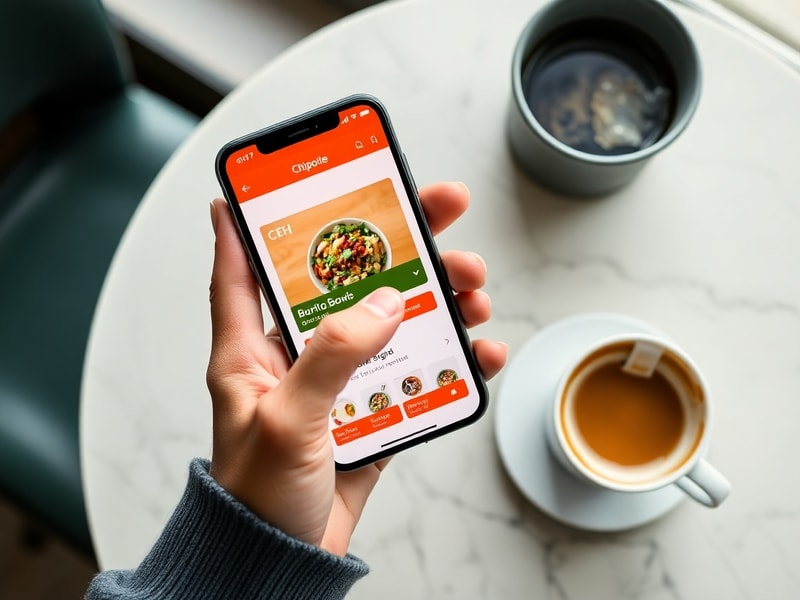
The app’s design prioritizes simplicity and speed. Users can customize burritos, bowls, and tacos in under 30 seconds, skip the line entirely, and even schedule orders for pickup at specific times. This level of control resonated globally, especially in urban centers where time is a luxury. In cities like London, Tokyo, and Toronto, where fast-casual dining is growing, the Chipotle app became a model for how to blend tradition with innovation.
Rewards That Go Beyond the Burrito
At the core of the Chipotle app’s success is its rewards system, which has redefined customer retention in the food industry. Unlike punch cards of the past, Chipotle’s tiered loyalty program offers real-time benefits based on spending. Members earn 10 points per dollar spent, with bonuses for birthdays, app-exclusive offers, and seasonal challenges.
The rewards structure is straightforward but effective:
- Bronze (0–5,000 points): Welcome offers and birthday rewards
- Silver (5,001–10,000 points): Free chips and guacamole, exclusive menu access
- Gold (10,001+ points): Free entrees, priority access to limited-time items
This tiered system encourages consistent engagement. Users aren’t just ordering once—they’re returning to reach the next level. In markets like Mexico City and Sydney, where food delivery apps are highly competitive, Chipotle’s rewards program has helped it stand out by offering tangible value beyond the meal itself.
Gaming Meets Guacamole: The Chipotle Rewards Play
Chipotle’s most innovative move came in 2020 when it launched “Chipotle Rewards Arcade,” a gamified extension of its loyalty program. Users could earn bonus points by playing simple browser-based games like “Chipotle Ghost Hunt” and “Chipotle Bingo.” The games were lighthearted, visually engaging, and—most importantly—easy to share on social media.
This wasn’t just a gimmick. It tapped into a growing trend among Gen Z and millennial consumers, who increasingly expect brands to offer interactive experiences. According to a 2023 report by Deloitte, 63% of Gen Z consumers are more likely to engage with a brand that incorporates gaming elements. By blending food with play, Chipotle positioned itself not just as a restaurant, but as a lifestyle platform.
The arcade’s success led to further integrations, including partnerships with gaming influencers and even a limited-time collaboration with the popular game “Fortnite.” This crossover between food and gaming reflects a broader cultural shift where digital experiences are as important as physical ones. In markets like South Korea, where gaming culture is deeply embedded, such strategies have helped Chipotle build brand affinity among younger audiences.
Global Expansion Through Digital Infrastructure
While Chipotle originated in the United States, its app has played a crucial role in international expansion. The company’s entry into Europe, Asia, and Australia has relied heavily on digital infrastructure to maintain consistency across diverse markets. In the UK, where Chipotle opened its first location in 2022, the app was pre-installed with region-specific payment methods and localized menu options.
This adaptability is key in global markets, where consumer preferences vary widely. In Japan, for example, the app offers a “lunch set” feature optimized for office workers, while in Mexico, it highlights local ingredients like chorizo and avocado varieties. The app’s backend system ensures that promotions, rewards, and even game challenges can be tailored without disrupting the core user experience.
Digital ordering also mitigates challenges in markets with high delivery demand but limited restaurant infrastructure. In India, where third-party delivery platforms dominate, Chipotle’s app integrates seamlessly with services like Swiggy and Zomato, allowing users to order without leaving the delivery ecosystem they already trust.
The Future of Fast Food Is in the Palm of Your Hand
Looking ahead, the Chipotle app is poised to evolve even further. With advancements in AI and predictive analytics, the platform could soon offer hyper-personalized recommendations based on past orders, dietary preferences, and even local trends. Imagine an app that suggests a vegan bowl in Berlin, a spicy burrito in Bangkok, or a kid’s meal in Chicago—all before the user even opens the app.
There’s also potential for deeper integration with smart kitchen technology. Some Chipotle locations already use automated prep stations, and the app could one day sync with these systems to predict order volume and adjust staffing in real time. This level of sophistication would further reduce wait times and improve operational efficiency.
Yet, challenges remain. As more restaurants adopt digital ordering, standing out will require more than just convenience—it will demand authenticity and connection. Chipotle’s success lies in its ability to balance technology with its core identity: fresh, customizable food served with a side of cultural relevance.
The Chipotle app isn’t just a tool for ordering a burrito. It’s a reflection of how modern consumers interact with brands—seeking speed, personalization, and engagement in equal measure. In an era where digital experiences shape real-world behavior, Chipotle has turned its app into more than a utility. It’s a bridge between tradition and innovation, proving that even in a fast-paced world, the best dining experiences are built on a foundation of trust, simplicity, and a little bit of fun.