Why Vancouver Stands Out as Canada’s Most Dynamic City
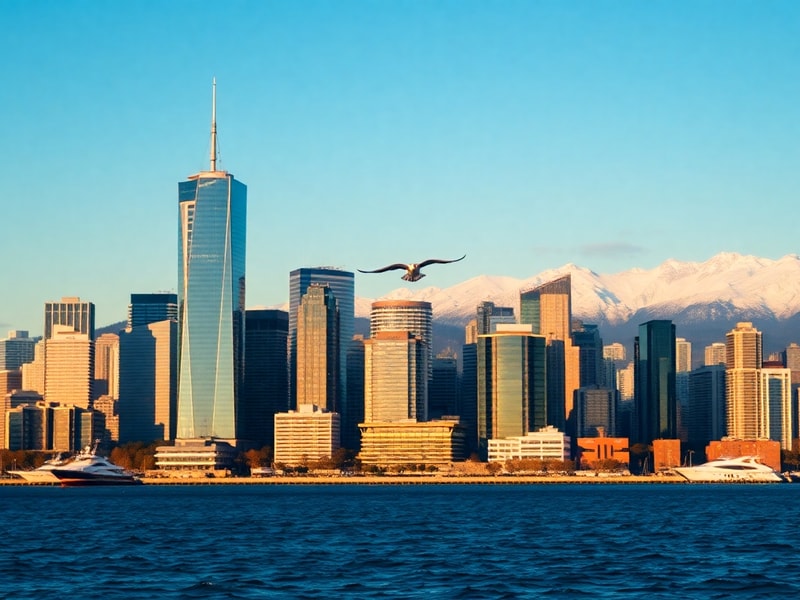
Nestled between the Pacific Ocean and the Coast Mountains, Vancouver stands as one of Canada’s most breathtaking urban landscapes. With a population of nearly 675,000 within city limits and over 2.6 million in the broader metropolitan area, it blends natural beauty with cosmopolitan energy. The city consistently ranks among the world’s most livable places, thanks to its clean air, abundant green spaces, and vibrant cultural scene. Yet beneath its postcard-perfect exterior lies a dynamic metropolis shaped by immigration, innovation, and environmental ambition.
Urban living meets wilderness: Vancouver’s geography
Vancouver’s geography is both its defining feature and its greatest challenge. The city occupies a narrow strip of land squeezed between the Burrard Inlet and the North Shore Mountains. Stanley Park, a 400-hectare urban forest, offers residents and visitors alike a lush escape minutes from downtown. Meanwhile, the nearby North Shore peaks provide year-round outdoor recreation, from skiing at Grouse Mountain to hiking the Grouse Grind trail. This proximity to nature influences everything from real estate prices to daily commutes.
However, this unique setting also creates logistical hurdles. Vancouver’s geography limits sprawl, pushing housing development upward rather than outward. The result is one of the most densely populated cities in North America, with sky-high condominiums dominating the skyline. Traffic congestion remains a persistent issue, exacerbated by the lack of a robust freeway system. The city’s 2040 Transportation Plan aims to address this through expanded public transit, including the Broadway subway extension and new light rail lines.
A multicultural hub with global influences
Vancouver’s identity is deeply tied to its multicultural fabric. Over 50% of residents speak a first language other than English or French, reflecting waves of immigration from Asia, Europe, and beyond. Chinatown, one of the largest in North America, pulses with activity around Main Street and Pender. Punjabi Market, affectionately known as “Little India,” thrives with vibrant storefronts and aromatic street food. Commercial Drive, or “The Drive,” serves as the heart of the city’s Italian, Latin American, and queer communities.
This diversity extends to cuisine, where Vancouverites enjoy everything from fresh sushi at local eateries to authentic dim sum in Richmond. The city’s food scene has evolved into a global contender, with chefs like Vikram Vij and David Robertson earning international acclaim. Meanwhile, festivals like the Vancouver International Film Festival and Celebration of Light fireworks competition draw audiences from around the world. These events underscore Vancouver’s role as a cultural crossroads, where traditions from across the globe coexist and thrive.
Yet the city’s multiculturalism isn’t without tension. Rising housing costs have displaced long-standing immigrant communities, particularly in East Vancouver. Gentrification pressures threaten the affordability of neighborhoods like Strathcona and Grandview-Woodland. The city has responded with policies like the Empty Homes Tax and Short-Term Rental Licensing, though critics argue these measures haven’t gone far enough to protect vulnerable populations.
Environmental leadership in an era of climate change
Vancouver has positioned itself as a global leader in sustainability, with ambitious goals like achieving carbon neutrality by 2030. The city aims to derive 100% of its energy from renewable sources, a target supported by investments in hydroelectric power and solar initiatives. Green spaces are prioritized, with every resident living within a five-minute walk of a park. The False Creek Neighbourhood Energy Utility, a district energy system, heats and cools buildings using waste heat from sewage—a model of circular economy principles.
Despite these efforts, Vancouver faces significant climate challenges. Wildfire smoke from interior British Columbia frequently blankets the city in summer, posing health risks. Coastal flooding and sea-level rise threaten low-lying areas like False Creek and the Fraser River delta. The city’s Climate Adaptation Strategy outlines measures such as flood-proofing infrastructure and restoring natural shoreline buffers. Yet critics point out that progress has been slow, with some projects delayed by bureaucratic hurdles or lack of funding.
Another contentious issue is transportation emissions. While Vancouver boasts one of the highest rates of cycling commuting in North America, car dependency persists outside the downtown core. The city’s bike lanes, though popular, have sparked debate among residents and businesses. Some argue they prioritize cyclists over drivers, while others see them as essential to reducing emissions. The expansion of the transit system, including the upcoming SkyTrain extension to UBC, aims to shift more commuters away from private vehicles.
Economic drivers: innovation, film, and real estate
Vancouver’s economy is a study in contrasts. The city is home to major corporations like Amazon, Microsoft, and Hootsuite, which have established significant operations in the downtown area. The tech sector has grown exponentially, earning Vancouver the nickname “Silicon Valley North.” This boom has fueled demand for office space and talent, though it has also contributed to rising living costs. Startups in sectors like cleantech, biotech, and AI are flourishing, supported by institutions like the University of British Columbia and SFU’s VentureLabs.
The film industry is another economic powerhouse. Vancouver is the third-largest production center for film and television in North America, trailing only Los Angeles and New York. Studios like The Bridge Studios and North Shore Studios have hosted blockbusters such as Deadpool, Deadpool 2, and Jumanji: The Next Level. The city’s diverse landscapes, from mountains to urban streets, provide a versatile backdrop for productions. However, the industry’s reliance on tax incentives has sparked debate over whether the benefits outweigh the costs to local taxpayers.
Real estate remains the city’s most contentious economic driver. Vancouver’s housing market is among the most expensive in the world, with detached homes frequently exceeding $2 million. Foreign investment and speculative buying have long been blamed for driving up prices, though data suggests domestic buyers and local investors play a larger role. The city has implemented measures like the Speculation and Vacancy Tax and the Vacancy Tax to curb speculation and increase housing supply. Yet affordability remains a pressing issue, particularly for renters and first-time buyers.
Investors and residents alike watch the market closely, with many opting for condominiums or townhomes as more affordable alternatives. The development of neighborhoods like Olympic Village and Concord Pacific Place has transformed former industrial zones into vibrant residential and commercial hubs. These projects highlight the tension between growth and livability, as the city grapples with balancing density with community character.
Education and innovation: shaping the next generation
Vancouver’s education system reflects its multicultural identity and commitment to innovation. The Vancouver School Board oversees a diverse network of public schools, including French immersion and Mandarin bilingual programs. Meanwhile, private schools like St. George’s and Crofton House cater to affluent families seeking specialized curricula. Post-secondary institutions such as the University of British Columbia (UBC) and Simon Fraser University (SFU) are global research powerhouses, attracting students and scholars from around the world.
UBC, located on the city’s west side, is a cornerstone of Vancouver’s intellectual and cultural life. The university’s campus is a blend of historic architecture and modern sustainability initiatives, including the Centre for Interactive Research on Sustainability. SFU, with its downtown campus and mountain-top Burnaby location, emphasizes interdisciplinary learning and community engagement. These institutions drive innovation in fields like climate science, artificial intelligence, and Indigenous studies.
The city’s focus on education extends to its youth programs and public libraries. Organizations like the Vancouver Public Library offer free access to resources, workshops, and cultural events. Meanwhile, non-profits and community centers provide mentorship and skill-building opportunities for at-risk youth. These initiatives underscore Vancouver’s belief in education as a tool for social mobility and community development.
However, challenges persist. Underfunding, overcrowding, and disparities in resources between schools remain pressing issues. Indigenous students, in particular, face systemic barriers to educational attainment. The city and school districts are working to address these gaps through initiatives like the Indigenous Education Enhancement Agreement, which aims to improve outcomes for Indigenous learners.
Vancouver’s story is one of contrasts: a city of towering mountains and towering real estate prices, of bustling cultural diversity and stark economic inequality. It is a place where innovation thrives amid environmental urgency, and where the pursuit of livability often clashes with the realities of growth. Yet through it all, Vancouver retains a spirit of resilience and adaptability. Whether it’s through its culinary scene, its commitment to sustainability, or its role in the global film industry, the city continues to evolve while staying true to its unique identity. For residents and visitors alike, Vancouver offers not just a place to live, but a place to imagine the future.