Understanding Flood Watches: Risks, Responses, and Readiness
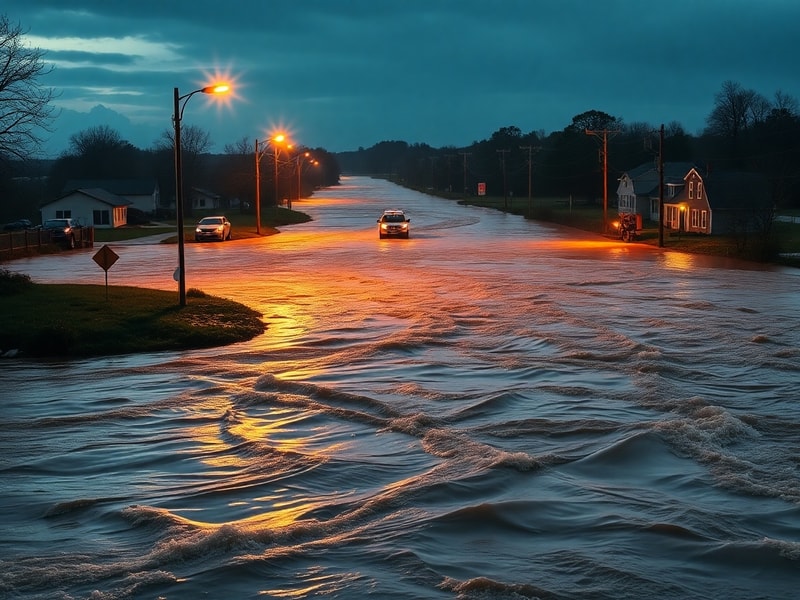
Flood watches are issued when conditions become favorable for flooding, even if the flooding isn’t happening yet. Unlike a warning, which means flooding is imminent or already occurring, a watch serves as an early heads-up to prepare. These alerts often arrive with little warning, catching residents off guard when heavy rain, rapid snowmelt, or dam failures create sudden risks. The unpredictability of flood watches underscores the need for proactive planning, especially in regions prone to extreme weather.
Why flood watches matter beyond the immediate threat
Beyond the obvious danger of rising water, flood watches expose vulnerabilities in infrastructure, emergency response systems, and community preparedness. When a watch is issued, local governments scramble to assess road conditions, drainage systems, and evacuation routes. Power outages frequently follow, disrupting communications and leaving residents without critical updates. Insurance claims also surge after flood watches turn into warnings, as homeowners file for damages that could have been mitigated with early action.
Floods don’t just damage property—they reshape economies. Agricultural areas face crop destruction, while businesses in floodplains endure prolonged closures. In urban centers, subway systems and underground utilities become susceptible to water infiltration, leading to costly repairs and service disruptions. The ripple effects extend to insurance markets, where premiums rise in high-risk zones, pricing out some property owners entirely.
How flood watches are decided—and who decides
The National Weather Service (NWS) issues flood watches based on a combination of meteorological data, soil saturation levels, and river flow rates. Hydrologists use advanced modeling to predict how much rain will trigger flooding, but the process isn’t foolproof. Sudden cloudbursts or stalled weather systems can overwhelm forecasts, leaving communities scrambling. Local emergency managers then decide whether to preemptively close roads, open shelters, or issue voluntary evacuations.
Technology plays a growing role in improving watch accuracy. Doppler radar now provides real-time rainfall estimates, while AI-driven flood prediction tools analyze historical data to refine warnings. Despite these advancements, human judgment remains crucial. In 2021, the NWS issued a flood watch for Tennessee just hours before catastrophic flash flooding killed 22 people. The rapid onset of rain overwhelmed systems, highlighting the limits of even the most sophisticated tools.
Key factors influencing flood watch decisions include:
- Precipitation forecasts: Expected rainfall amounts and intensity over a 24- to 48-hour period.
- Soil moisture levels: Saturated ground can’t absorb additional water, increasing runoff risks.
- River and stream gauges: Rising water levels in nearby waterways signal potential overflow.
- Dam and levee conditions: Structural weaknesses or high water pressure can lead to failures.
- Urban vs. rural terrain: Pavement and concrete accelerate runoff in cities, while rural areas may experience slower, but more widespread, flooding.
Preparing for a flood watch: What to do before the rain starts
When a flood watch is announced, time is the most critical resource. Residents should prioritize securing valuables, moving vehicles to higher ground, and stocking up on emergency supplies like water, non-perishable food, and flashlights. Sandbags can redirect water away from homes, but they’re only effective if placed correctly. For those in flood-prone neighborhoods, reviewing evacuation routes and identifying nearby shelters should happen immediately.
Property owners must also consider long-term protections, such as elevating electrical systems or installing sump pumps. Renters, often overlooked in flood planning, should ask landlords about building flood history and whether renters’ insurance covers water damage. Even small steps, like clearing gutters and downspouts, can reduce the risk of basement flooding during a watch period.
Technology offers additional layers of preparedness. Apps like Dave’s Locker Technology section features tools that track local flood risks in real time. Community alert systems, such as Wireless Emergency Alerts (WEA), push notifications to phones, ensuring no one misses an update. Social media platforms also serve as informal warning systems, with neighbors sharing photos of rising water or blocked roads.
The human cost: Stories from flood watch zones
Behind every flood watch are real people facing impossible choices. In 2022, residents of Jackson, Mississippi, lived under a flood watch for weeks as the Pearl River neared record levels. Many evacuated, but others stayed, relying on sandbags to protect their homes. When the river crested, entire neighborhoods were submerged, leaving some without power for days. The crisis exposed gaps in the city’s aging infrastructure and emergency response coordination.
In contrast, proactive communities fare better. After a 2019 flood watch in Nebraska, volunteers worked through the night to reinforce levees, preventing a potential disaster. The effort demonstrated how local engagement can turn a watch into a manageable situation rather than a catastrophe.
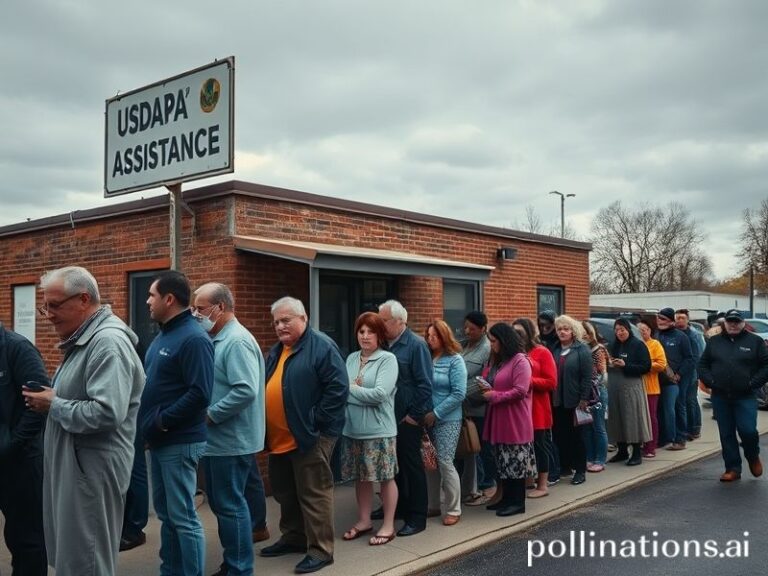
Flood watches also disproportionately affect marginalized groups. Low-income neighborhoods often lack resources to prepare, while renters may have no control over property modifications. Elderly residents and those with disabilities face additional challenges in evacuating quickly. These disparities highlight the need for equitable flood preparedness strategies, ensuring no community is left behind when the waters rise.
Looking ahead: Can we reduce reliance on flood watches?
The future of flood watches may lie in smarter infrastructure and predictive analytics. Cities like Rotterdam and Copenhagen have invested in “water plazas” and green roofs that absorb excess rain, reducing flood risks. Meanwhile, the U.S. Army Corps of Engineers is testing flood barriers that deploy automatically when sensors detect rising water levels. These innovations could eventually make flood watches a relic of the past—or at least reduce their frequency.
Until then, flood watches will remain a necessary, if imperfect, tool for public safety. Their true value lies not in the alert itself, but in how communities respond. With climate change intensifying storms and rainfall patterns, the stakes are higher than ever. Preparation, vigilance, and equitable planning will determine whether a flood watch becomes a minor inconvenience or a life-altering event.
For ongoing updates on weather alerts and emergency preparedness, bookmark Dave’s Locker Weather category page. Staying informed is the first step toward staying safe.