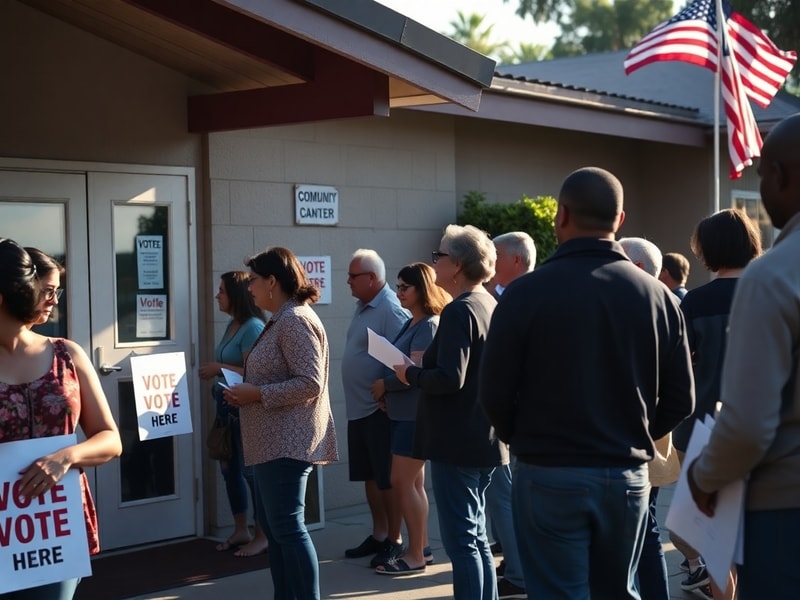
Dan Goldman’s name has become synonymous with a generation of political strategists who blend digital savvy with old-school messaging. His work on campaigns from local elections to presidential races has reshaped how candidates communicate with voters. Goldman’s rise mirrors the broader shift in politics toward data-driven persuasion and rapid-response messaging.
Born in New York City, Goldman studied political science at Yale before cutting his teeth in the cutthroat world of New York politics. His early career included stints on Capitol Hill and in state government, where he honed skills in policy analysis and coalition-building. But it was his pivot to digital strategy that set him apart. By the mid-2010s, Goldman had become a sought-after consultant, helping candidates navigate the fast-evolving landscape of social media and micro-targeting.
Goldman’s influence extends beyond the United States. His strategies have been adopted by political operatives in Europe, Latin America, and Asia, where digital campaigns are increasingly critical to electoral success. In countries with restrictive media environments, Goldman’s techniques have allowed opposition figures to bypass state-controlled narratives and reach audiences directly. This global reach underscores a broader trend: the democratization of political communication, where tools once reserved for major parties are now accessible to insurgent campaigns.
How Dan Goldman Redefined Digital Campaigning
Goldman’s approach to digital campaigning is less about viral moments and more about precision. He treats social media as a laboratory for testing messages, using analytics to refine content in real time. His campaigns often deploy A/B testing on everything from email subject lines to Facebook ad imagery, ensuring every interaction is optimized for maximum impact.
One of his most notable innovations is the use of “rapid-response creative.” Instead of waiting for days to craft a response to an opponent’s attack, Goldman’s teams generate counter-messages within hours—sometimes minutes. This agility has become a hallmark of modern campaigning, where the news cycle moves faster than ever. In 2020, his strategies helped flip several congressional districts by neutralizing attacks before they gained traction.
Goldman’s work also highlights the ethical dilemmas of digital campaigning. His use of micro-targeting, which involves tailoring ads to specific voter segments based on data like browsing history and purchasing habits, has sparked debates about privacy and manipulation. Critics argue that such tactics exploit personal data without adequate transparency. Goldman, however, defends the approach as a necessary evolution in a crowded media landscape, where generic messaging no longer resonates.
The Cultural Impact of Goldman’s Strategies
Goldman’s influence isn’t limited to politics. His strategies have seeped into corporate branding, nonprofit advocacy, and even sports campaigns. The 2022 FIFA World Cup, for example, saw teams using Goldman-inspired techniques to engage global audiences, blending data analytics with cultural storytelling. This crossover reflects a broader blurring of lines between political and commercial communication.
Culturally, Goldman’s rise speaks to the growing power of narrative in the digital age. In an era of information overload, his campaigns prioritize clarity and consistency. Whether it’s a candidate’s core message or a brand’s identity, Goldman’s work emphasizes the need for repetition and reinforcement. This approach has resonated in regions where political trust is eroded, as voters crave authenticity over spectacle.
Yet, Goldman’s strategies also highlight the challenges of maintaining authenticity in a hyper-connected world. The more campaigns rely on data, the more they risk losing the human touch. Goldman himself has acknowledged this tension, advocating for a balance between analytics and genuine connection. His recent projects, for instance, incorporate more personal storytelling, using video testimonials and grassroots events to humanize candidates.
Controversies and Criticisms
Goldman’s career hasn’t been without controversy. His involvement in the 2018 Georgia gubernatorial race drew scrutiny when opponents accused his team of spreading disinformation. While Goldman denied any wrongdoing, the incident underscored the risks of unchecked digital campaigning. Such controversies have fueled calls for stricter regulations on political advertising, particularly on social media platforms.
Another criticism targets Goldman’s reliance on third-party data brokers, which aggregate personal information from sources like loyalty programs and browsing habits. Privacy advocates argue that this practice exploits loopholes in data protection laws, particularly in regions with weak regulations. Goldman has countered that his campaigns operate within legal boundaries, but the debate highlights the need for clearer ethical guidelines.
Goldman’s response to these challenges has been pragmatic. He has advocated for greater transparency in digital campaigning, including disclosures about ad targeting and data sources. His teams now include ethics officers to review tactics and ensure compliance with evolving regulations. This shift reflects a broader reckoning in the industry, where operatives are increasingly held accountable for their methods.
Goldman’s Legacy and the Future of Campaigning
As Goldman’s career evolves, his legacy is taking shape. He is often cited as a pioneer of the “digital-first” campaign, where social media isn’t just an add-on but the primary battleground. His influence can be seen in the strategies of candidates from Tokyo to Toronto, who now prioritize platforms like TikTok and Instagram over traditional media buys.
Looking ahead, Goldman’s work points to several key trends:
- Hyper-personalization: Campaigns will use AI to tailor messages to individual voters, creating what Goldman calls “one-to-one persuasion.”
- Decentralized organizing: Grassroots movements will rely less on top-down structures and more on digital networks, as seen in recent pro-democracy protests.
- Regulatory adaptation: Governments will scramble to keep pace with technological advancements, leading to patchwork regulations that vary by region.
Goldman’s most enduring contribution, however, may be his emphasis on adaptability. In a field where yesterday’s tactics can become today’s failures, his willingness to experiment and pivot has set a new standard. Whether through viral videos or data-driven mailers, his campaigns prove that success in politics often hinges on the ability to stay one step ahead.
For aspiring strategists, Goldman’s career offers a blueprint: master the tools of the digital age, but never lose sight of the human element. In a world where algorithms often dictate outcomes, his work reminds us that politics, at its core, is still about people.