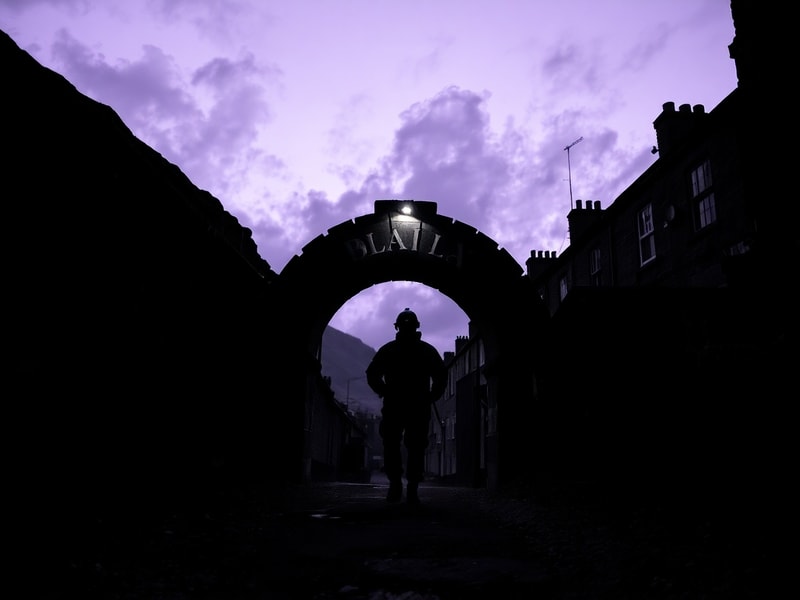
The Forgotten Gems of Blaina: A Welsh Town’s Quiet Legacy
Nestled in the South Wales Valleys, Blaina is a town that often slips through the cracks of history. With a population just shy of 5,000, it isn’t a place that makes international headlines or draws hordes of tourists. Yet its story is one of resilience, transformation, and an unyielding community spirit that has shaped its identity across centuries. From its industrial roots to its modern-day challenges, Blaina offers a compelling case study in how small towns adapt—or struggle to adapt—to the relentless march of progress.
To understand Blaina today, we must first look to its past. The town’s origins are deeply tied to the industrial revolution, when coal and iron reshaped the Welsh landscape. By the mid-19th century, Blaina was a bustling hub of coal mining and ironworks, its chimneys belching smoke into the valley sky. The Blaenau Gwent area, of which Blaina is a part, became synonymous with heavy industry, fueling Britain’s growth during a pivotal era. The town’s name itself—derived from the Welsh blaenau, meaning “uplands”—hints at its geographical and industrial significance.
But Blaina’s story isn’t just one of prosperity. Like many Welsh mining towns, it faced steep decline in the 20th century. The collapse of the coal industry in the 1980s and 1990s left deep scars. Pits closed, jobs vanished, and communities were left grappling with economic and social fallout. Blaina’s ironworks followed a similar path, shuttering as global markets shifted and local resources dwindled. The loss of industry wasn’t just an economic blow; it was a cultural one. Mining wasn’t just a job in Blaina—it was a way of life, a source of pride, and the foundation of its social fabric.
Today, Blaina stands at a crossroads. Efforts to revive its economy have seen mixed results. The town has seen small wins—new businesses opening, heritage projects gaining traction, and community-led initiatives revitalizing public spaces. Yet challenges remain. High unemployment, outward migration, and the lingering effects of deindustrialization continue to shape daily life. The question for Blaina—and for countless towns like it—is whether it can forge a new identity without losing the essence of what made it special in the first place.
What Makes Blaina Unique: Beyond the Stereotypes
Blaina may not have the tourist draw of nearby Abergavenny or the industrial grandeur of Merthyr Tydfil, but it possesses a quiet charm that’s easy to overlook. One of its defining features is its strong sense of community. Unlike larger urban centers where anonymity is the norm, Blaina retains a close-knit feel. Local events, from eisteddfodau to rugby matches, draw crowds and foster connections. The town’s cultural identity is deeply Welsh, with the language still widely spoken and traditions like Welsh poetry and music celebrated.
Geographically, Blaina is striking. Perched on the edge of the Brecon Beacons, it offers breathtaking views of rolling hills and lush valleys. The contrast between its industrial past and natural beauty is stark—and somewhat poetic. While the mines are gone, the landscape has reclaimed its dominance, serving as a reminder of nature’s enduring presence. This duality—between industry and wilderness—is a defining tension in Blaina’s character.
Another unique aspect of Blaina is its relationship with neighboring towns. It’s part of the larger Blaenau Gwent county, a region that has faced its share of struggles but also boasts a proud working-class heritage. Blaina’s identity is intertwined with towns like Ebbw Vale and Tredegar, each sharing similar histories of boom and bust. Yet within this shared narrative, Blaina carves out its own niche. Its smaller size allows for a more intimate community feel, where everyone knows—or at least recognizes—each other.
One of the town’s most underrated assets is its sporting culture. Rugby, in particular, is a religion in South Wales, and Blaina is no exception. The local rugby club, Blaina RFC, has a storied history and a loyal following. Games aren’t just sporting events; they’re social gatherings that bring the community together. This emphasis on teamwork and local pride reflects the values that have sustained Blaina through hard times.
The Economic Struggle: Can Blaina Reinvent Itself?
The decline of traditional industries left Blaina—and the wider Blaenau Gwent region—in a precarious position. Without the coal mines and ironworks, the town needed to find new economic drivers. Over the years, various strategies have been attempted, with mixed success. Industrial estates have sprung up, offering spaces for small businesses, but attracting major employers has proven difficult. The lack of high-speed internet and transport links has also been a hurdle, limiting Blaina’s appeal to remote workers and digital nomads.
Tourism has been floated as a potential savior. The Brecon Beacons National Park is a major draw, and Blaina’s proximity to it could position the town as a gateway for visitors. However, tourism infrastructure remains underdeveloped. There’s no shortage of scenic walks or historical sites, but without investment in accommodation, dining, and guided experiences, the potential remains largely untapped. Local initiatives, like heritage trails and community-led tours, are steps in the right direction, but they need more support to scale up.
Another avenue is green energy. Wales has ambitious targets for renewable energy, and Blaina’s location—with its windy hills and access to hydroelectric potential—could make it a player in this sector. Pilot projects in nearby areas have shown promise, and there’s growing interest in repurposing old industrial sites for solar or wind farms. If executed thoughtfully, this could provide jobs while aligning with Wales’ sustainability goals.
Yet reinvention isn’t just about economics; it’s about preserving identity. Many residents are wary of change that feels forced or inauthentic. The town’s working-class roots run deep, and there’s a fear that commercialization could erode what makes Blaina special. This tension between progress and tradition is a common theme in post-industrial towns, and Blaina’s path forward will likely require a delicate balance.
Below are some key areas where Blaina’s future could be shaped:
- Infrastructure upgrades: Better transport links and high-speed internet could attract remote workers and small businesses.
- Tourism development: Leveraging the Brecon Beacons while preserving the town’s authenticity.
- Green energy projects: Exploring renewable energy as a sustainable economic driver.
- Community-led initiatives: Supporting local businesses and cultural projects to foster pride and resilience.
Blaina in the Broader Context: Lessons for Post-Industrial Towns
Blaina’s story isn’t unique. Across the UK and beyond, former industrial towns are grappling with the same questions: How do you rebuild when the foundation of your economy is gone? How do you maintain community in an era of globalization and urbanization? Blaina offers a microcosm of these challenges, but also a template for resilience. Its ability to adapt—slowly, imperfectly—without losing its soul is something other towns could learn from.
One lesson is the importance of local ownership. Top-down regeneration projects often fail to resonate with communities. In Blaina, grassroots efforts—like the restoration of the town’s war memorial or the revival of its rugby club—have had more impact than grand government schemes. This bottom-up approach ensures that change aligns with the town’s values and needs.
Another takeaway is the value of collaboration. Blaina’s proximity to larger towns like Ebbw Vale and Newport means it can’t operate in isolation. Regional partnerships, whether for infrastructure, tourism, or economic development, are essential. Wales’ devolved government has a role to play, but so do neighboring towns and local businesses. Shared challenges require shared solutions.
Blaina also highlights the role of culture in regeneration. In an age where places are often reduced to economic metrics, Blaina reminds us that identity matters. Its Welsh language, traditions, and community spirit are assets—not liabilities. Investing in these cultural elements can create a sense of place that’s hard to replicate elsewhere. This is something cities like Cardiff, with their global ambitions, sometimes overlook in their pursuit of growth.
Finally, Blaina underscores the need for patience. Economic and social revival doesn’t happen overnight. It requires consistent effort, long-term planning, and a willingness to experiment. The town’s slow but steady progress is a testament to the power of persistence. For other post-industrial towns watching from the sidelines, Blaina’s journey offers both hope and a cautionary tale.
As Blaina looks to the future, it does so with one foot in the past. Its industrial heritage is a source of pride, even as it grapples with the scars of decline. The town’s ability to honor its history while embracing change will determine its next chapter. For those who call Blaina home, the stakes couldn’t be higher—and the stakes are personal.
Whether it becomes a model for revival or a cautionary tale of missed opportunities remains to be seen. But one thing is certain: Blaina’s story is far from over. And in a world where so many places are chasing the next big thing, Blaina’s quiet determination might just be its greatest strength.