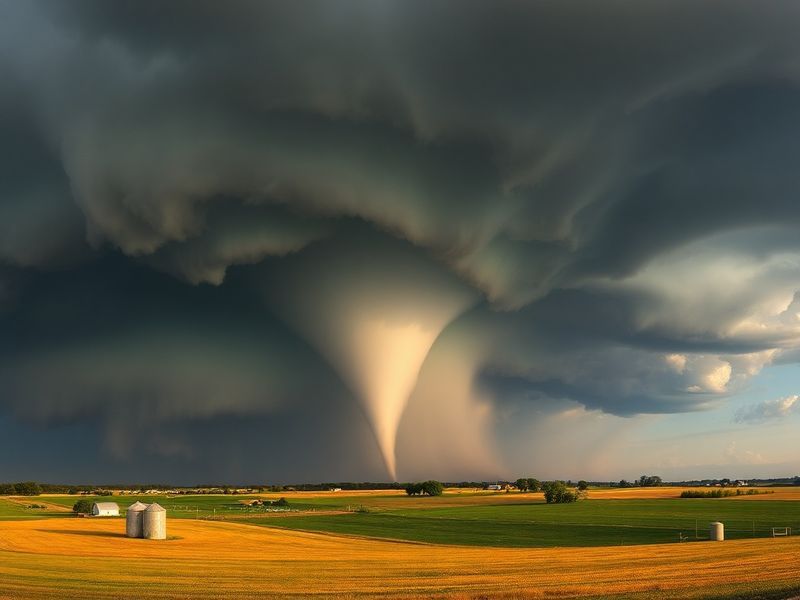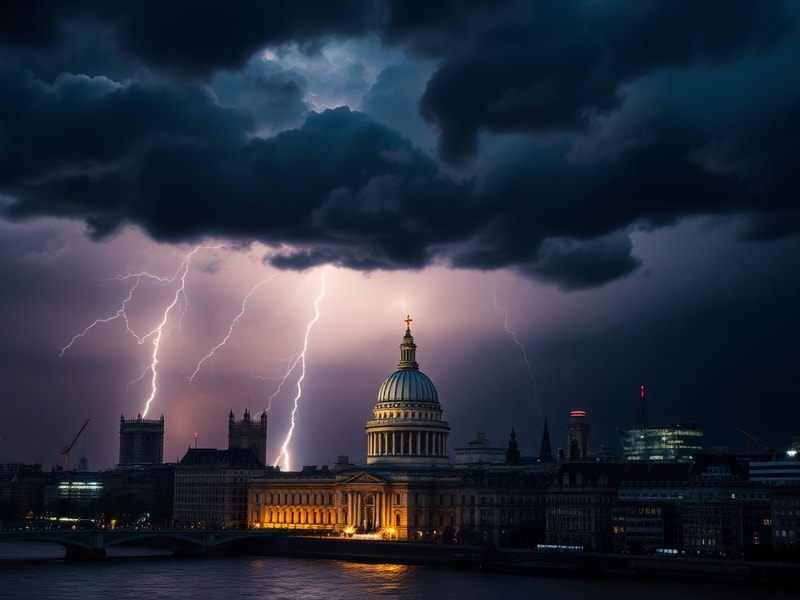
The skies over London erupted with raw power on Tuesday afternoon, as a ferocious thunderstorm rolled in from the southwest, bringing torrential downpours, hail the size of peas, and lightning that split the heavens. The Met Office issued a yellow warning for thunder and lightning, urging residents to expect sudden, intense bursts of rain that could lead to localized flooding. By 4 p.m., Tube station escalators had become waterfalls, buses were gridlocked in knee-deep water, and commuters huddled under shop awnings, watching the city’s rhythm grind to a halt.
How London’s Weather Reflects Its Global Identity
London’s weather is not just a local quirk; it’s a global emblem of the city’s resilience and unpredictability. In an era where climate change is reshaping weather patterns worldwide, London’s thunderstorms serve as a microcosm of broader environmental shifts. The city has always been a melting pot of cultures, ideas, and now, weather phenomena. This storm was no exception—it disrupted the daily lives of millions, yet also became a shared experience, uniting strangers in grocery aisles and bus stops, all united by the shared inconvenience of nature’s outburst.
From a global perspective, London’s weather mirrors the challenges faced by other major cities. Cities like New York, Mumbai, and Jakarta have also seen an uptick in extreme weather events, from hurricanes to monsoons. These storms are not isolated incidents but part of a larger pattern of climate volatility. The thunderstorm over London was a reminder that even one of the world’s most prepared cities is not immune to the whims of nature.
Cultural Reactions: From Memes to Museum Closures
The storm didn’t just drench London; it saturated its cultural fabric. Social media erupted with memes—some humorous, others eerily poetic. A viral tweet showed a photo of the Thames Barrier, its massive steel gates closed, with the caption: “London’s way of saying, ‘Not today, climate change.’” Meanwhile, the British Museum, one of the world’s most visited institutions, announced a temporary closure due to flooding risks, a rare disruption for an institution that prides itself on being open to all.
Cultural institutions aren’t the only ones affected. The storm disrupted outdoor events across the city, from Wimbledon qualifiers to open-air theatre performances. Even the city’s street food markets, like Borough Market, scrambled to protect their produce and patrons. The storm became a lens through which Londoners viewed their own adaptability. In a city where rain is as much a part of the identity as Big Ben or red buses, this storm was a reminder that even the most familiar elements can turn unpredictable.
For tourists, the storm was an unexpected adventure. Many sheltered in pubs, sipping pints while watching the storm rage outside. Others braved the downpour to capture photos of the city’s skyline, now shrouded in a moody, cinematic haze. The storm added a layer of drama to London’s image, reinforcing its reputation as a city of contrasts—where history and modernity collide, and where weather can turn a routine Tuesday into a scene straight out of a Dickens novel.
The Science Behind the Storm
So what caused this sudden burst of atmospheric fury? Meteorologists point to a combination of factors. A low-pressure system moving in from the Atlantic collided with warm, moist air lingering over southern England. This clash created the perfect conditions for thunderstorms, with the added twist of hail—a relatively rare phenomenon in London but increasingly common as temperatures rise. The Met Office noted that the storm was part of a larger pattern of convective activity, where warm air rises rapidly, condensing into towering cumulonimbus clouds that unleash their fury in minutes.
Climate scientists warn that such storms could become more frequent as global temperatures continue to climb. The UK’s average temperature has risen by about 1°C since the pre-industrial era, and this extra heat provides more energy for storms to draw from. While individual weather events can’t be directly attributed to climate change, the increasing intensity of storms like Tuesday’s aligns with predictions made by climate models. London’s infrastructure, much of which was built in an era of milder weather, is now being tested in ways its architects never imagined.
Transportation systems were among the hardest hit. The London Underground, already prone to delays, saw water seep into tunnels and stations, forcing closures and evacuations. Buses struggled on waterlogged roads, and even the city’s bike-sharing scheme, Santander Cycles, reported a surge in demand as commuters sought alternatives. The storm highlighted the vulnerabilities in London’s aging infrastructure, a topic that has sparked debates about the need for modernization.
Lessons from London’s Storm: A Call for Preparedness
As the storm subsided and the skies cleared, Londoners were left with more than just wet shoes and soggy newspapers. They were left with a question: How can a city of nearly 9 million people better prepare for the next inevitable storm? The answer lies in a combination of short-term fixes and long-term planning.
For starters, the city could invest in better drainage systems to prevent flooding, especially in low-lying areas like parts of South London and the Docklands. The UK government has already pledged £5.2 billion for flood defense schemes by 2027, but critics argue that more needs to be done to accelerate these projects. Additionally, public awareness campaigns could educate residents on how to stay safe during extreme weather, from avoiding flooded underpasses to knowing the signs of a lightning strike.
London’s response to the storm also revealed the importance of community. Neighbors checked on elderly residents, volunteers helped clear debris from sidewalks, and local businesses offered free umbrellas to stranded commuters. In a city often criticized for its anonymity, the storm brought people together in unexpected ways. It was a reminder that resilience isn’t just about infrastructure—it’s about people.
As the world grapples with the realities of climate change, London’s storm serves as a case study for other cities. The challenges faced by London—from flooded transport systems to disrupted cultural events—are not unique. They are a preview of what’s to come for urban centers worldwide. The question now is whether cities will rise to the occasion, not just to weather the storms, but to build a future where they are less destructive.
For those interested in how extreme weather impacts urban life, Science offers deeper insights into the intersection of climate and society. Meanwhile, Travel enthusiasts can explore how cities around the world are adapting to similar challenges, from Venice’s battle with rising tides to Miami’s fight against hurricanes.