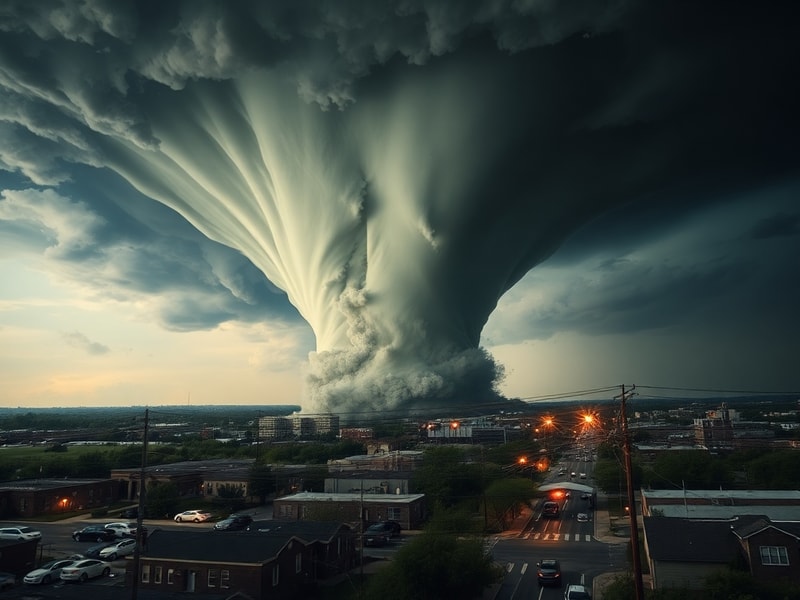
The UK’s relationship with storms is one of dramatic contrasts. Between late autumn and early spring, the country braces for weather systems that can reshape coastlines, flood communities, and disrupt daily life in ways both visible and hidden. Recent years have seen an increase in the frequency and intensity of these events, prompting questions about the role of climate change and the resilience of national infrastructure.
How UK Storms Develop and Why They Intensify
Storms in the UK typically form when cold polar air collides with warm tropical air, creating areas of low pressure that draw in moisture and energy from the Atlantic. This collision zone often sits directly over the British Isles, especially during winter months. The Met Office classifies these systems by their wind speeds and potential impact: yellow, amber, and red warnings signal escalating severity.
Meteorologists point to several key factors that influence storm strength. Sea surface temperatures in the North Atlantic play a crucial role, as warmer waters provide more energy for developing storms. Atmospheric pressure gradients also tighten when high-pressure systems block low-pressure systems from moving eastward, causing them to stall and intensify over the UK.
In February 2022, Storm Eunice brought record-breaking gusts of 122 mph across parts of Wales and southern England. The storm’s rapid deepening—where central pressure dropped by 20 millibars in just 12 hours—caught even seasoned forecasters off guard. Such explosive cyclogenesis, known as a “bomb cyclone,” is becoming more common, according to a 2023 study published in Weather and Climate Extremes.
Tracking the Life Cycle of a UK Storm
Each storm follows a predictable life cycle that can span several days. It begins with an initial disturbance over the ocean, often visible on satellite imagery as a cluster of clouds. Within 24 to 48 hours, a low-pressure system forms and begins to organize. As it approaches the UK, the storm’s warm and cold fronts interact, creating bands of heavy rain, sleet, or snow.
Wind speeds typically peak just ahead of the cold front, where pressure differences are greatest. The storm’s center may pass directly over the country or skirt along the coast, but the heaviest impacts often occur in the warm sector—the area between the warm and cold fronts—where moisture-laden air rises rapidly, leading to intense precipitation.
The storm’s final stage sees it either dissipate over land or merge with another system. In some cases, remnants of a storm can re-energize over the North Sea, bringing a second wave of disruption to eastern counties.
Record-Breaking Storms and Their Costs
The past decade has seen some of the most costly and disruptive storms in UK history. Storm Ciara in February 2020 caused an estimated £1.6 billion in damages across England and Wales, according to the Association of British Insurers. Over 500,000 homes lost power, and transport networks from the Midlands to Scotland ground to a halt. The storm also set a new record for rainfall in a single day at several monitoring stations in northern England.
Storm Arwen in November 2021 was particularly notorious for its unpredictability. While its wind speeds were not exceptionally high, the storm brought hurricane-force gusts to exposed coastal areas and caused widespread structural damage. The Met Office later attributed the storm’s unusual behavior to a phenomenon called “sting jet,” a narrow band of rapidly descending cold air that accelerates surface winds to damaging levels.
In January 2024, Storm Isha delivered another reminder of nature’s power. It brought gusts up to 90 mph to parts of Scotland and northern England, disrupting rail services and causing coastal flooding. The Scottish Environment Protection Agency issued multiple flood warnings, highlighting the vulnerability of communities along the Solway Firth and Firth of Clyde.
Insurance, Infrastructure, and Economic Ripples
The financial toll of these storms extends beyond immediate repairs. The UK insurance industry has paid out over £5 billion in claims since 2020, with the largest payouts going toward structural damage, vehicle repairs, and business interruption. Flood Re, the UK’s flood risk pooling scheme, has seen a 30% increase in claims in the last five years, placing pressure on the reinsurance market.
Transport networks are particularly exposed. Network Rail reported that Storm Arwen alone caused £20 million in damage to tracks, signals, and overhead lines. The cost of reinforcing embankments and installing better drainage systems has led to calls for a national resilience fund, with some MPs advocating for a £1 billion upgrade plan focused on the most at-risk lines.
Meanwhile, the energy sector faces growing challenges. High winds and flooding can topple power lines and damage substations. In 2023, over 1.2 million customers lost power during storms, according to Ofgem. The regulator has since pushed for greater investment in underground cabling and smart grid technology, especially in rural areas where overhead lines are more exposed.
Climate Change and the Future of UK Storms
Scientists are increasingly confident that human-induced climate change is altering the behavior of UK storms. Warmer air holds more moisture, which can intensify rainfall and snowfall during storm events. A 2022 report from the UK Climate Projections (UKCP) team found that winter rainfall could increase by up to 35% by 2080, with more frequent occurrences of heavy downpours.
Wind patterns are also shifting. The North Atlantic jet stream, which steers many storms toward the UK, has become more variable in recent decades. Some research suggests it may be weakening or becoming more wavy, leading to storms lingering longer over the country. This could explain why some recent systems have brought prolonged periods of rain and gusty winds, rather than quick-moving squalls.
The Met Office’s latest climate projections indicate that the frequency of extreme wind events may not increase significantly, but their intensity could rise. This means fewer storms overall, but more of them reaching the upper end of the scale—bringing winds above 80 mph and rainfall exceeding 50 mm in a single day.
Adapting to a Stormier Future
Local authorities and emergency services are revising their response strategies. In coastal towns like Whitby and Skegness, councils have invested in flood barriers and real-time monitoring systems. The Environment Agency has prioritized schemes such as the £100 million Towyn and Kinmel Bay flood defense project in Wales, designed to protect 1,200 homes.
Homeowners are also adapting. The use of flood-resistant building materials, raised electrical sockets, and water-resistant plaster has become more widespread. Insurers now offer discounts for properties that meet resilience standards, such as having flood doors or sump pumps installed.
Technology is playing a growing role in early warning and response. The Met Office’s Hazard Impact Model now integrates real-time data from traffic cameras, river gauges, and social media to refine its warnings. Meanwhile, community flood groups use WhatsApp chains and SMS alerts to coordinate evacuations and resource distribution.
Yet challenges remain. Funding for resilience projects often lags behind need, and rural communities face longer recovery times due to limited access to contractors and materials. The National Infrastructure Commission has called for a national storm resilience strategy, arguing that piecemeal approaches are no longer sufficient.
How to Stay Safe During a UK Storm
Preparation is key. The Met Office recommends securing loose items such as garden furniture, trampolines, and bins before a storm warning is issued. Windows and doors should be checked for drafts and seals, and residents in flood-prone areas should keep sandbags or flood barriers on hand.
During a storm, avoid travel unless absolutely necessary. Fallen trees, downed power lines, and flooded roads pose serious risks. If driving is unavoidable, slow down and allow extra time for braking. Never attempt to cross a flooded road—just 30 cm of fast-moving water can knock a person off their feet.
Power outages can last for days after major storms. Keep an emergency kit ready, including torches, batteries, a portable charger, non-perishable food, and a first-aid kit. A battery-powered or wind-up radio ensures access to updates if mobile networks fail.
After the storm passes, be cautious when inspecting damage. Wear sturdy shoes and gloves, as sharp objects and contaminated floodwater may be present. Report downed power lines to your energy supplier immediately and avoid using electrical appliances that may have been water-damaged.
Resources and Support
Several organizations provide guidance and assistance during and after storms:
- Met Office: Offers real-time weather warnings and advice at www.metoffice.gov.uk.
- Environment Agency: Issues flood warnings and recovery support at flood-warning-information.service.gov.uk.
- National Flood Forum: A charity supporting flood-affected communities, with a helpline at 01299 403 055.
- British Red Cross: Provides emergency support and shelter information during severe weather.
For those in high-risk areas, signing up for local flood alerts via the Environment Agency’s website can provide life-saving advance notice.
Conclusion: Preparing for What’s Next
The UK’s storm season is no longer a seasonal inconvenience—it’s a recurring challenge that demands long-term planning. While the country cannot prevent storms from forming, it can reduce their impact through smarter infrastructure, stronger building codes, and community-based resilience programs.
What’s clear is that the storms of the future will likely be more intense, more unpredictable, and more costly. But with better data, improved forecasting, and proactive adaptation, the UK can face these challenges with greater confidence. Resilience, after all, is not just about weathering the storm—it’s about learning to live with it.